
There is a certain comfort in never having to think about where your next meal comes from or whether it is actually safe. It is a comfort that Cypriots have long enjoyed but one that has, in recent months, may have began to feel less certain.
The outbreak of the foot and mouth disease (FMD) has prompted the mass killing of animals. Water remains scarce, placing a burden on residents and the agricultural sector in particular, while prolonged heatwaves are adding another strain.
And while none of these would be a cause for alarm in themselves, they are harder to look past together, especially for an island that depends on imports to keep its food chain running, raising the question just how resilient and how safe the food is that we rely on here.
“Food safety in Cyprus is ensured through an integrated system of official controls, with clearly defined responsibilities assigned to the competent authorities,” president of the Cyprus Food Safety Council (FSC) and acting permanent secretary of the health ministry, Elisavet Constantinou, told the Cyprus Mail.
In Cyprus, the FSC acts as a coordination body for the multiannual control plans on food, the implementation of food crisis plans and the handling of food safety issues.
It carries out risk assessment and provides advice on risk management, with the authorities involved including the public health services, the ministry of health, the ministry of agriculture and the veterinary services.
They carry out the monitoring, but the primary responsibility for food safety, however, lies with the private sector.
But pinning down the greatest challenges to food safety is not so simple.
“Among the main challenges are globalisation of trade, the increased movement of food products and live animals, emerging food safety hazards, climate change, antimicrobial resistance, food fraud and misleading labelling,” says Constantinou.
She emphasises that food safety could not be attributed to a single challenge, adding that Cyprus was facing additional burdens due to the high dependence on imports and high temperatures, requiring the strict maintenance of an unbroken food chain.
Yet, other challenges exist.
“Climate change and water scarcity may also affect food production practices, increasing the need for sustainable agricultural practices,” she said.
Both concerns are far from theoretical for Cyprus, having faced ongoing water scarcity and, most recently, an outbreak of FMD.
FMD, water scarcity and climate change
Cyprus has been facing persistent and reoccurring water scarcity in recent years, and the government recently announcing investments amounting to €168 million to tackle water shortages.
Acknowledging the issue, Constantinou says continuous droughts have placed growing pressure on Cyprus’ water resources. She stresses, however, that no food safety incidents have so far been directly linked to water scarcity.
The second pressing challenge Cyprus has battled in recent months is FMD, with around 80,000 animals culled since the first outbreak was reported in February.
“From a food safety perspective, FMD does not pose a risk to consumers, as it is not considered a foodborne disease,” Constantinou said.
She emphasises that although harmless for humans, local and international outbreaks require the immediate implementation of control and preventive measures to protect the island’s livestock population, safeguard animal health and regain the country’s disease-free status.
President of the butchers’ association, Costas Livadiotis, echoed Constantinou’s reassurance.
“The meat is safe. Even if an animal is infected with FMD, it would not harm humans,” he said.
Livadiotis said that the FMD outbreak has caused the loss of roughly 10 per cent of local meat production.
However, he stressed that due to a decline in tourist numbers and the import of certain products, such as pork steaks from Poland, the local food chain is facing no real threat.
“There really is no issue.”
Meanwhile, there are several other non-Cyprus specific issues such as hormone use in animals that require consistent monitoring.
These, again, fall under the responsibility of the veterinary services as the competent authority for the official controls on food of animal origin in cooperating with the state general laboratory which carries out the relevant chemical analyses.
“The controls are carried out in accordance with the relevant EU Regulations (EU) 2022/1644 and (EU) 2022/1646,” Constantinou said.
The sampling is carried out according to an established control plan, which takes into account the type of animal or food product, the substances to be monitored, as well as potential risks associated with them.
A similar procedure applies to food of plant origin, where official analyse include controls for a range of chemical substances.
“Depending on the type of food and the potential risks associated with it, controls may include, among others, pesticide residues, organic contaminants, inorganic contaminants, and other chemical substances where specific regulatory requirements or food safety risks have been identified,” Constantinou explained.
How safe are Cypriot products?
“Consumers can have a high level of confidence in Cypriot food products,” Constantinou said.
According to Constantinou, local Cypriot products are monitored and produced within the framework of the European Union food safety legislation, which she said provides for a complex system of protection based on scientific risk assessment and official controls.
She said monitoring process varies depending on whether the produce is of animal or plant origin, with different authorities overseeing production and carrying out the relevant checks.
“Competent authorities carry out controls throughout the food chain, including inspections at farms, slaughterhouses, food establishments and retail premises, as well as sampling programmes and laboratory analyses.”
Responsibility for the controlling of plant-derived food and animal feed lies within the department of agriculture, which is part of the agricultural ministry.
Here, controls include sampling before harvest to ensure the correct use of plant protection products and compliance with legal requirements.
Food of animal origin, meanwhile, undergoes controls by the veterinary services, which are also under the ministry of agriculture.
These include programmes to monitor animal disease, residues of veterinary medicines and other potential hazards.
A third authority, the public health services under the health ministry, carries out official controls covering the rest of the food chain for food of non-animal origin from the post-primary production stage to the final consumer.
“Where non-compliances are identified, appropriate corrective measures are taken, including product withdrawal or recall, administrative measures and other enforcement actions where necessary,” said Constantinou.
Controls of imported goods
But local production is only part of the picture: A significant proportion of food items on Cypriot shelves arrives from abroad.
According to the Cyprus Statistical Service (Cystat), imports for foods and beverages totalled €141 million in March 2026 alone.
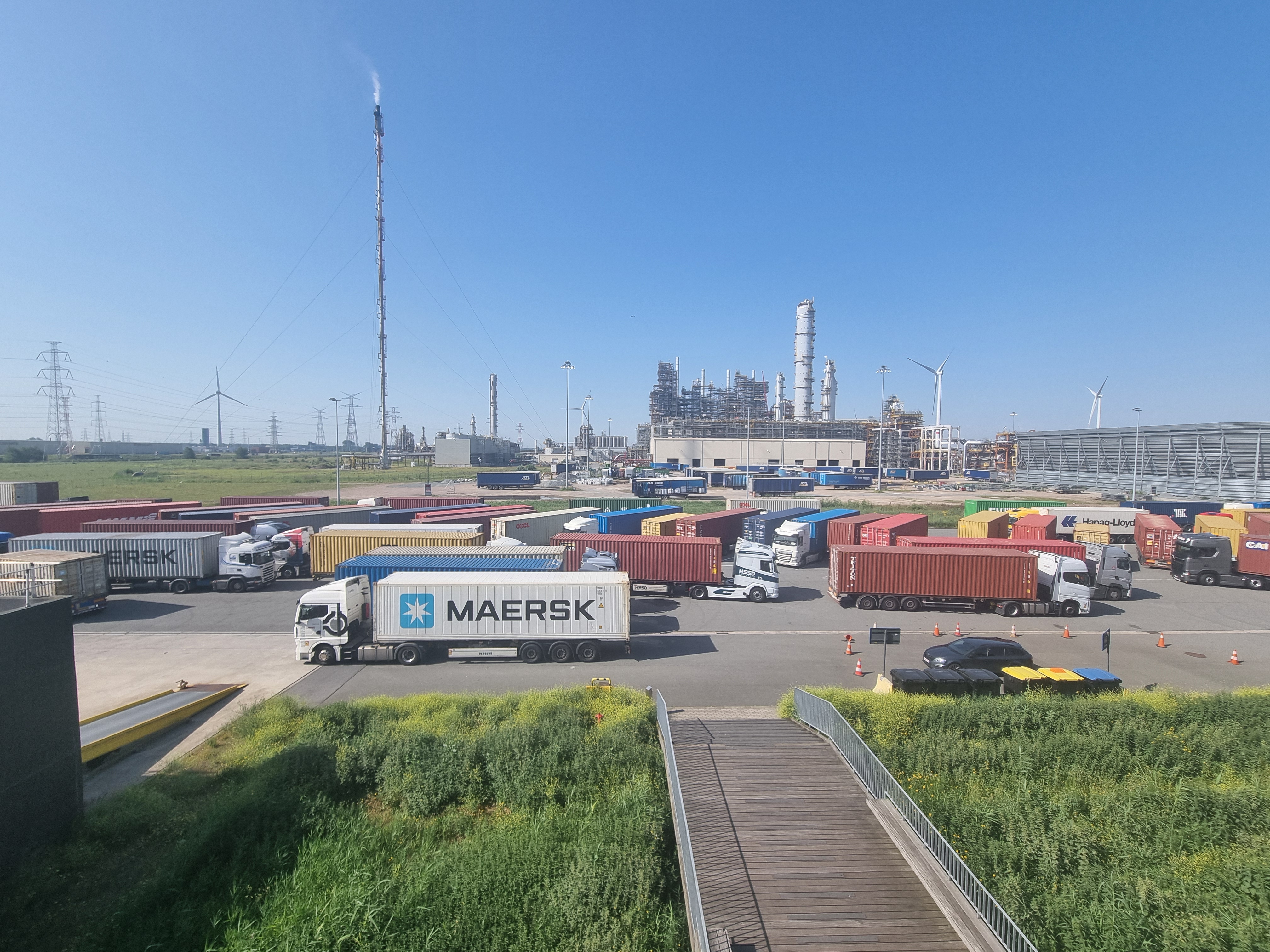
“Food imports entering Cyprus [from third countries] are subject to official controls in accordance with EU legislation,” Constantinou said.
Here, too, checks on products are carried out based on their classification as plant-derived products, products of animal origin or even live animals.
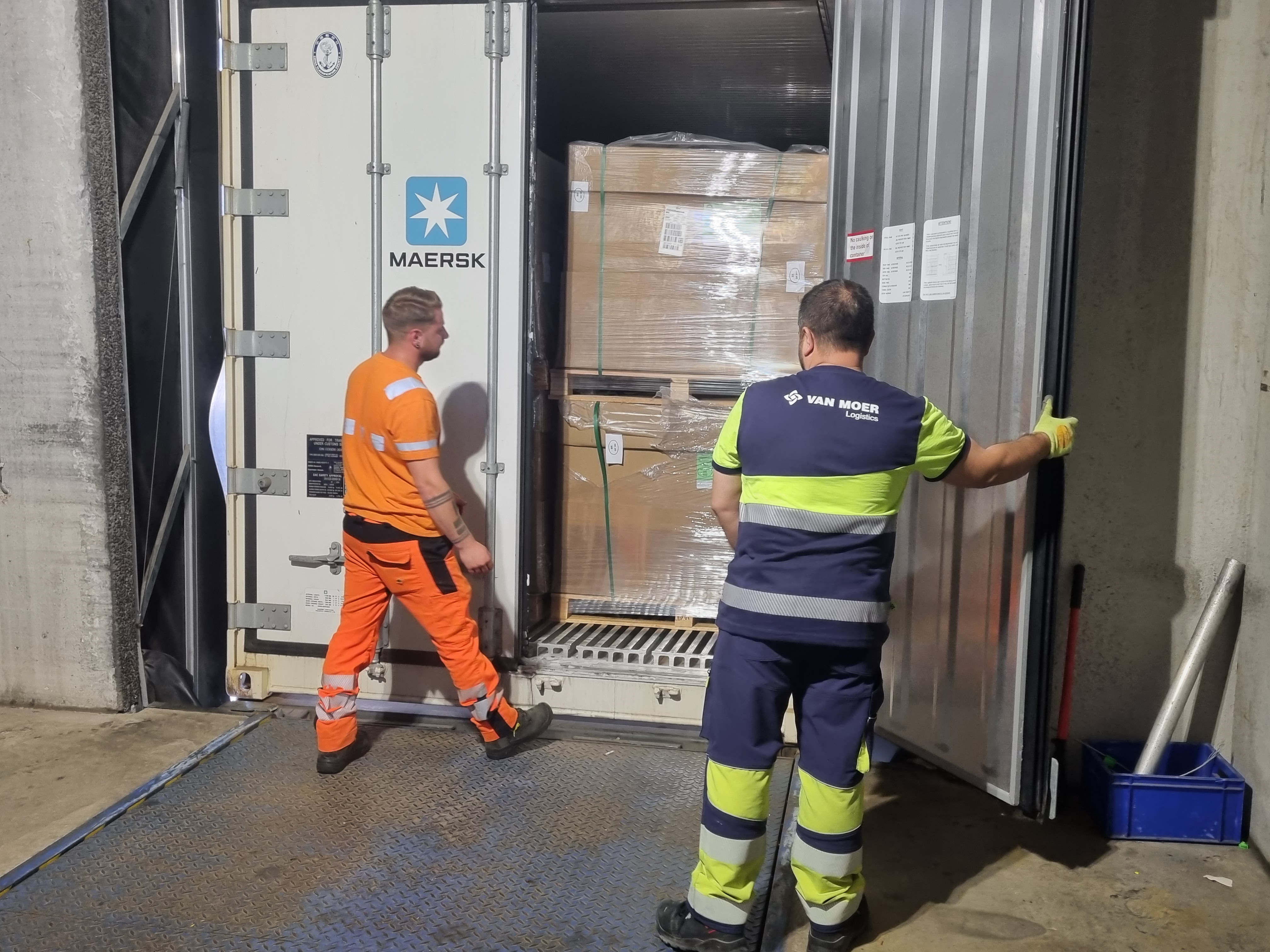
The latter two are being checked by the veterinary services at two designated border control posts – one in Larnaca and one in Limassol. The controls include documentary checks, identity checks and sometimes physical inspections or laboratory testing.
“Official controls also apply to food products originating from other EU member states,” said Constantinou.
She added that while such products are not subject to import controls at border entry points, they still remain subject to official controls in Cyprus under the relevant EU legislation.
“These controls are carried out on a risk-based basis at the premises and storage facilities of food business operators and may include documentary checks, identity/traceability checks, physical checks, sampling and laboratory testing, as appropriate,” she explains.
The fact that food safety rarely makes it to the headlines is, in many ways, its greatest achievement. Consumers rarely think twice about the foods that land on their plates or in local supermarket shelves – and that’s precisely the point.
It’s a job well done because we never actually notice that it is being done.





Click here to change your cookie preferences