
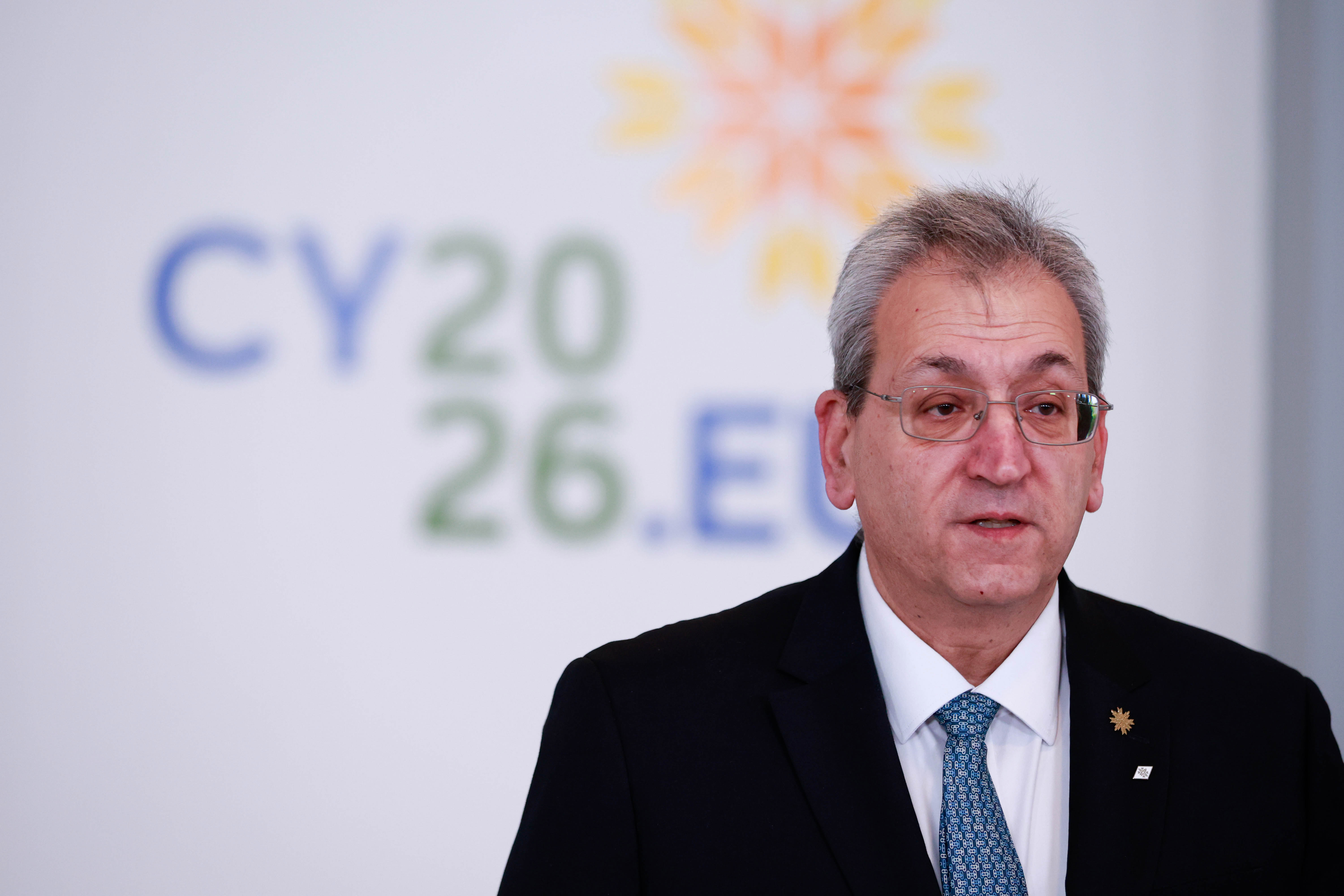
Reform of the pension system will cost the state more than €800 million overall over a six-year period, the labour minister said on Monday as the government continued talks with employers and trade unions.
Marinos Mousiouttas was speaking to journalists after the latest meeting of the labour advisory board.
Referring to data previously released by the finance ministry, Mousiouttas said the “total additional burden [from pension reform] is estimated at €486 million for the state, plus €334 million for the Social Insurance Fund, therefore €820 million total over six years.”
It’s understood the €334 million number concerns the amount the state will return to the social insurance fund over this time.
For decades, the state has dipped into the social insurance fund for financing, paying it 2.15 per cent interest for the money it borrows. The total amount owed to the fund stands at around €12 billion.
As part of the coming overhaul of the pension system, the state will stop borrowing from the social insurance fund and gradually repay its debt to it in instalments.
Also on Monday, Mousiouttas clarified that the draft government bill – now being reviewed by trade unions and employers – concerns the so-called ‘first pillar’ of the reform.
The first pillar concerns state pensions; the second concerns provident funds, as well as the cash reserves of the social insurance fund and its investment policy.
Pillar zero, as it is called, concerns pensions for low-income earners.
The bill regarding the first pillar will be tabled to parliament by the end of the month, Mousiouttas said.
However, since the Thursday after the next falls on October 1, a public holiday, the House plenary will not convene – meaning the bill might instead be tabled at the next session, on October 8.
The government is keen to roll out the first phase of the reform – pillars zero and one – at the turn of the year.
“There is one legislation for social pensions, and a separate pension for provident funds,” Mousiouttas said.
In Cyprus, provident funds are voluntary or industry-wide occupational retirement plans that build capital for employees through combined employer and employee contributions.
Although employers’ organisations want to keep the status quo, where provident funds are determined via collective agreements from time to time, the government wants to regulate them.
The only question, said the minister, is whether going forward provident funds would retain their voluntary character. A single paragraph in the relevant bill would address that issue, he said.
Another key disagreement in approach remains: trade unions and employers want a deal on the second pillar of reform before the first pillar is voted into law, whereas the government thinks otherwise.
Asked about an increase in retirement age, Mousiouttas said the government’s position is well known: “We have talked about a potential, if needed, increase in contributions, so that there is no need to either cut pension payouts or raise the retirement age.”
He said that every five years the government carries out studies on life expectancy, and if such findings point to a need to raise retirement age, then it will be discussed.
But this, he stressed, is independent of the pension reform.
The last major reform on the pension system took place in 1980, with additional changes introduced during 2012-2013 as part of Cyprus’ bailout agreement with international lenders.




Click here to change your cookie preferences