
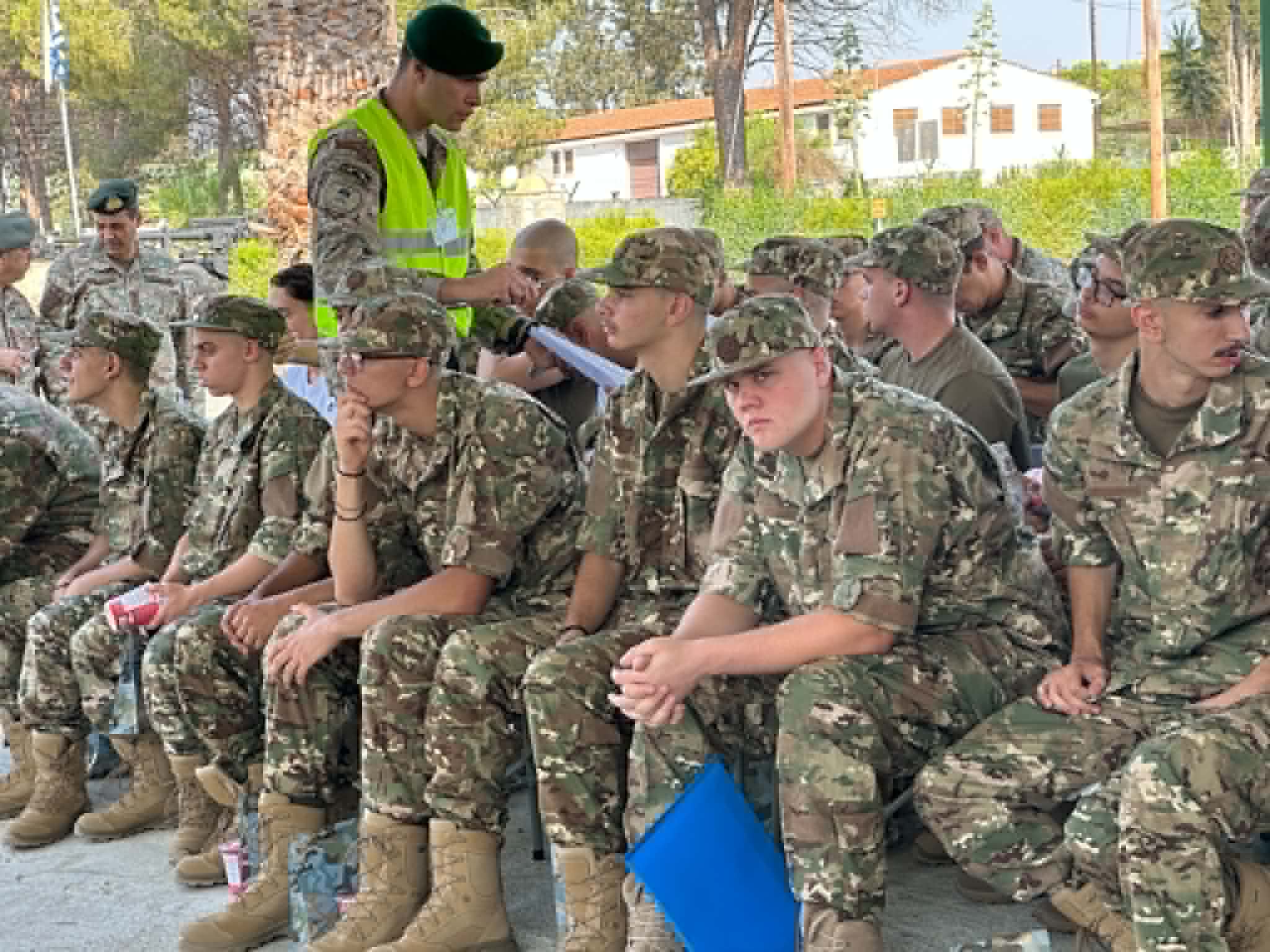
Food served to National Guard soldiers was found at temperatures well below safety limits, while excessive ordering, food waste and low satisfaction among conscripts are among a series of weaknesses identified by the Audit Office in a report published on Wednesday.
More than €9.5 million was spent on feeding National Guard personnel in 2025, according to the report, which examined whether soldiers were receiving adequate and safe food and whether public money was being properly managed.
The audit, which included inspections at camps and outposts and questionnaires completed by 1,106 soldiers, concluded that the system generally covers basic nutritional needs, but that arrangements put in place “are not satisfactorily implemented in practice”.
Among the most serious findings were concerns over the temperature of pre-prepared meals.
During a surprise inspection on January 22, 2026, delivery records showed food had been received at 65C, above the contractual minimum of 60C.
However, subsequent measurements by auditors using a certified thermometer found the hot food was between 15C and 25C below the minimum permitted temperature.
The Audit Office said the temperatures fell within the 5C to 58C “danger zone”, where microorganisms can multiply rapidly. Although auditors considered the meal itself satisfactory when they tasted it, they said the low temperature, particularly of the side dishes, negatively affected its taste.
Weaknesses were also identified in the checks carried out when food was delivered. During another inspection, a thermometer used by the contractor did not correspond with the code recorded on the delivery document and was not properly certified.
An electronic scale used to check portions had last been inspected in 2022 and was subsequently found unsuitable for the purpose.
Soldiers report dislike of meal options
The report also pointed to substantial over-ordering and waste.
At two outposts, the number of individual meals ordered exceeded the number of soldiers present by 100 per cent and 57 per cent respectively. A broader examination of orders found meals for outposts exceeded the eligible daily strength by as much as 42 per cent.
The Audit Office estimated that better use of contractual provisions allowing quantities to be reduced where food is routinely left uneaten could generate savings of around €10,000 per week.
Soldiers themselves also reported widespread dissatisfaction with parts of the menu.
Some 73 per cent said they avoided or did not eat particular dishes, citing issues including quality, taste and preparation, while 69 per cent said they sometimes or daily turned to the in camp shop to meet their food needs.
Another 41 per cent said they ate food from outside the camp, despite deliveries being prohibited, while 74 per cent preferred not to eat the unit meal before going out on leave.
Overall satisfaction ranged between 44.5 and 61 per cent, with drinks receiving the lowest score at 44.5 per cent and breakfast 48.9 per cent. Unit kitchens generally performed slightly better than ready-made and frozen meals.
Special diets and energy requirements
Only around 20 per cent of soldiers following a special diet said their needs were adequately or fully met.
The report also found that soldiers’ daily energy requirements had not been scientifically determined based on military activity, while meals had not been analysed for their carbohydrate, fat and protein content.
Around one in four soldiers surveyed said they had experienced mild health problems, mainly gastrointestinal, which they attributed to the food provided.
The Audit Office described the finding as a serious indicator of soldiers’ perceptions of food quality and hygiene, though cleanliness in dining areas was rated positively.
Complaints appeared to fare little better. Around one in five soldiers said they had complained about the food, but only 18 per cent considered their complaint to have been fully or partly resolved, while 75 per cent said it had not been resolved.
Staffing was another issue. Although 21 professional cooks are employed by the National Guard, four of its 17 active unit kitchens, or 24 per cent, operate without one, leaving cooking to conscripts assigned the relevant duties.
The Audit Office also raised environmental concerns. Around 720,000 individually packaged meals had been distributed between January 2025 and the end of the audit in March 2026, but inspectors found that single-use packaging was often being thrown into general waste rather than recycled.
Despite the shortcomings, the report acknowledged improvements in recent years, including generally positive assessments of cleanliness and hygiene and greater flexibility following the introduction of ready-made meals.





Click here to change your cookie preferences