
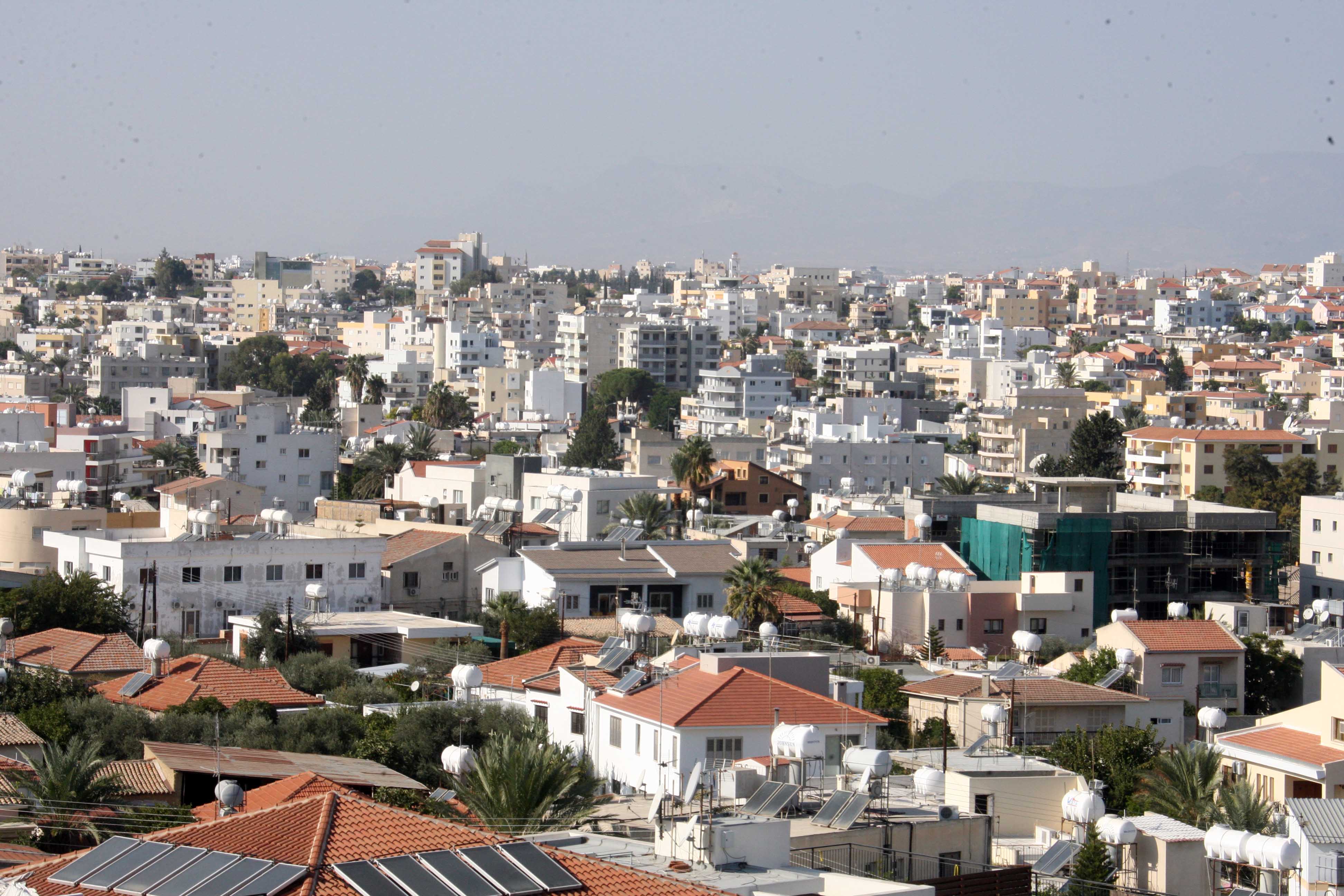
In recent years, Cyprus set an ambitious goal and made significant progress towards it. It created a more attractive environment for international companies and professionals, while also shaping conditions that gave Cypriots abroad more reasons and more opportunities to return and work in their own country.
Tax incentives, simplified procedures and a more competitive business environment all contributed to attracting people and businesses, creating new jobs and diversifying the economy. That success, however, brings a new challenge with it: all these people need somewhere to live.
And when a city’s economy and population — as in Limassol — grow faster than its housing supply, housing stops being just a social question. It becomes part of what keeps that growth going.
What the figures show
The European Commission’s 2026 report on Cyprus captures the picture precisely. Rents are rising faster than property prices, a development attributed to two factors working together: strong growth in demand for housing, and the limited supply of homes available for long-term rent (European Commission, Housing Annex 2026).
What is revealing is where the pressure concentrates. In Limassol, Paphos and Larnaca, house prices sit roughly 39 per cent above the national average. In Limassol in particular, the share of income going towards rent is well above the national figure.
At national level, households spent 22 per cent of their income on rent in 2025, broadly in line with the European average. Cyprus as a whole, in other words, does not show a general affordability problem in the rental market. That is perhaps the most encouraging finding in the report.
The issue is not spread across the country but concentrated in specific cities and in a specific type of housing. And concentrated problems are solved with targeted measures, not by overhauling the whole system.
The next step in a successful strategy
Cyprus designed the framework that would bring in businesses and talent with considerable care: the tax regime, the incentives, the procedures, the way the country presents itself abroad. The results speak for themselves.
The next step is to give the same care to where the people arriving will live, and that is something which can be planned just as methodically.
The gap in housing supply in Cyprus is estimated at around 39,000 units. This is not only a question of quantity, though, but also of the type of housing on offer.
Renting in Cyprus rests almost entirely on individual owners with one or two apartments each. There is no organised supply of homes built from the start for long-term living. The report itself notes that homes owned by the state or by non-profit bodies and rented below market rates are effectively non-existent here, whereas across Europe they account on average for roughly 1 home in 12.
The practical result is familiar to anyone who has tried to move house. A company bringing fifty employees to Limassol has nowhere to house them. Fifty people, in some cases whole families, each search separately, in a market that was never designed to absorb mobility on that scale, competing with local residents for the same few available properties.
Housing as part of economic policy
Attracting companies and talent is a development worth welcoming and building on. More businesses mean more jobs, more opportunities for young people starting their careers at home, and a steadier, less exposed economy.
Precisely because we want it to continue, the conditions that will support it need to be put in place. A country that can house the people it attracts is a country that keeps them.
This is where the Build-to-Rent model becomes practically useful: developments designed from the beginning for renting, under single management and with a long-term horizon. Three of its core features answer this particular problem directly.
First, location, since developments of this kind can be built close to employment and business centres. Second, the variety of homes available, as a single development can include both smaller apartments for people relocating on their own and larger ones for families with children. Third, stability, since it gives residents the option to stay in the same home for years, to organise their lives around it, and not to face the prospect of another move time and again.
Investment policy and housing policy have so far been treated as two separate matters. Two files, in two different offices.
In practice, though, they are two sides of the same question. As long as investment policy moves forward without being joined up with housing policy, its success will keep creating problems that housing policy is then called upon to deal with after the fact.





Click here to change your cookie preferences