
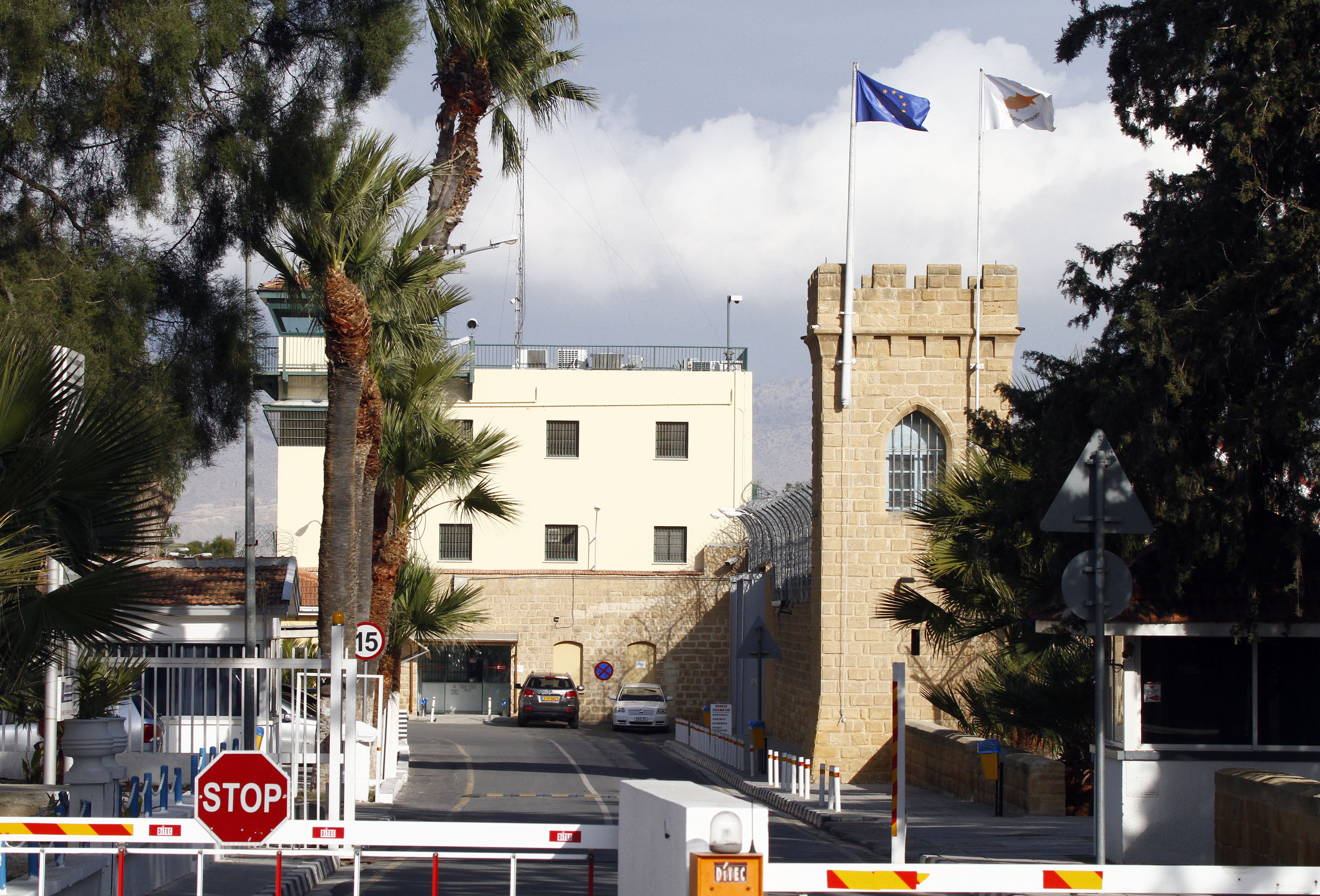
Prisoners at the central prisons are being forced to sleep on the floor due to overcrowding and inadequate facilities, administration commissioner Maria Stylianou Lottides told MPs on Wednesday.
Presenting her office’s annual report to the House institutions committee, Lottides said overcrowding had worsened detention conditions and increased the risk of inhuman or degrading treatment.
Building new prisons and using alternatives to detention, including electronic monitoring where permitted, were among the measures she cited that could alleviate the problem.
She said her office visits prisons approximately every fortnight to examine complaints about healthcare, food, living conditions and the treatment of inmates.
Conditions at police detention centres were also a concern, particularly at Lakatamia and Limassol, where infrastructure deficiencies included inadequate courtyard space.
Lottides also criticised delays in examining applications for social assistance, saying people in urgent need of financial support could not wait one or two years for decisions.
Applications for the minimum guaranteed income remained subject to significant delays despite measures to address them, while rejected applications lacked an effective review as they were examined by the same services.
The report showed that the office handled 4,655 complaints and investigations, including cases carried over from previous years, and completed the examination of 2,709.
A further 1,783 cases were resolved through intervention or guidance without a formal report, while 762 complaints fell outside the commissioner’s jurisdiction.
Public services complied with about 91 per cent of interventions that did not require a formal report.
Compliance stood at approximately 55 per cent for formal reports and investigations, while a further 21 per cent of cases were progressing towards compliance.
The largest share of complaints concerned the entry, residence and rights of foreign nationals, accounting for 21.1 per cent.
Land development accounted for 13.1 per cent, social benefits 10.9 per cent, and human rights and police matters 10.1 per cent.
Lottides said complaints had increased over the past eight years, reflecting both greater public awareness of the institution and the problems facing the public.
She also criticised some community authorities for failing to follow recommendations, saying some operated “like a state within a state”.
During the committee discussion, MPs questioned why the same administrative failings continued despite official interventions.
Alma MP Irene Charalambides called for legislation to make the commissioner’s decisions binding on the executive, arguing that lengthy court proceedings could diminish the value of favourable findings.
Lottides said the office’s role was primarily mediatory rather than judicial, but it could continue pressing public authorities for explanations and publish reports to encourage compliance.





Click here to change your cookie preferences