
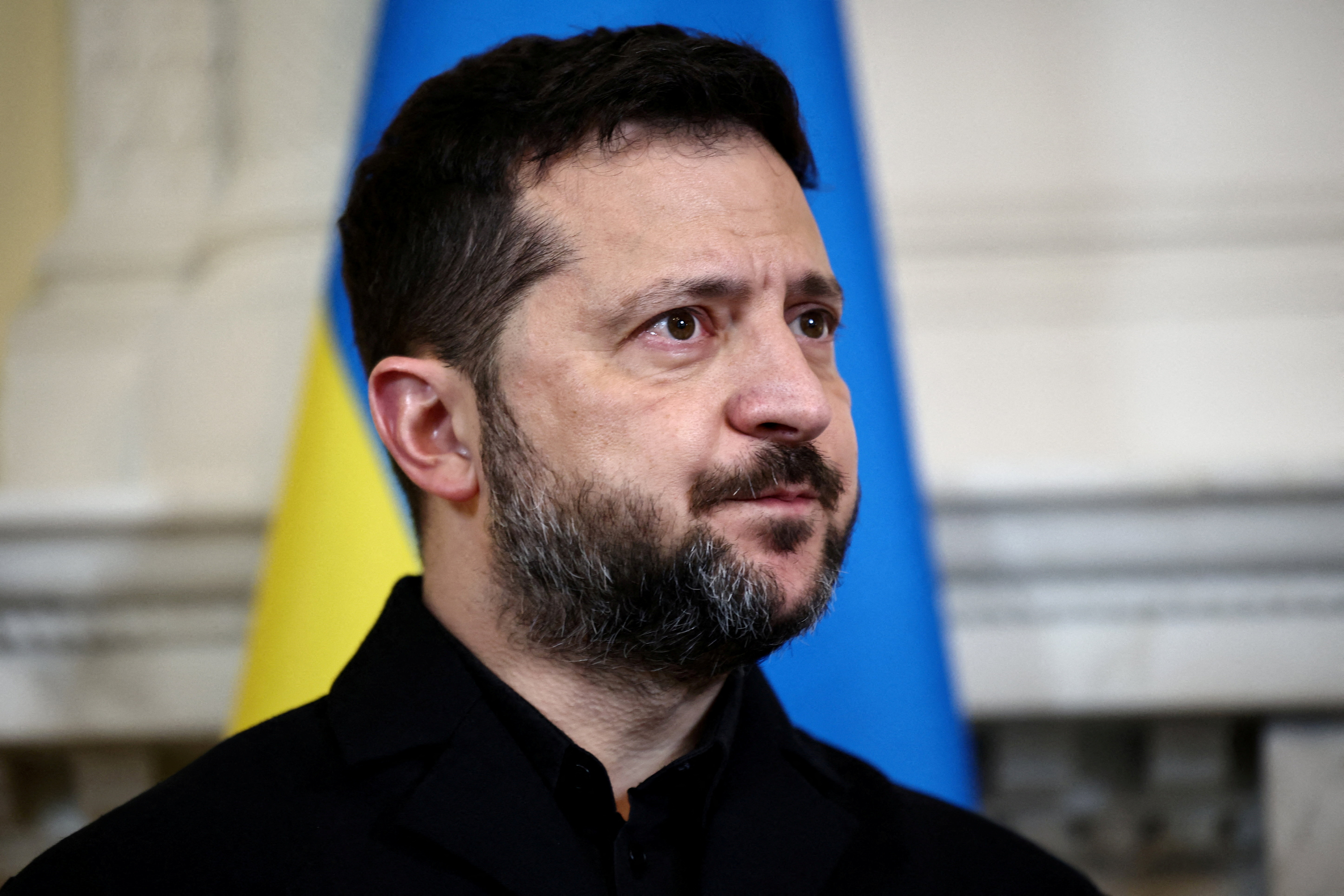
Zelenskiy said Ukraine would resume attacks on Russian oil refineries, accusing Washington of withholding military intelligence and disrupting communications.
Ukraine will resume strikes on Russian refineries, Ukrainian President Volodymyr Zelenskiy told the Financial Times in an interview published on Thursday.
“The block (on attacking refineries) is out. We’re done,” Zelenskiy told the newspaper.
He was critical of Washington’s eagerness to strike business deals with Moscow and US President Donald Trump’s apparent admiration for Russia’s Vladimir Putin, the FT report said.
Trump on Saturday called for Ukraine to replace Zelenskiy and railed against Ukraine’s attacks on Russian oil infrastructure, one day after announcing a diesel supply deal with Russia, aiming to ease pressure on fuel prices that have soared since the US-Israeli war with Iran began in February.
Ukraine ends pause on refinery strikes
Ukraine halted strikes on Russian oil refineries and its other energy infrastructure for two days following Trump’s announcement of an energy ceasefire, Zelenskiy said earlier this week on X.
Despite Ukraine’s pause, Zelenskiy told the FT his forces had been left without US early-warning alerts for incoming ballistic missiles, while Elon Musk’s Starlink satellite communications service had been slowed down across the country, hampering frontline operations and medium-range strikes against Russian military sites.
Ukrainian military officials were told by their US counterparts that “if you will not stop (the energy strikes), we will block intelligence”, although it was subsequently presented to Kyiv as a technical glitch, Zelenskiy said, dismissing the idea that failures of the Starlink satellite system might have been caused by a fault.
“It was not a technical problem, it was the will,” he told the FT.
Patriot missiles key to possible deal
Asked whether Ukraine would be open to halting energy strikes as a way of repairing relations with the White House, he told the newspaper he could only agree if in return he was given more US-made Patriot interceptors, calling it the “minimum” that would be acceptable.





Click here to change your cookie preferences