
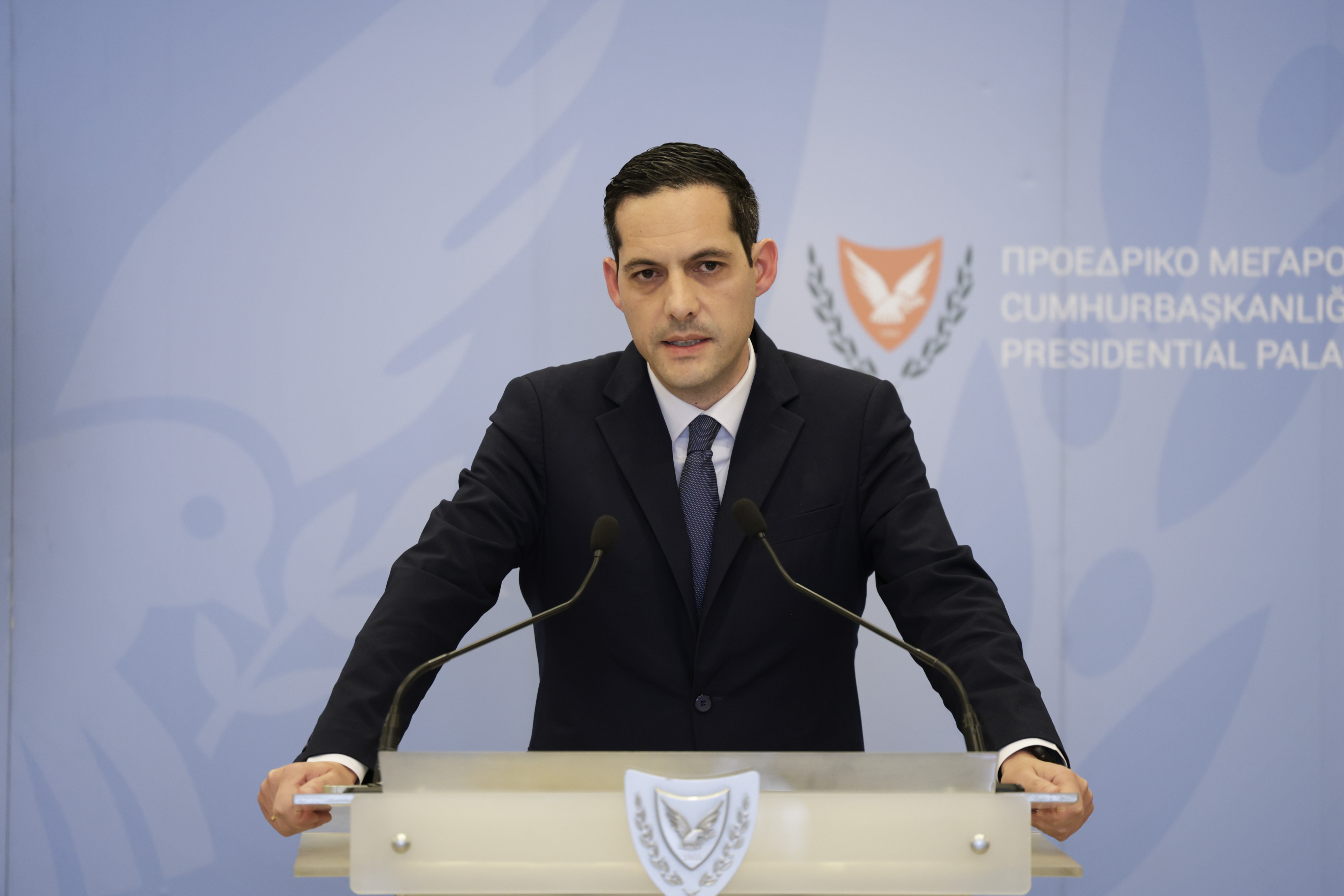
The Athens Polytechnic uprising carries “particular resonance” for Cyprus due to the events that succeeded it, government spokesman Konstantinos Letymbiotis said on Tuesday.
Letymbiotis described the uprising as “a defining moment in modern Greek history, synonymous with the struggle for freedom, democracy and human dignity”.
He said the students of November 1973 were a generation “that refused to compromise” and left a legacy that “remains as meaningful today as it was then”.
The uprising began on November 14, 1973, when students occupied the Athens Polytechnic in protest against the Greek junta since the colonels’ coup of April 1967.
The occupation grew into an open revolt against the regime of George Papadopoulos, who had begun a limited liberalisation under Prime Minister Spyros Markezinis.
In the early hours of November 17, the military sent a tank through the gates of the Polytechnic and troops and police stormed the campus.
An official count identified 24 dead, while the commonly cited toll is 40, including 16 unidentified victims, and more than 1,000 injured.
Martial law was reimposed, and on November 25 brigadier Demetrios Ioannides, head of the military police, overthrew Papadopoulos and Markezinis in a countercoup.
Ioannidis installed general Phaedon Gizikis as president and Adamantios Androutsopoulos as prime minister, and imposed draconian rule.
Following the Turkish invasion of Cyprus in July 1974, the junta in Athens collapsed within days, and civilian government returned under Konstantinos Karamanlis.





Click here to change your cookie preferences