
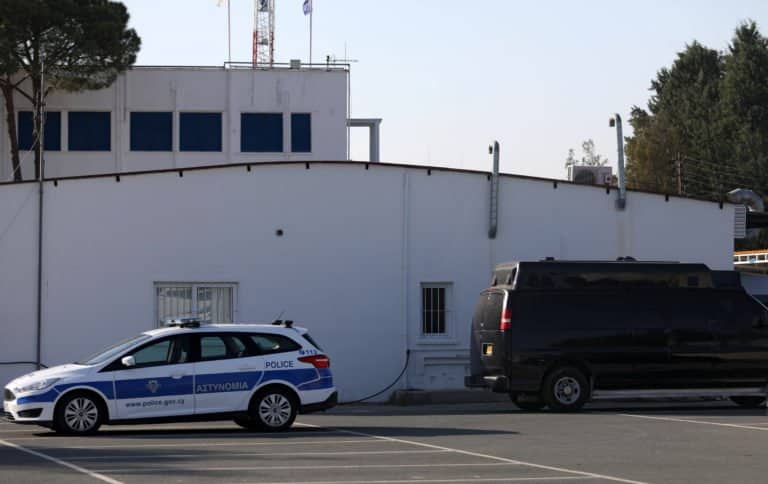
Tal Dilian, the Israeli national who in 2021 was cleared of all charges relating to the case of the ‘spy van’ in Larnaca, is among four people found guilty by a court in Greece in relation to illegal surveillance.
The Israeli entrepreneur and three others were handed lengthy jail sentences by a Greek court. In a scandal that shook Greece in 2022, surveillance software called Predator was used to target 87 people – among them government ministers, senior military officials and journalists.
The four who had marketed the software were found guilty by an Athens court of misdemeanours of violating the confidentiality of telephone communications and illegally accessing personal data and conversations.
The court sentenced the four to lengthy jail sentences, suspended pending appeal.
Although they each face 126 years, only eight would be typically served which is the upper limit for misdemeanours.
The case dates back to the summer of 2022, when the current head of Greek Socialist party Pasok, Nikos Androulakis – then an MEP – was informed by the European Parliament’s IT experts that he had received a malicious text message containing a link.
Predator spyware, marketed by the Athens-based Israeli company Intellexa, can get access to a device’s messages, camera, and microphone. Its use was illegal in Greece at that time but a new law passed in 2022 has since legalised state security use of surveillance software under strict conditions.
In the ‘spy van’ case in Cyprus, back in November 2021 the attorney-general’s office stayed the prosecution against Dilian and two other defendants.
Charges were not dropped against the fourth defendant – a company by the name of Ws WiSpear Systems Limited. Later, the company pleaded guilty to multiple counts of personal data violations, and was fined €76,000.
Cypriot police launched an investigation in November 2019 after Dilian, CEO of the company and an ex-intelligence officer, gave an interview to Forbes magazine essentially advertising his services, which included covert surveillance and eavesdropping.
The van, a converted GMC ambulance, was said to be loaded with gear capable of hacking smart phones and intercepting electronic communications within a one-kilometre radius.
The owners claimed the van had not been active on Cypriot territory apart from field tests and demonstration purposes using only company-owned devices and under the guidelines and acknowledgement of local authorities.





Click here to change your cookie preferences