
Brussels overhaul to align aviation state aid with green deal objectives
The European Commission this week launched a formal public consultation regarding a draft revision of the Guidelines on State aid to the air transport sector to reflect post-pandemic market realities.
The proposed framework will replace the 2014 standards, seeking to modernise how governments support airports and airlines while adhering to the European Green Deal and decarbonisation requirements.
Interested parties have been invited to submit their feedback on the draft by June 11, 2026, before the final rules are adopted alongside a new General Block Exemption Regulation (GBER) later this year.
Under the new rules, operating aid (which covers day-to-day costs like staffing and maintenance) will be restricted to airports with fewer than one million yearly passengers.
The commission assumes that airports exceeding this traffic volume should be self-sustaining, though a five-year transitional period is proposed for those between 500,000 and one million passengers to recover from recent energy and health crises.
Small hubs with fewer than 500,000 passengers will benefit from a block exemption, meaning they can receive support without prior notification to Brussels, as their impact on EU competition is deemed minimal.
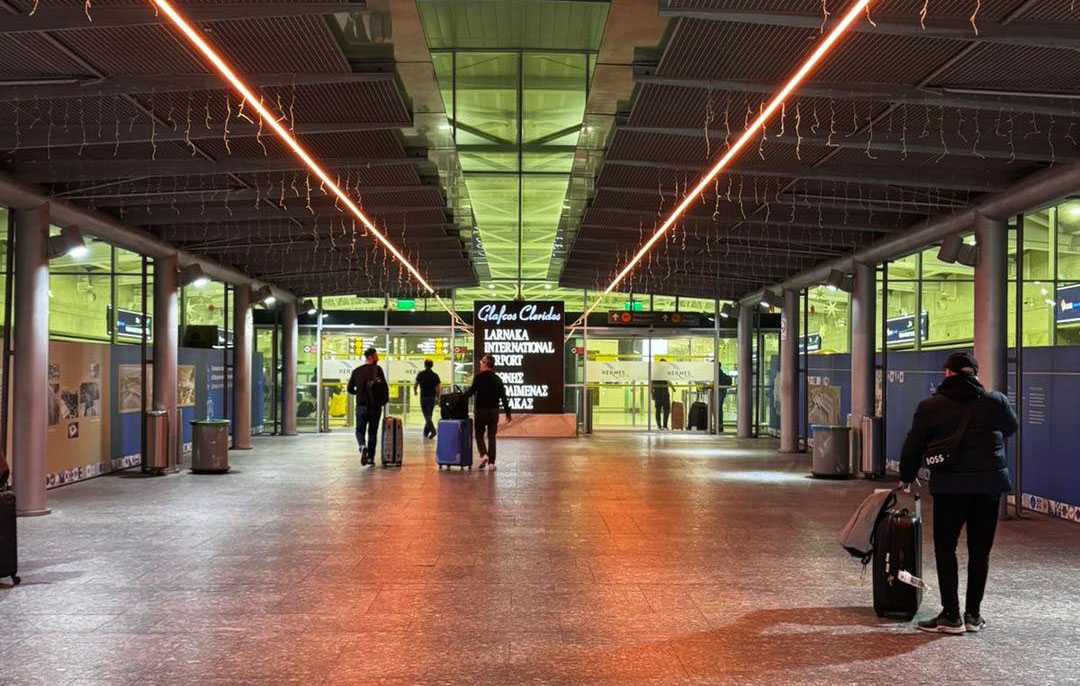
Importantly, these proposed subsidies will not apply to the primary gateways of the Republic of Cyprus, as both major airports significantly exceed the eligibility thresholds.
Last year, Larnaca and Paphos airports recorded a combined total of 13.7 million passengers, with Larnaca handling approximately 9.9 million and Paphos recording 3.8 million travellers.
The commission further stated that investment aid for infrastructure projects will now only be permitted for airports with up to three million yearly passengers, a reduction from the previous five-million-passenger threshold.
Any such funding for new capacity will be strictly tied to green conditionality, ensuring that the aviation sector contributes to the target of reducing transport emissions by 90 per cent by 2050.
“The transport sector is expected to reduce its emissions by 90 per cent by 2050 and the air transport sector needs to contribute to that reduction,” the European Commission stated in the draft document.
A significant shift in policy will see start-up aid for launching new routes abolished entirely, as the commission believes the liberalised market is now mature enough for carriers to bear their own commercial risks.
The executive body explained that this type of aid was rarely used and that “air carriers are expected to shoulder the risk of opening new routes” in a fully open market.
Furthermore, the distortive effects of state aid on neighbouring airports will be assessed over a larger geographic area, although the evaluation process itself is being streamlined for efficiency.
To support the industry’s transition, a dedicated guidance paper will be published to explain how airlines can access funding through the Climate, Energy and Environmental Aid Guidelines.
These changes follow a 2020 Fitness Check and a Call for Evidence in 2024, which identified a persistent reliance on public funds by regional hubs despite evolving market trends.
The final guidelines are expected to create a more transparent environment for private investors by clearly defining the limits of public intervention in the aviation industry.





Click here to change your cookie preferences