
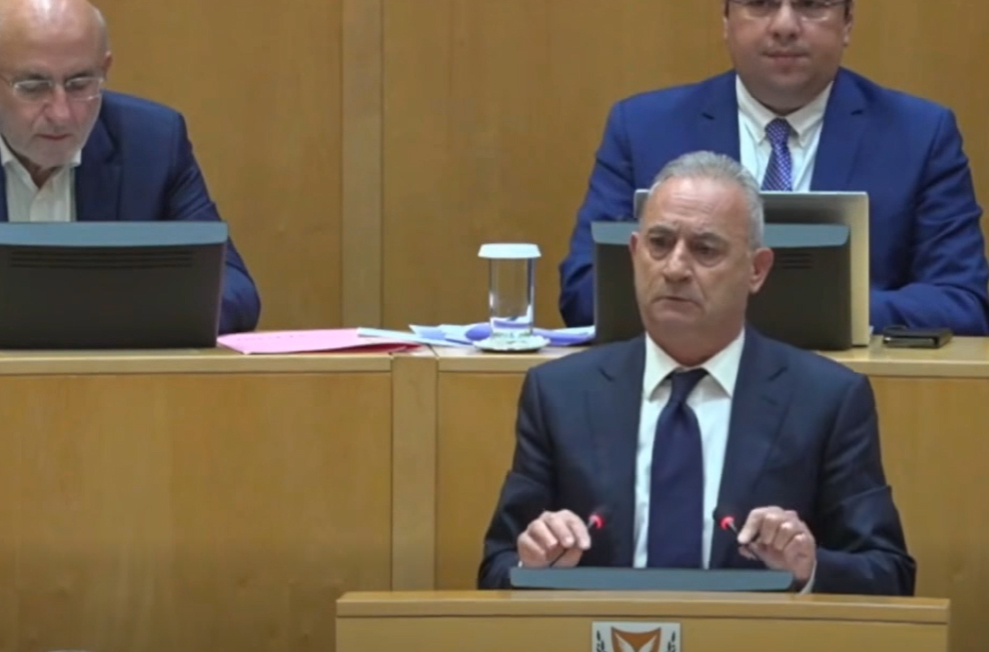
Former Disy leader Averof Neophytou, speaking at the House plenum on Thursday, said that while drought was an act of God, shortage of water was down to human incompetence. The priority now, was not to go back over the years apportioning blame, but to forge a national policy for tackling the water shortage problem once and for all.
More desalination plants should be set up, Neophytou said, and we should not be frightened by the high electricity costs, because we have sunshine almost 365 days a year, which means these plants could be powered by solar energy. The desalination process could take place only during daylight, thus minimising the demand for electricity from the overstretched EAC power stations.
The government has announced a programme for setting up five desalination plants, although it is now facing protests about the locations it has chosen for them. The Ayia Napa council has been trying to block the installation off its coast as it would be an eye-sore that tourists would alienate tourists. There have been no other protests for the time being.
Desalination plants are not the only answer. Neophytou said it was unheard of for a country facing serious shortages to lose 50 per cent of its water in an antiquated water supply network. This also had to be modernised and improved as part of a national policy to minimise the losses even if these were at 25 per cent.
Another point made by Neophytou is the need to recycle the water we use. In Israel, he said 95 per cent of the water used is recycled. Why have our highly paid technocrats never considered this option? If we do not have the know-how, why have we not sought the help of Israel with which we have been cooperating on several issues? This would be a more productive cooperation than on pipe dreams like the East Med pipeline, which will never happen.
This is the real failure of Agriculture Minister Maria Panayiotou, whose resignation the political parties have started calling for. These calls are linked to the ineptitude shown in fighting last year’s wildfires in the Limassol district (a damning report prepared by the legislature was released on Thursday) and to the failure to prepare for the outbreak of foot and mouth disease, despite the warnings.
Panayiotou’s biggest failure, however, is not developing a comprehensive policy for water development and management in the last year, when it became apparent that there would be a water crisis in 2026. At the beginning of the year, she advised households to reduce their consumption by 10 per cent, which is what her water management policy amounted to; and desalination plants would be set up, which was a cabinet decision anyway.
By keeping Panayiotou in her post, the president is, in effect, giving his full support to her failure to deal with one of the biggest problems currently facing the country.





Click here to change your cookie preferences