
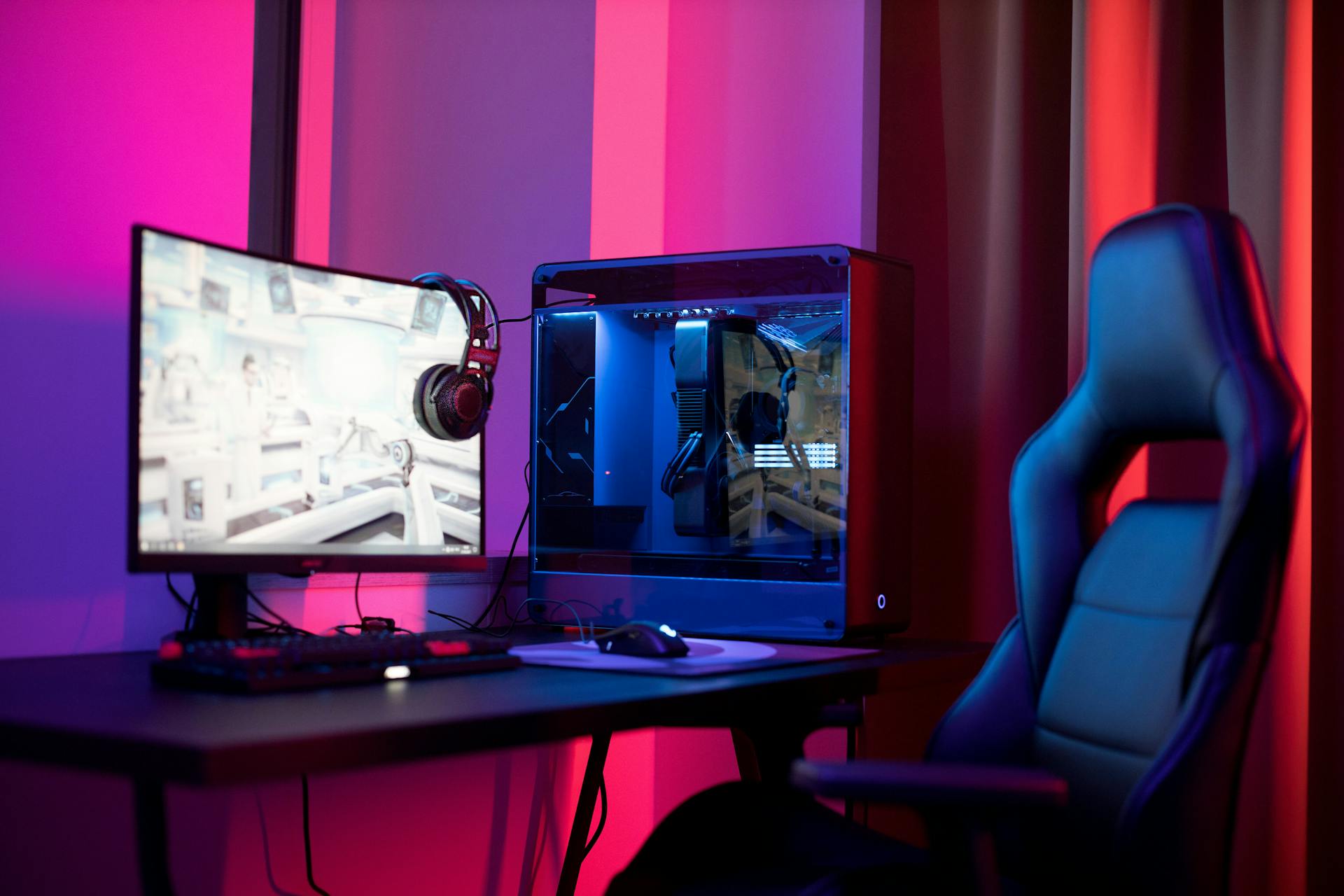
Global shipments of desktops, notebooks and workstations are expected to decline significantly in 2026 as rising component costs and supply pressures weigh on the personal computer market, according to the latest forecast released by Omdia.
The research firm said worldwide PC shipments in 2026 are projected to fall by 12 per cent to around 245 million units, reflecting mounting pressure from sharply rising prices for memory and storage components.
The forecast is based largely on the expectation that memory and storage prices will increase dramatically, including a predicted minimum 60 per cent rise in the first quarter of 2026.
Omdia said further price increases are likely during the rest of the year, although subsequent rises are expected to be more moderate than the initial surge.
Since the first quarter of 2025, the cost of mainstream memory and storage configurations has already increased by between US$90 and US$165, creating significant financial strain for PC manufacturers.
The rising costs are forcing vendors to reduce promotional activity, raise product prices and adjust device configurations in order to manage margins.
The impact is expected to be broadly similar across the main PC categories.
Shipments of desktop computers are forecast to decline by 10 per cent to 53.2 million units, while laptop shipments are expected to fall by 12 per cent to 192.2 million units.
Omdia said the market outlook remains highly uncertain as conditions continue to evolve rapidly.
The company conducted a multi-scenario analysis to assess potential outcomes depending on supply conditions and market signals.
Based on current information, the firm warned that the forecast carries a higher downside risk, particularly if shortages of key components become more severe.
Such shortages could widen for both memory and storage, potentially leading to even steeper price increases during the year.
If this scenario unfolds, consumer demand could weaken further while supply for PC vendors tightens.
In that case, global PC shipments could decline by around 15 per cent or possibly even more, according to Omdia.
The company also pointed to geopolitical uncertainty, noting that the recent outbreak of conflict in the Middle East has introduced additional risks for international transportation and regional market growth.
However, analysts said it remains unclear whether the conflict will have a sustained impact on the global PC market.
The report also examined how different price segments of the PC market are expected to perform under the current supply constraints.
Products at lower price points appear to be particularly vulnerable to rising costs.
“For lower-priced products, there is less margin room to absorb rising costs, and consumers in this segment are typically more sensitive to price fluctuations,” said Ben Yeh, principal analyst at Omdia.
He explained that devices in the lower price bands often rely on lower-capacity or previous-generation components, which are increasingly affected by supply constraints.
“In addition, lower-price-band products often rely on lower-capacity, previous-generation components and receive lower allocation priority while facing the hurdle of some suppliers discontinuing production,” Yeh said.
He added that manufacturers are likely to prioritise more profitable product lines when allocating limited supplies.
“Within the limited bit supply PC vendors could obtain, prioritizing premium products will be a preferred strategy to mitigate impacts to business performance,” Yeh said.
As a result, PCs priced below US$500 are expected to experience the sharpest decline in shipments.
Omdia forecasts that this segment will fall by 28 per cent to around 62.1 million units shipped in 2026.
By contrast, the high-end PC segment priced at US$900 and above is expected to prove more resilient.
Shipments in this category may even maintain modest growth, supported by stronger demand among consumers and businesses willing to pay higher prices.
“Beyond the stronger ability of higher price bands to absorb cost increases, we also factored in that some consumers and IT decision makers will accept higher price points to meet essential needs, which will drive an upward shift in the price mix,” Yeh said.
However, he cautioned that the move toward more expensive devices does not necessarily reflect improvements in technical specifications.
“However, the movement toward higher price bands does not necessarily represent improved product configurations,” Yeh added.
The outlook also varies across the main operating system platforms used in personal computers.
“The supply-driven downturn in 2026 will not affect all PC platforms equally,” said Kieren Jessop, research manager at Omdia.
Jessop said that Windows-based PCs, which currently account for 83 per cent of global shipments, are expected to decline by 12 per cent in 2026.
The analyst explained that this platform is likely to bear much of the pressure caused by shortages of memory and storage components.
At the same time, Chrome devices are projected to face the steepest decline.
“Chrome devices face the steepest decline at 28 per cent, as the education-heavy platform is particularly exposed to tighter component allocation, lower margins and the discontinuation of some memory and storage products,” Jessop said.
By contrast, Mac computers are forecast to experience a more modest contraction.
“Macs are set for a comparatively modest 5 per cent decline, supported by Apple’s vertically integrated supply chain and premium positioning,” Jessop said.
Meanwhile, a newer segment of the market is expected to grow rapidly.
“HarmonyOS-based PCs are emerging as a notable growth segment, forecast to expand tenfold year on year from a small base as Huawei ramps up its PC ecosystem in China,” Jessop added.
Overall, the analysis suggests that rising component costs, supply shortages and geopolitical uncertainty will shape the global PC market throughout 2026, with lower-priced devices expected to face the greatest pressure.





Click here to change your cookie preferences