
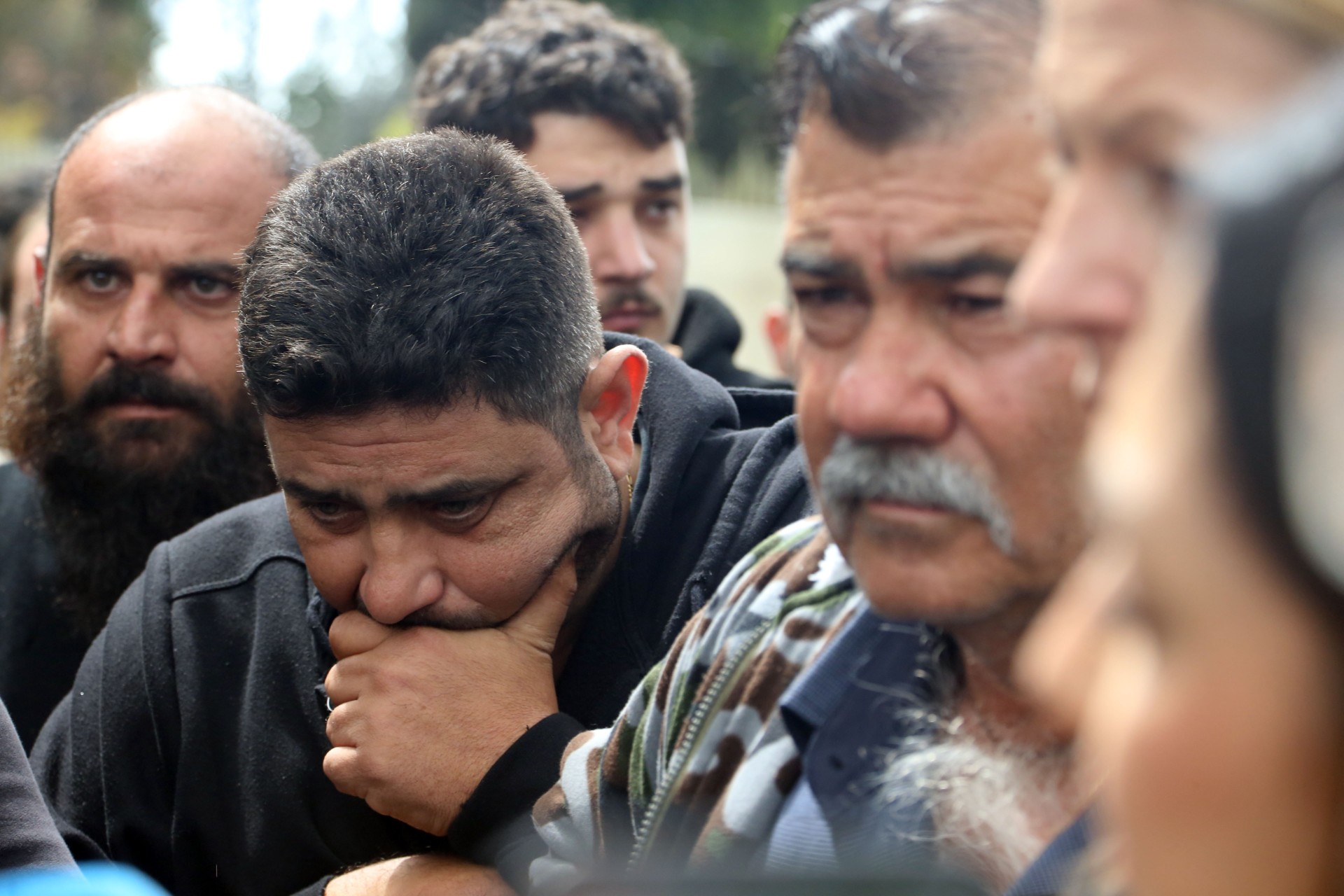
It is impossible not to feel sympathy for the livestock farmers, who are faced with financial ruin as a result of the rapid spread of foot and mouth (FMD) disease that has led to the culling of thousands of animals, with many more set to follow. Years of hard work are being destroyed overnight, with farmers powerless to stop it and protect their livelihood.
They have been fighting against the authorities’ efforts to implement the EU protocols for FMD, but it is a fight that cannot be won. They have had meetings with the president, they have demanded derogations from the EU, staged public protests, blocked the veterinary services from entering farms to carry out virus sampling, challenged the legality of the testing process but nothing has stopped the authorities following the protocols. The Friday before last the EU Commissioner for health and animal welfare visited Cyprus to make it clear that the protocols must be followed and that derogations were out of the question.
Desperate farmers, however, will listen to nobody. On Saturday they staged a protest in Nicosia, marching to the presidential palace and demanding the “immediate end to the mass killing of our animals”. They also want the virus sampling on vaccinated animals to stop, testing to be carried out by private labs and are demanding clarity from the government about the compensation they will be paid.
While none of these demands – with the possible exception of clarity on the height of the compensation – can be satisfied, the protest gatherings could increase the spread of the virus. The authorities have repeatedly warned farmers, who had previously staged spontaneous protests and blocked roads, that these gatherings help the spread of the virus that can be carried by humans and non-farm animals as well as inanimate objects like straw, hay, packaging material, water food etc. It can be spread by wind and vehicles, which makes Saturday’s protest rather irresponsible.
In another article carried by the Cyprus Mail about the UK experience of FMD 25 years ago, the writer mentioned that after confirming on-farm FMD, vets stayed away from any other farm for days. The Veterinary Service, which is seen by the farmers as the ‘bad guys,’ has repeatedly warned about the dangers posed by such public gatherings because of the dangers of passing on the virus. They did so again on Friday, warning that Saturday’s gathering could significantly increase the danger of the spread of the virus. Again, they were ignored.
This complete lack of cooperation and the absence of a united front between the authorities and the farmers has made a bad situation worse, undermining efforts to contain the spread of the virus, which, worryingly, was detected in animals in the Nicosia district this week. The farmers view the Veterinary Service as the enemy, determined to destroy them, by following the EU protocols to the letter, as it should, because it is the only way to protect unaffected farms. Not even President Chirstodoulides, who had two meetings with farmers’ representatives, was able to persuade them of the need to cooperate with the authorities, which were trying to salvage what they could of the threatened livestock farming.
It is probably unrealistic to expect farmers, seeing their farms and livelihoods being destroyed, to act in a rational way and accept the decisions of the authorities. Perhaps, there would have been a better chance of containing the spread of the virus if the government took a tougher stance, when the virus broke out. Police should have stopped public gatherings of farmers, as happened during the pandemic, and accompanied vets into farms which denied them access. This would have highlighted the magnitude of the problem and the need for uncompromising action by the government, in dealing with it.
It did not happen because the authorities felt sorry for the farmers, but the softly approach – while understandable to an extent in the circumstances – may have helped rather than hindered the spread of the virus.





Click here to change your cookie preferences