
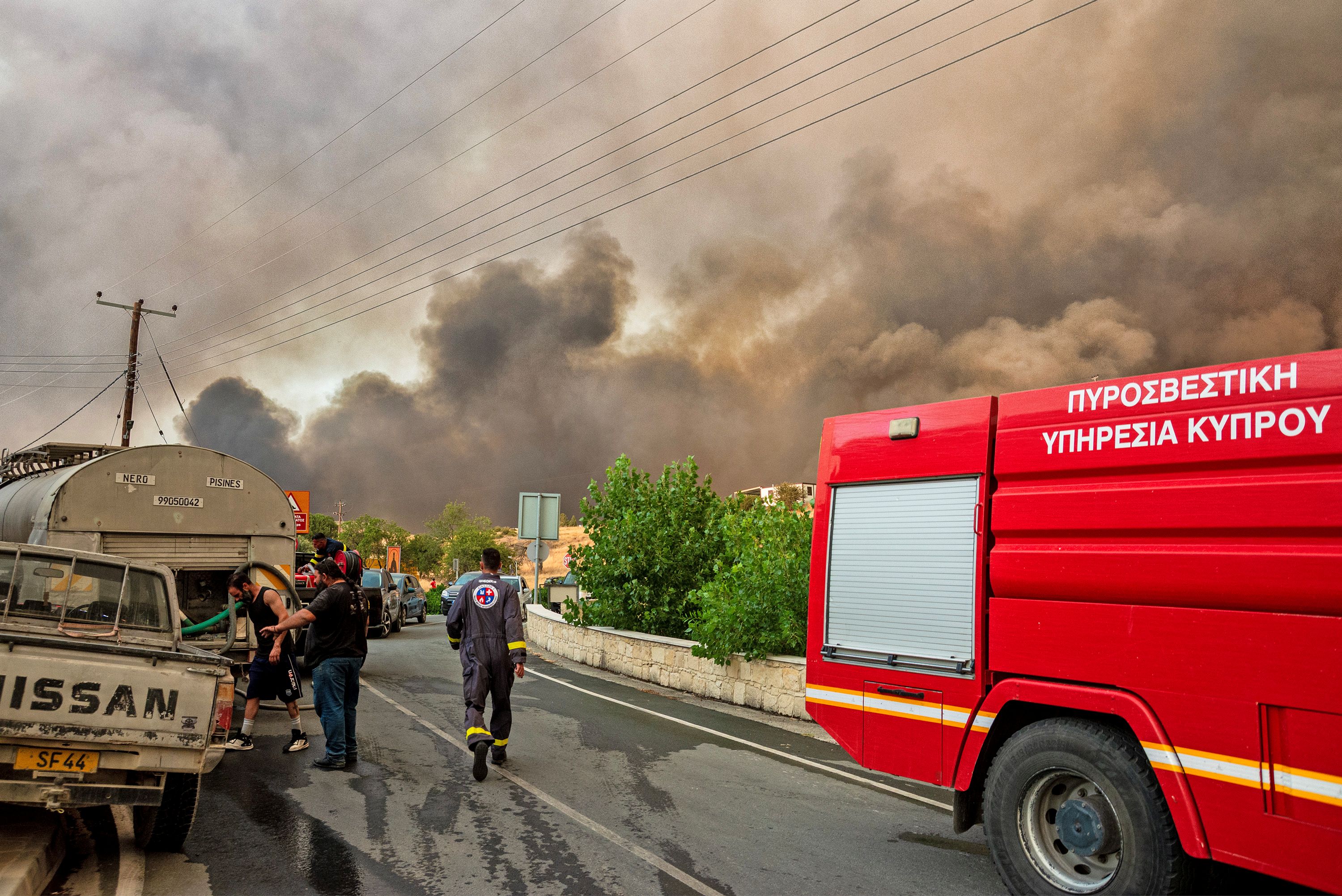
A new European firefighting hub based in Cyprus is set to be inaugurated in Paphos on April 23–24, on the sidelines of an informal EU summit to be held on the island as part of Cyprus’ presidency of the Council of the European Union.
The announcement comes as the European Commission unveiled on Wednesday a comprehensive new risk management strategy aimed at tackling the growing threat of wildfires across Europe, with the Cyprus hub forming a key pillar for the Eastern Mediterranean.
The facility, to be located at Paphos airport, is expected to serve both operational and training purposes.
European Commissioner for humanitarian aid and crisis management Hadja Lahbib said the hub will be co-financed, with Cyprus responsible for infrastructure while the EU contributes through the civil protection mechanism by providing training, preparedness and the exchange of best practices.
The initiative follows last September’s State of the Union address by European Commission president Ursula von der Leyen, in which she announced plans for the creation of the hub.
According to EU officials, the centre will function as a “centre of excellence”, focusing on capacity building, training exercises and seasonal preparedness, drawing on expertise from both EU member states and neighbouring countries in the south-east Mediterranean.
The hub is also expected to strengthen cross-border cooperation, in line with broader EU efforts to enhance collaboration with countries in the region on civil protection and disaster management.
The new strategy comes in response to a sharp deterioration in wildfire conditions.
According to the Commission, 2025 was Europe’s worst wildfire season on record, with more than one million hectares burned – an area larger than the entire island of Cyprus.
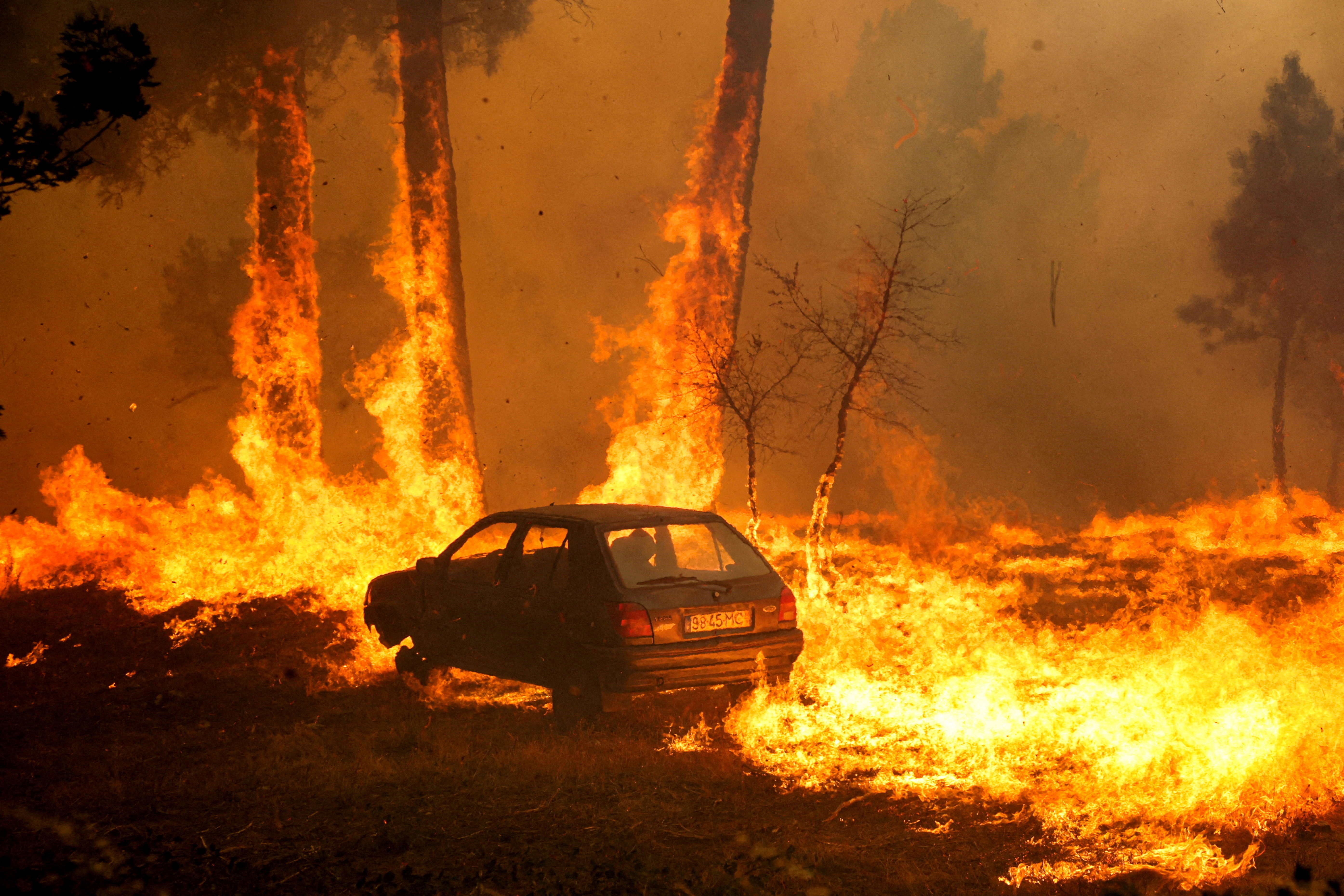
Wildfires are no longer confined to southern Europe, officials said, noting that countries such as Sweden, Germany and Austria are increasingly requesting assistance, even late into October, reflecting a longer and more intense fire season.
The strategy is built around four pillars: prevention, preparedness, response and recovery, with particular emphasis on prevention through land management measures such as sustainable agriculture, grazing and controlled burning to reduce flammable material.
The Commission also highlighted the role of rural abandonment in increasing fire risk, due to the accumulation of combustible vegetation, and is promoting the creation of more “resilient landscapes” by linking agricultural policy with fire prevention.
Efforts are also being stepped up to improve early warning systems through the European Forest Fire Information System, alongside the development of artificial intelligence tools for risk prediction and management.
On the response side, the EU is expanding its rescEU fleet with 12 new firefighting aircraft and five helicopters, with around €900 million being invested in strengthening aerial firefighting capacity.
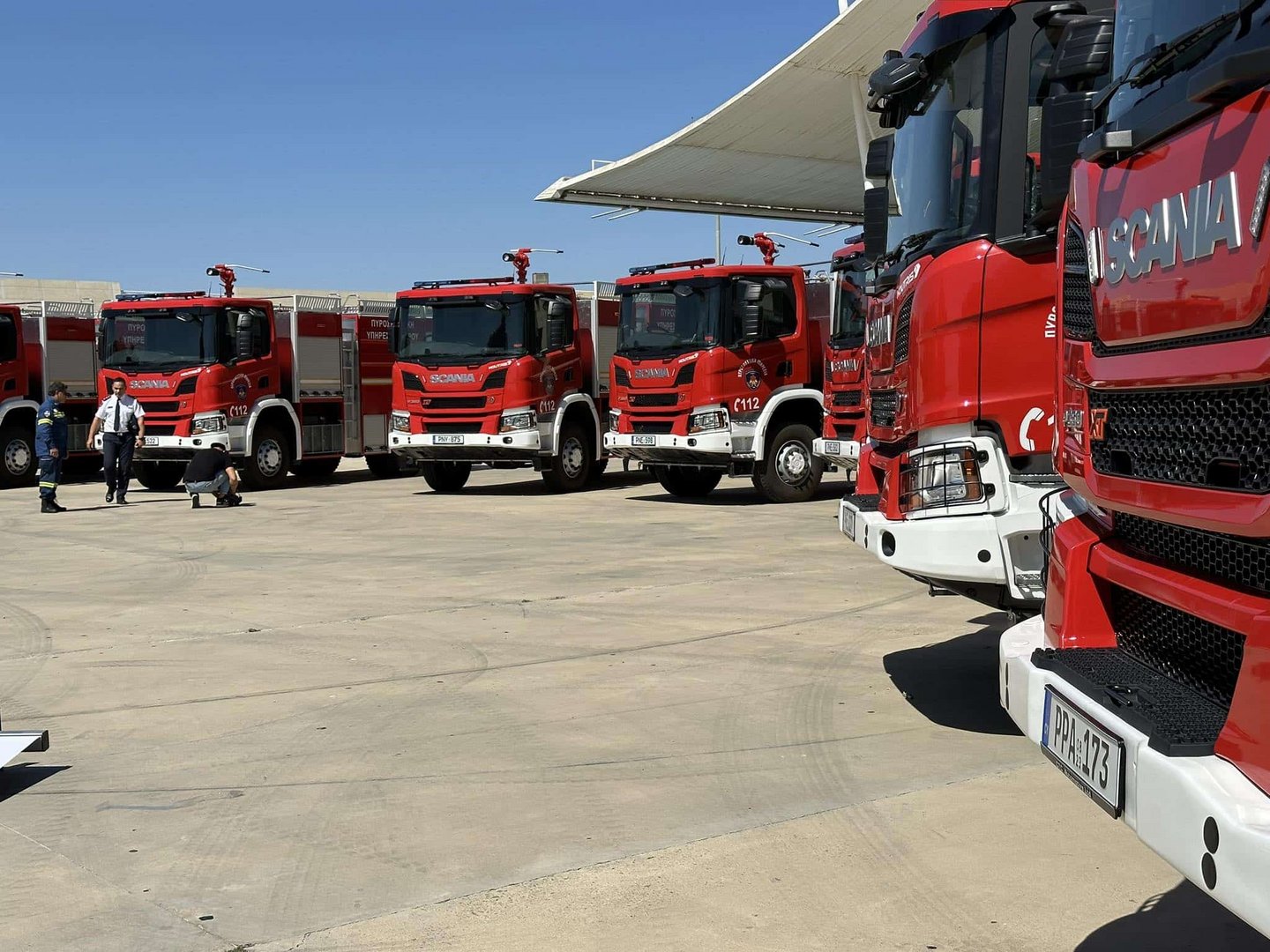
At the same time, firefighters continue to be pre-positioned in high-risk areas, while personnel exchanges between countries are being expanded to improve coordination and operational experience under the EU civil protection mechanism.
The Commission also stressed the economic benefits of prevention, citing analysis showing that every euro invested in preparedness can yield returns of up to 39 times its cost in avoided damages.
Public awareness is another key component, with up to 94 per cent of wildfires attributed to human activity. Education campaigns, volunteer programmes and community preparedness initiatives are therefore being prioritised, particularly in areas where urban and natural environments meet.
Recovery is also a central element of the strategy, with a focus on rebuilding in a way that enhances resilience to climate change and reduces the risk of future disasters.





Click here to change your cookie preferences