
Intellar AI maps the next phase of digital transformation
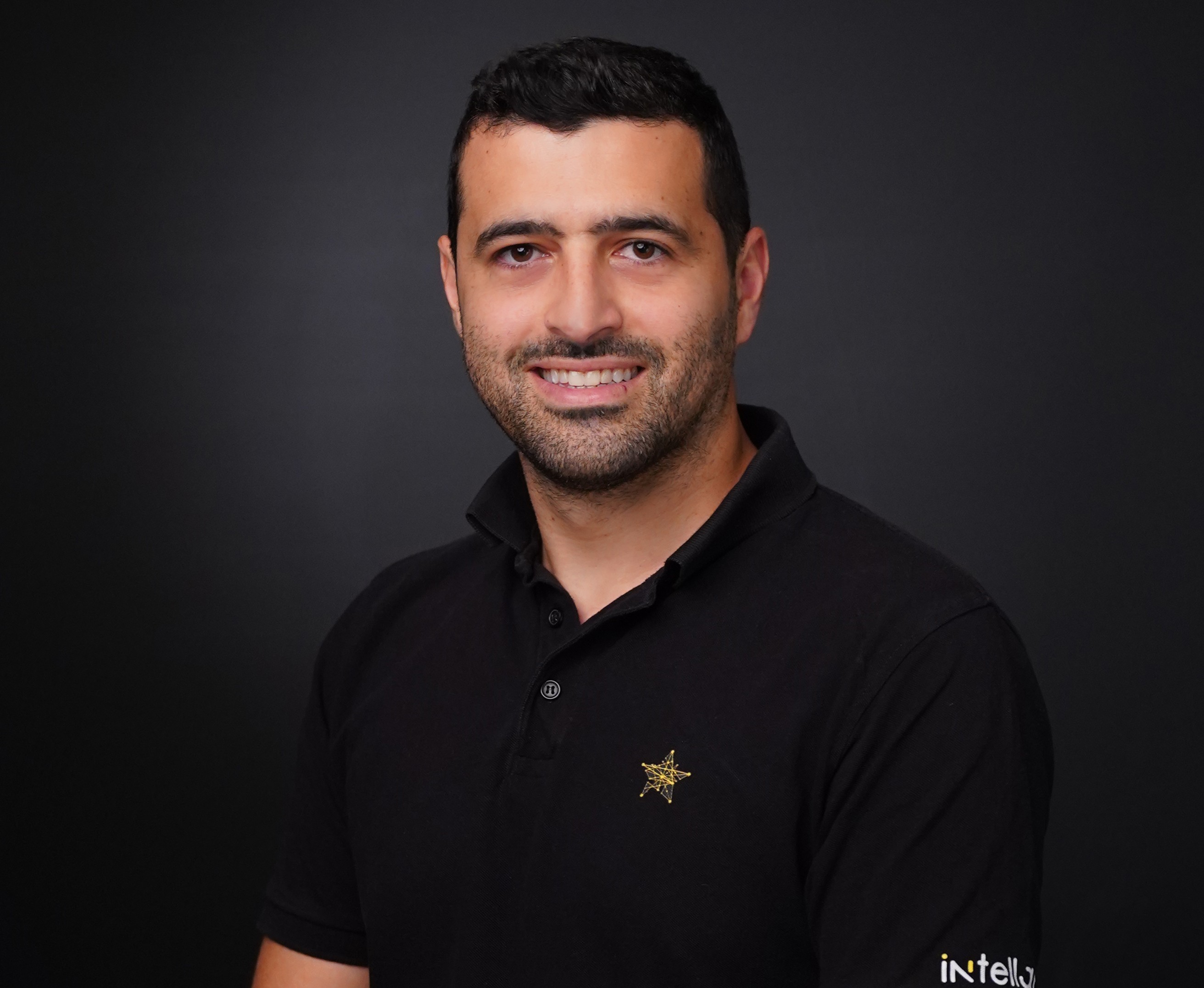
Artificial intelligence and automation are moving beyond isolated process improvements and becoming part of a broader business transformation strategy, with Intellar co-founder Antonis Grecos arguing that organisations are increasingly looking for tools that improve efficiency, accuracy and scalability at the same time.
Speaking in an interview, Antonis outlined how Intellar AI is helping companies automate complex business processes across sectors including shipping, finance, retail, gaming and healthcare, while also setting out the company’s longer-term ambitions in maritime technology through its Astrolabe crew optimisation platform.
Focus on solving real operational problems
Antonis described Intellar as a software technology company focused on solving real operational problems through artificial intelligence and robotic process automation (RPA).
Its work, he said, is centred on helping organisations improve efficiency, accuracy and scalability by automating complex business processes.
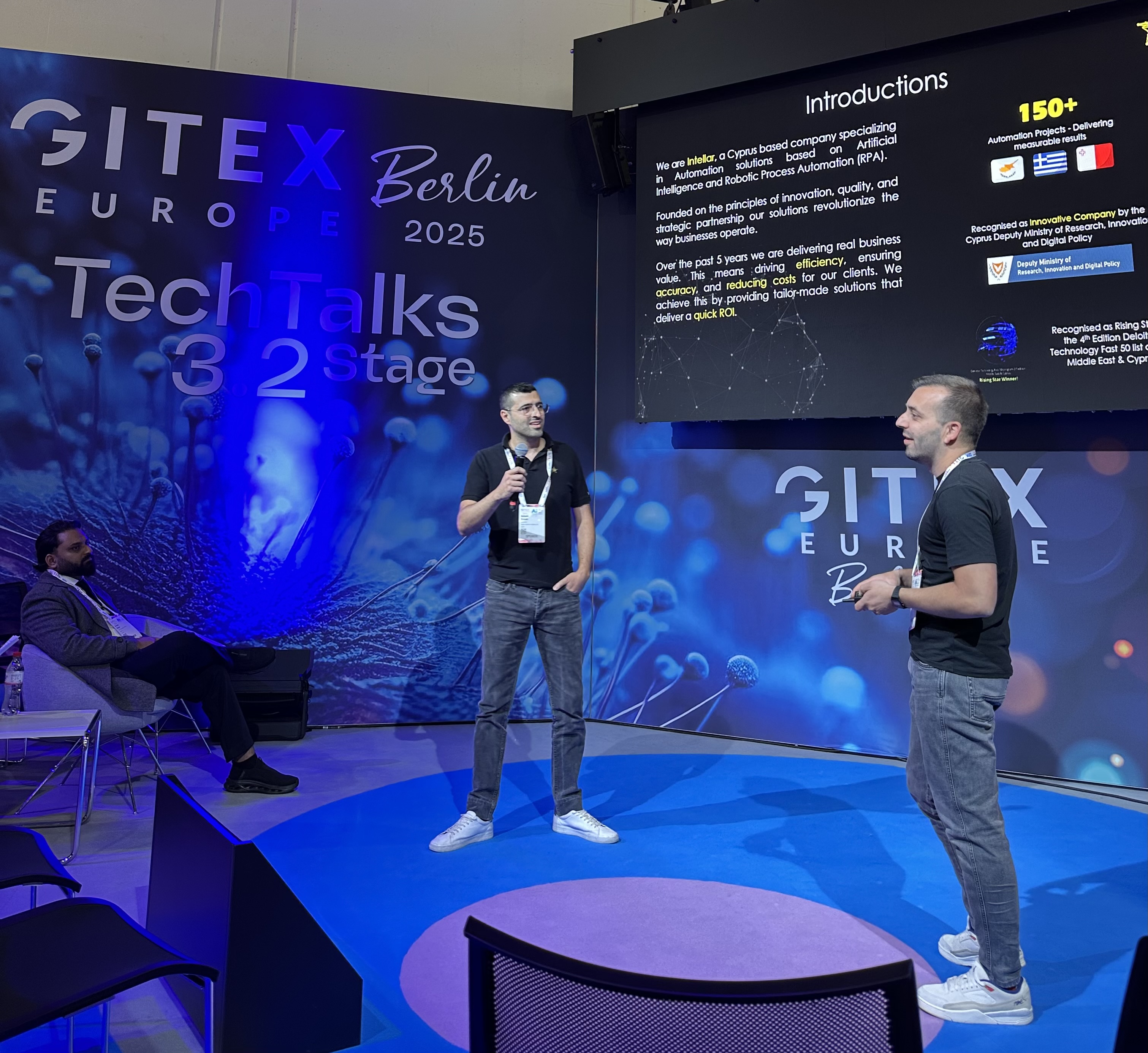
Over the past five years, the company has delivered more than 150 projects across Cyprus, Greece and Malta. Alongside that work, he said, Intellar has also been developing its own products aimed at addressing major industry challenges, with Astrolabe, its maritime crew optimisation platform, serving as the company’s flagship solution.
According to Antonis, companies typically approach Intellar when they are dealing with operational bottlenecks, large volumes of manual transactions or processes that require high levels of accuracy and compliance but are still handled manually.
Despite their differences, he said, sectors such as maritime and shipping, finance, retail, gaming and healthcare are facing many of the same pressures.
Turning to the relationship between artificial intelligence and robotic process automation, Antonis offered a simple distinction.
“Think of RPA as the hands and AI as the brain,” he said.
He explained that RPA is particularly strong at carrying out structured and repetitive tasks with accuracy, including logging into systems, extracting data and updating records. Once a process requires judgment, however, AI becomes relevant, whether through document understanding engines interpreting unstructured inputs or context-aware AI agents making decisions based on business rules and procedural guidelines.
When these layers are combined, he said, organisations can achieve what Intellar describes as end-to-end intelligent automation.
Where automation delivers fastest ROI
Asked which processes are easiest to automate and tend to deliver the fastest return on investment, Antonis said manual workflows still exist in most organisations, including those that consider themselves digitally mature.
Finance and accounting, he added, is often the first area companies choose to automate.
Processes such as invoice processing, bank reconciliation, expense management and financial reporting can be streamlined effectively, he said.
In that context, he pointed to Intellar’s “Digital Bookkeeper”, which combines automation with AI-based document recognition, allowing invoices, receipts and bank statements to be digitised, validated and converted into accounting entries automatically.
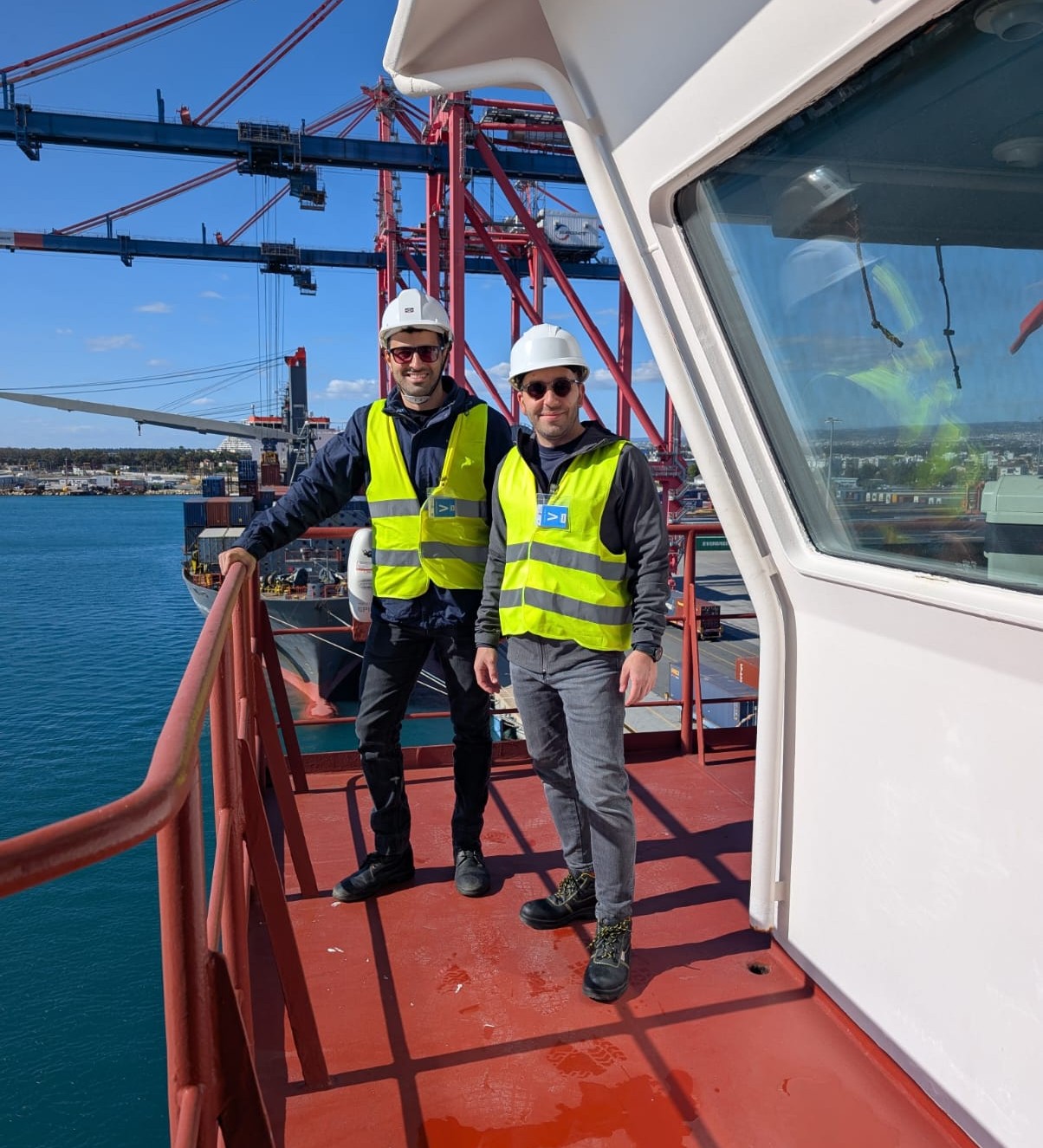
Shipping companies, he added, also deal with complex administrative workflows involving large volumes of documentation and strict regulatory requirements.
Intellar, he said, has helped automate processes including seafarer certification management, crew payroll, vessel documentation and compliance reporting.
Across projects, organisations typically achieve reductions of 70 to 90 per cent in manual processing time, alongside lower costs, improved accuracy and stronger operational visibility for decision-making, Antonis said.
He added that the speed of return on investment often surprises clients, with the company able to move from executive discussion to production deployment in as little as twelve weeks.
On sector demand, Antonis said maritime is currently the most exciting industry for the company.
“The sector is at an inflection point,” he said.
For years, he noted, innovation in shipping focused mainly on vessel engineering and hardware, while operational and back-office processes were largely overlooked. That, he said, is now changing rapidly.
Geopolitical pressures, MLC compliance requirements and a global shortage of qualified officers have all contributed to that shift, creating a greater sense of urgency around digital adoption.
Automation in shipping operations
Shipping companies, he said, increasingly recognise that operational efficiency and digital tools are becoming strategic advantages, meaning the question is no longer whether the industry will modernise, but how quickly.
By contrast, finance and gaming are more mature in their automation journey, with many large organisations in those sectors having invested in automation and AI for years.
Other sectors, including government organisations and legal firms, are only now beginning to explore the potential of automation, he said.
Astrolabe: maritime crew planning intelligence
A central part of Intellar’s strategy is Astrolabe, which Antonis described as the company’s flagship platform and a reflection of its work in maritime AI automation.
Through years of collaboration with the shipping industry, he said, Intellar identified a structural weakness in the way crew changes are managed globally.
Replacing a seafarer at the end of a contract requires multiple constraints to be aligned at once, including vessel schedules, port locations, travel logistics, visas, certifications and regulatory requirements. In many organisations, he said, that process is still managed manually and through fragmented legacy systems.
Astrolabe was designed to address that challenge through a proprietary AI algorithm that evaluates all operational constraints simultaneously and generates optimal crew change scenarios in real time.
That, Antonis said, allows crew managers to make faster and more informed decisions.
He added that the company also focused on the human dimension of the process. After interviewing seafarers, Intellar developed a mobile application designed around their needs, allowing more proactive compliance and greater transparency of information.
Ultimately, he said, Astrolabe brings advanced technology to one of shipping’s most complex operational challenges, improving efficiency while also supporting the people who keep global trade moving.
Asked about the main technological innovations behind the platform, Antonis said the most important development is the proprietary AI optimisation engine at Astrolabe’s core.
“This is an inhouse purpose-built algorithm, specifically designed for the complexity of maritime crew change planning, it is not an adaptation of an existing generic optimisation tool,” he said.
Alongside that, he said, the company developed the operational framework for the platform as well as the seafarer mobile application. The intellectual property portfolio that has emerged from that work is now being actively protected through appropriate mechanisms, which he described as a serious priority for the company.
“This is genuinely novel technology, and we intend to maintain a long-term competitive advantage around it,” he added.
Measurable impact and efficiency gains
In terms of practical benefits for shipping companies, Antonis said the impact is visible at several levels. Operationally, crew changes can be planned much faster, with early indications showing that the process can be around 80 per cent faster than traditional coordination methods.
There are also cost optimisation benefits, he said. By analysing travel logistics, port rotations and crew availability at the same time, the platform can identify more efficient crew change combinations.
Early metrics, he added, show cost reductions of 15 to 25 per cent, mainly through better routing and reduced unnecessary travel and coordination expenses.
From a risk and compliance perspective, automated monitoring of certifications, contracts and regulatory requirements helps reduce exposure to issues such as MLC compliance violations, while also improving operational oversight.
Perhaps most importantly, Antonis said, the system makes the overall operation more resilient and transparent. The mobile seafarer application places critical information directly in the hands of crew, improving visibility around the crew change process and allowing seafarers to interact with the system in ways that can strengthen welfare and communication with shore teams.
Turning to the wider debate around AI and employment, Antonis said automation is far more likely to reshape jobs than replace them.
“Definitely reshape them, at least for us,” he said.
Drawing on the company’s work with client teams, he said there is often scepticism at the beginning. Over time, however, many automation requests come not from management but from the teams themselves, largely because the response becomes positive once employees see routine and mundane tasks being handled for them.
That shift, he said, allows staff to become reviewers of activity rather than processors. At the same time, he argued that teams should invest in technology literacy and in understanding how to work alongside technology.
Common Misconceptions Around AI
Asked what misconceptions still surround AI and automation, Antonis said two stand out repeatedly.
The first, he said, is a tendency to overestimate what AI can do, particularly with the growing public availability of large language model tools. In some cases, he noted, there is an almost magical belief that AI can simply be pointed at a messy, poorly defined process and somehow resolve it.
“If the process is chaotic, the automation will be chaotic,” he said.
That, he argued, is why process analysis, documentation and process re-engineering must come before automation.
The second misconception, according to Antonis, is the view among mid-sized companies that automation is only for large enterprises with substantial IT budgets.
In reality, he said, the tools have matured, deployment timelines have become shorter and return on investment (ROI) is now well within reach for companies of almost any size.
Cyprus as a growing tech hub
On Cyprus, Antonis said the country has advantages that are sometimes underestimated.
“There is an ecosystem forming and communities like Techisland,” he said.
He added that Cyprus also benefits from a sophisticated legal and financial services environment, which can provide incentives for innovative companies, while the talent pool is well educated and becoming increasingly technically oriented.
Where Cyprus still needs to improve, he said, is scale. The local market on its own cannot sustain technology companies, which means businesses need to be built for Europe and international markets from the outset.
For that to happen, he argued, investors, government programmes and mentorship networks need to align more clearly around that outward-looking approach.
He described Research and Innovation Foundation (RIF) programmes as a meaningful step in that direction, but said more venture capital support is needed for local innovation.
Getting started with automation
For companies only beginning their digital transformation journey, Antonis urged a practical and measured starting point.
“Start small and fast with a proof of concept,” he said.
He cautioned against launching a grand transformation strategy before automating a single process, arguing instead that organisations should begin with one measurable pain point, for example in finance, and automate it properly.
When a task that previously took three hours can be completed in under ten minutes, he said, the conversation about scaling changes completely.
The most common mistake, according to Antonis, is treating automation as an IT project rather than a business transformation.
In his view, the most successful automation programmes are led by business stakeholders who understand the processes, supported by technology partners who understand the tools.
Looking ahead, Antonis said AI agents are likely to be the most significant development in the next phase of intelligent automation, along with the orchestration of multiple AI agents.
He noted that Intellar’s UiPath AI agent Fast Track partnership gives the company access to the latest capabilities while ensuring compliance and cybersecurity standards.
An AI agent, he said, can perceive context, reason about options and take multi-step actions autonomously. That opens up categories of processes that were previously beyond the reach of automation.
Intellar’s long-term vision
Finally, Antonis said Intellar’s long-term ambition is underpinned by both sector focus and a broader view of digital transformation.
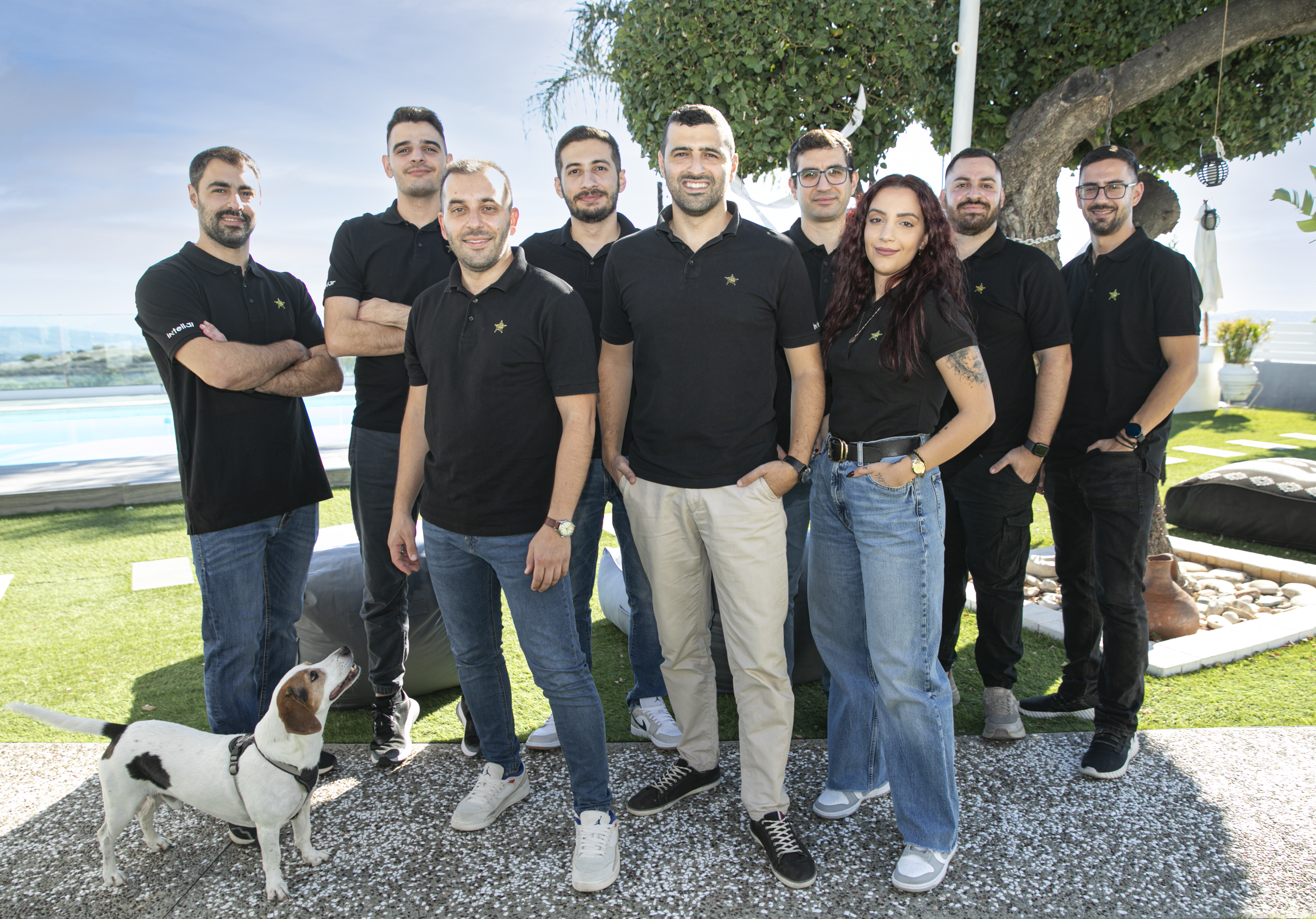
“We have a talented team, I am proud of, and that allows us to have big ambitions,” he said.
Astrolabe, he added, is the company’s flagship maritime technology solution, and Intellar intends to build it into a recognised global platform for crew change optimisation. At the same time, the company wants to become the partner of choice for intelligent automation across the sectors it serves, both in Cyprus and internationally.
He also said Intellar wants to contribute locally to public sector administration by helping streamline operational procedures through automation and participation in ongoing initiatives related to AI in government.
As a closing point, Antonis said Intellar was founded on the belief that “things can be done better, more efficiently and technology should be used where it adds value with quality and responsible innovation in mind,” adding that “everything we build comes back to that.”





Click here to change your cookie preferences