
Meat in Cyprus is totally safe to eat despite the foot and mouth outbreak, but rising prices could be a spur to rethink our diets
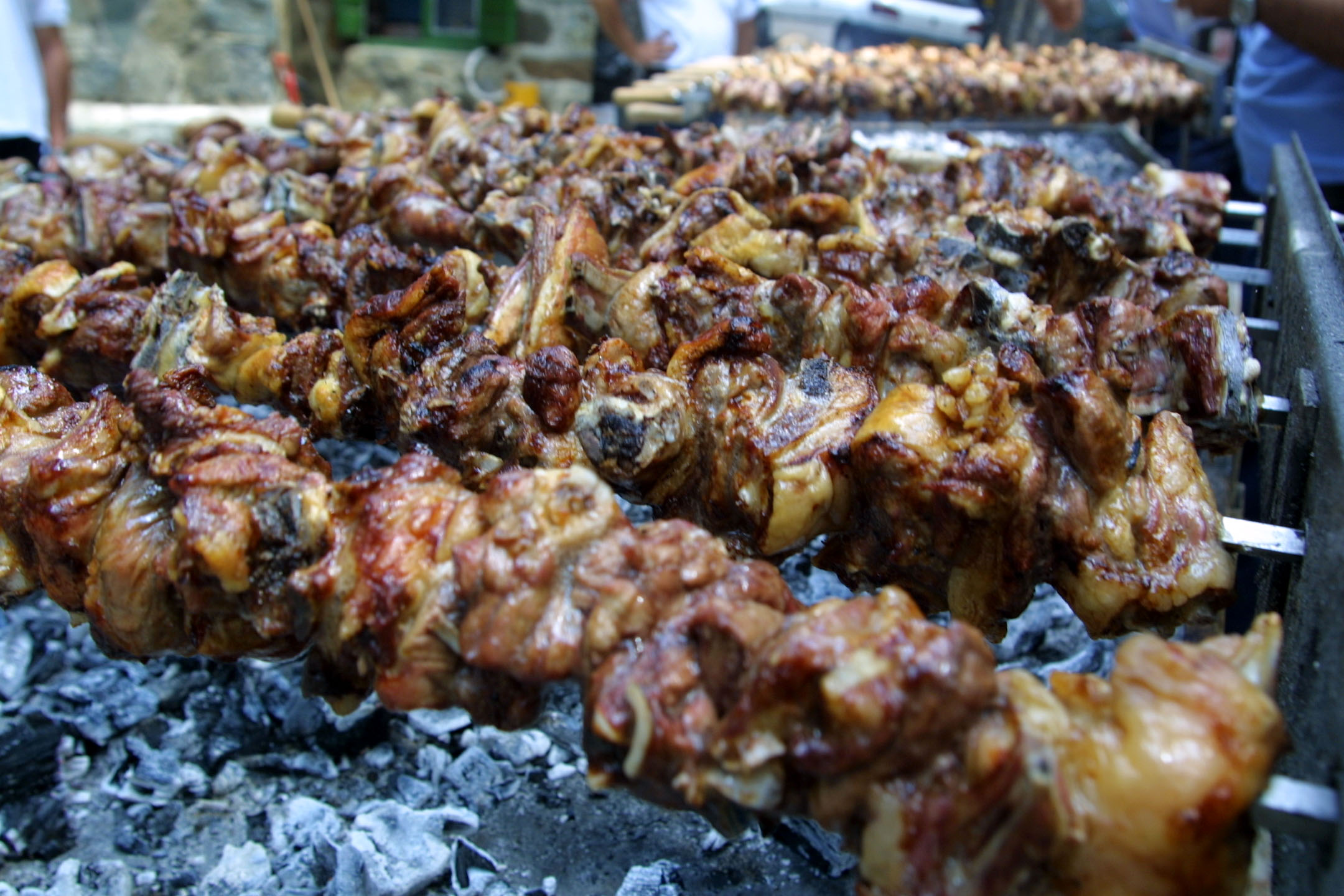
Meat belongs to Cyprus like the sea lapping our shores. It is so ingrained in Cypriot culture that we even dedicate whole days to it, Tsiknopempti for example.
But amid surging meat prices and the outbreak of foot and mouth (FMD) disease, buying meat has become not only a matter of affordability but also one of trust, particularly with Easter fast approaching.
“Cyprus has seen an upward trend in meat prices in recent months, with lamb, goat and beef experiencing the sharpest increases,” consumers association chairman Marios Drousiotis tells the Cyprus Mail.
He says that the price increases often reached up to 28 per cent, but that so far, there were no indications that the operations of the meat market in Cyprus were directly impacted by FMD.
“However, it is considered certain that there will be an impact on the domestic industry, as containment measures, quarantines, and the possible culling of animals are expected to affect production, costs, and potentially prices,” Drousiotis adds.
Cypriots eat 93 kilos of meat per year
Increased prices are likely to be met with limited enthusiasm by carnivore-eating Cypriots, who consume an annual average of 93.3 kilograms of meat.
According to the statistical service Cystat, this amount comprises of 41.1 kilos of pork, 37.1 kilos of poultry, 9.3 kilos of beef and 6.2 kilos of sheep and goat meat.
With regard to the production of meat on a local level, the tendency is fairly comparable: the majority, 48 per cent, of meat produced in Cyprus is pork at around 35.3 tonnes, followed by poultry, 38 per cent and 28.1 tonnes, cattle with 7 per cent and 5.1 tonnes and sheep and goat at six per cent with around 4.7 tonnes.
Consumption came to a head on Tsiknopempti, when daily meat consumption doubled as Cypriots traditionally headed outside to barbecue with friends and family.
“People now come earlier to buy meat, mostly their lamb for souvla,” president of the butchers’ association Costas Livadiotis says.
In addition to an earlier arrival of customers, which might be because some fear a lack of supply, he confirms the increase in prices and says FMD has brought about changes in terms of animal imports.
“We used to import from Lesvos but they now have the same issues [with FMD] and in the rest of Greece they are battling with smallpox and have already killed 500,000 sheep,” he
Livadiotis does not anticipate a substantial rise in prices, and he asserts that there is no cause for concern regarding supply, as it is sufficient.
“We have enough meat,” he says.
But what if meat is too pricey?
With supply covered, the question of affordability remains.
“The meat most widely consumed during the Easter period is lamb, by a large margin compared to any other type. However, this year its price is expected to increase by about 1–2 euros per kilo, a rise that will become more noticeable during Holy Week,” says Drousiotis.
With the cost of meat having risen dramatically, consumers might not be able to afford the same amount of meat as before.
“The increase is due to the culling of animals as a result of the foot-and-mouth outbreak,” he adds.
So what alternatives are there?
For those who feel that cutting out meat altogether from their Easter meal is too radical, there are other options – and they have several benefits in terms of affordability, health and the environment.
Cyprus cuisine is full of vegetables and not just meat-filled dishes like yemista or dolmadakia, but traditional meals that are actually vegetarian or even vegan.
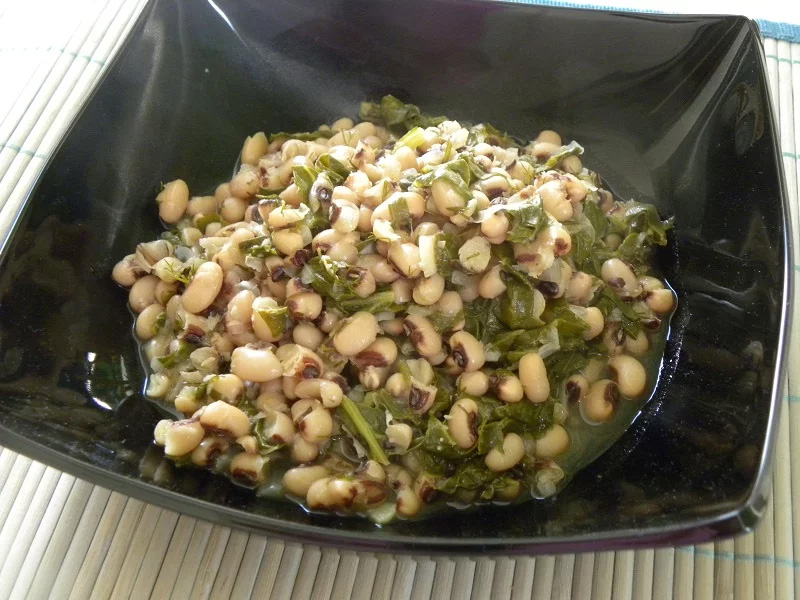
These include all kinds of pulses – or ospria – including beans, peas, lentils of all kinds and variations with Cypriot louvi likely to be the most prominent among them.
Ospria are high in protein and fibre, and have a low glycaemic index, which helps to keep blood sugar levels low.
They are also much more affordable than meat and have significantly lower CO₂ emissions. Just 250 grammes of fava beans have a carbon footprint of 213 grammes of CO₂ equivalent; meanwhile, a pork sausage has a footprint of 1,657 grammes of CO₂ equivalent, which is considered very high.
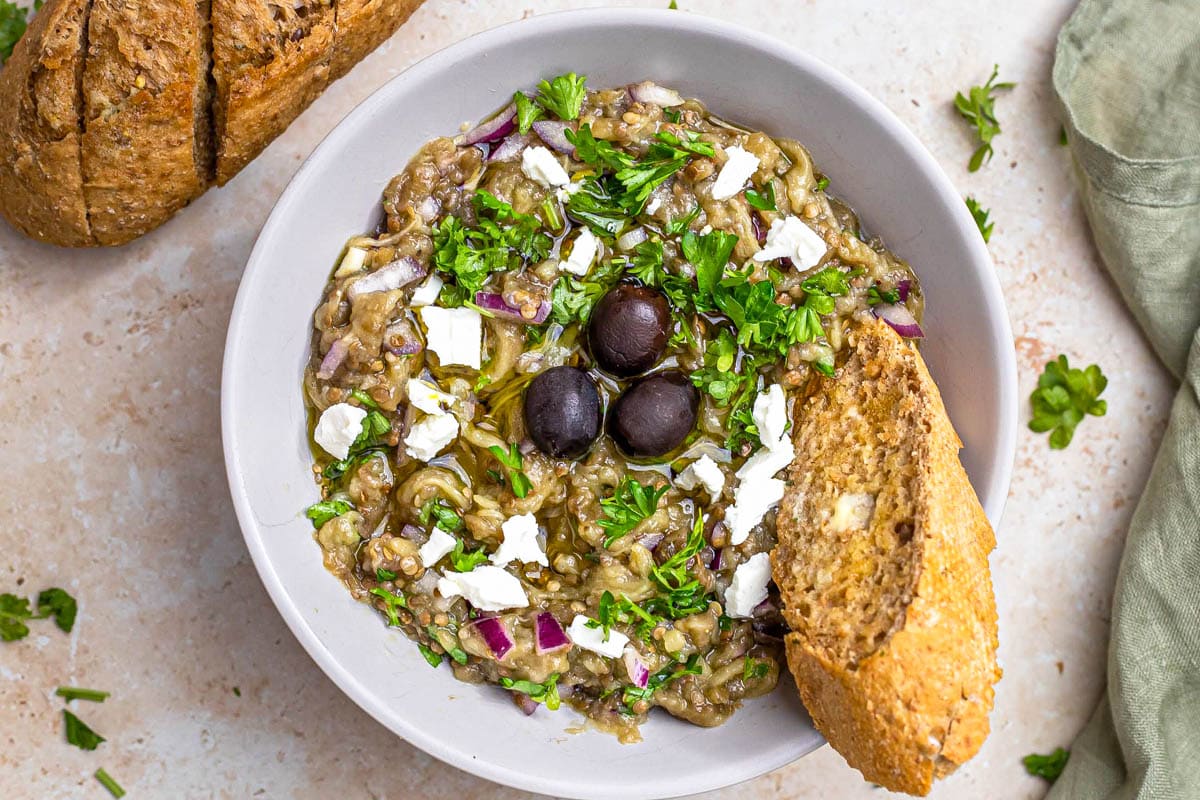
Other, less ‘plain’ dishes include fava, melintzanosalata, fasoulada, fajes with caramelised onions, koupepia with rice and anthous.
These are all filling, traditional Cypriot meals that can serve as main courses, providing an alternative for those who want to reduce their meat intake or celebrate a vegetarian Easter.
‘Consumers can purchase Cypriot meat without any concern’
While reducing meat consumption over Easter, or indeed at any time, without resorting to complicated substitutes, is worth exploring, it must be emphasised that Cypriot meat is safe to buy.
“Consumers can purchase Cypriot meat without any concern regarding its quality. Foot-and-mouth disease is not transmitted to humans and the control measures in place ensure that the meat reaching the market is completely safe for consumption,” Drousiotis stresses.
In this context, he notes that the place where the meat is purchased is irrelevant to its quality, as they are all equally safe, whether it is from a butcher, supermarket or open market.
“All operate under the same sanitary inspections and offer safe products,” Drousiotis underlines.
The only difference might be in the prices.
“In terms of price, supermarkets usually offer lower prices compared to neighbourhood butcher shops, due to larger purchasing volumes and different pricing policies,” he says
Easter is the perfect time to consider reducing meat consumption for both financial and environmental reasons.
This is not because Cypriot meat is unsafe, but because meat production requires the taking of animal life – a practice that is somewhat antithetical to the spirit of Easter.
After all, the Cypriot cuisine is full of alternatives that deserve more attention than being dismissed only as side dishes.





Click here to change your cookie preferences