
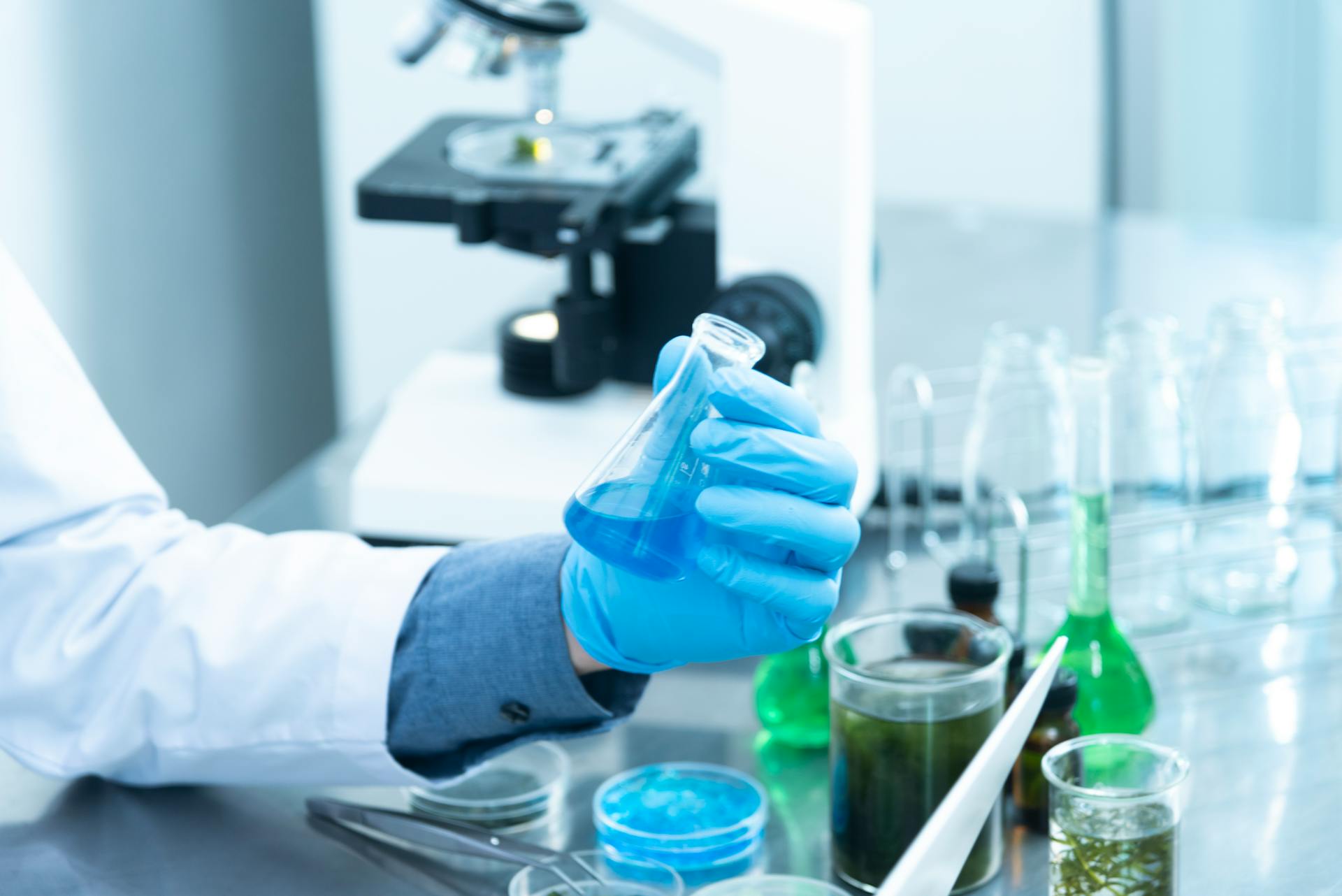
The European Commission this week announced the opening of the 2026 call for Marie Skłodowska-Curie Actions Postdoctoral Fellowships, with a budget of €399.05 million aimed at supporting researchers across Europe and beyond.
The fellowships are designed to support PhD holders in conducting research abroad, enabling them to develop new skills across disciplines and sectors.
Participants will have the opportunity to work with leading scientific teams, contributing to the European Union’s competitiveness through advanced research.
Applications for the programme are open from April 16, 2026 and will close on September 9, 2026, according to the Commission.
Since its establishment in 1996, the Marie Skłodowska-Curie Actions have supported more than 150,000 researchers, including 23 Nobel laureates, underlining its long-term impact on scientific excellence.
The 2026 call forms part of a broader allocation exceeding €1.25 billion under Horizon Europe 2021–2027, aimed at strengthening research and innovation capacity.
Through this funding, the programme will continue to support doctoral and postdoctoral training, fellowships, and collaborative research projects across multiple disciplines.
“Europe’s future is built on knowledge, discovery and talent,” said European Commission President Ursula von der Leyen.
“For 30 years, the Marie Skłodowska-Curie Actions have empowered researchers to push the boundaries of science and to turn ideas into progress for society,” she said.
“Today, we are renewing that commitment,” she added.
“To researchers around the world, our message is clear bring your ambition, bring your talent Europe is your place to innovate and to thrive,” she said.
The programme’s 30th anniversary will be marked throughout 2026, under the theme 30 years of curiosity that changes the world.
The celebrations will highlight the programme’s impact on research careers, including stories, milestones, and contributions from the global MSCA community.
These activities include a dedicated anniversary webpage and contributions from leading figures, such as an interview with Hélène Langevin-Joliot, granddaughter of Marie Skłodowska-Curie.
The Commission also confirmed that additional funding calls will be launched later in 2026 to further support researcher development.
One of these is the MSCA Doctoral Networks programme, which will run from May 28 to November 24, 2026, with a budget of €593.03 million.
This initiative will focus on recruiting and training doctoral candidates across academia, industry, businesses, and public administration.
It will include joint doctorates and industrial doctorates, equipping researchers with transferable skills and enhanced career prospects.
Another upcoming call is the MSCA Choose Europe for Science programme, scheduled from December 8, 2026 to April 6, 2027, with a budget of €51.25 million.
This initiative aims to boost the attractiveness of research careers in Europe, addressing issues such as job precarity and brain drain.
It will support projects that recruit and co-fund postdoctoral researchers, with a focus on long-term employment opportunities beyond project completion.
The call follows a pilot action launched in 2025, with results expected to be published in the coming weeks.
In addition, two other calls under the programme were launched in late 2025.
The MSCA Staff Exchanges call, with a budget of €97.92 million, will remain open until April 16, 2026.
This initiative supports collaborative research and innovation projects, promoting international, inter-sectoral, and interdisciplinary cooperation.
The MSCA COFUND call, which closed on April 8, 2026, allocated €105.46 million to support organisations in developing doctoral and postdoctoral training programmes.
Its objective is to attract talented researchers, strengthen skills, and advance career development.
The Marie Skłodowska-Curie Actions programme has evolved into the European Union’s flagship initiative for research training and mobility, open to all disciplines and sectors.
It continues to attract global talent, strengthen ties with industry, and contribute to a more integrated European Research Area.




Click here to change your cookie preferences