
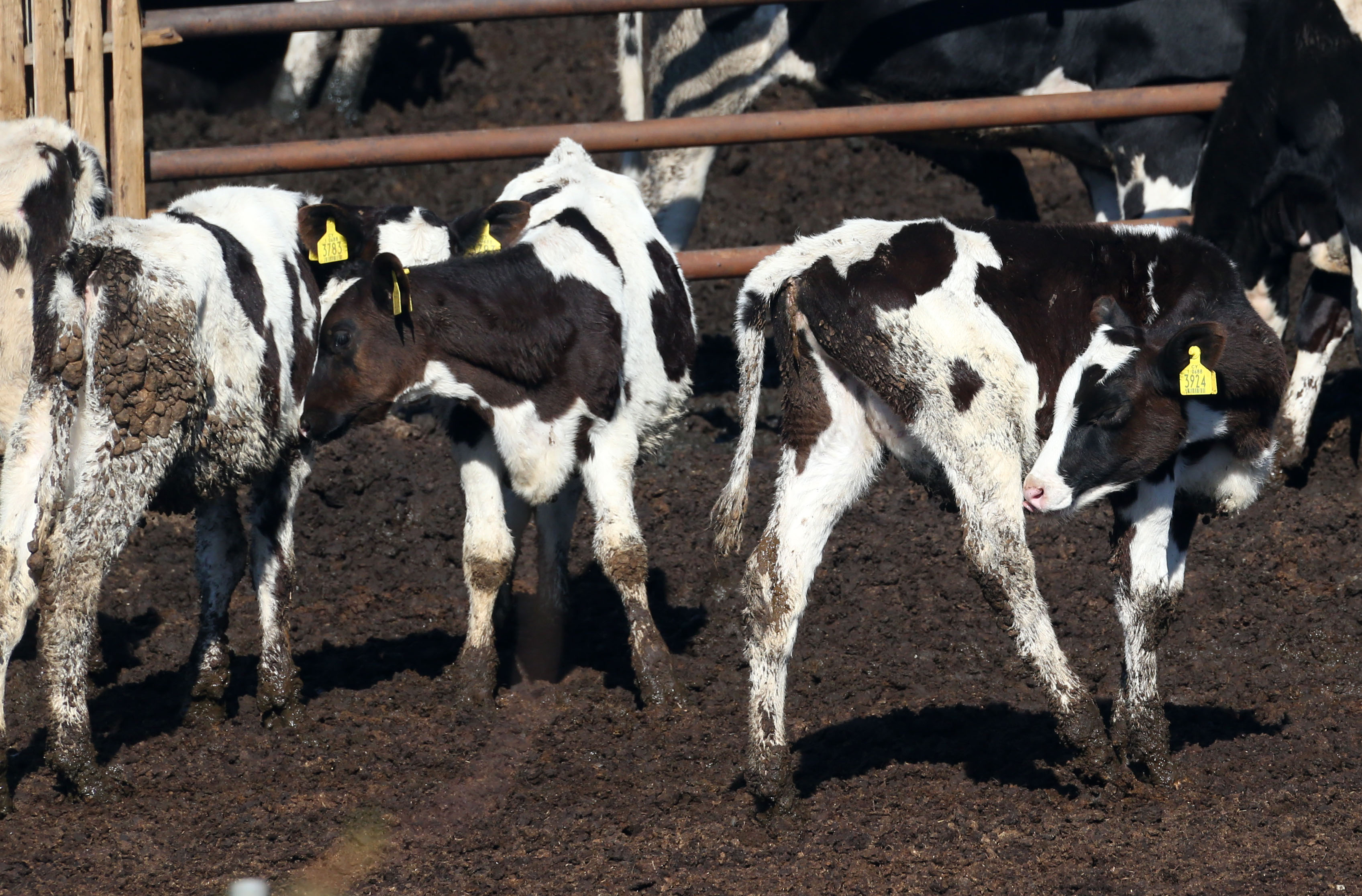
Three new cases of foot-and-mouth disease have been identified at farms in the Nicosia district, authorities confirmed on Thursday, with the total number of infected units across Cyprus rises to around 120.
The latest infections were detected in Mammari, Paliometocho and Kokkinotrimithia, all within the existing restricted zone of western Nicosia.
Officials said the units are located within a three-kilometre radius of known infected premises and involve a limited number of animals.
The outbreak, first detected in February, has now affected sheep, goats, cattle and pigs across multiple districts, with approximately 71,000 animals culled so far.
According to official figures, 43,000 sheep and goats, 3,000 cattle and more than 24,000 pigs have been destroyed as part of containment measures.
Authorities said that of the 120 infected units recorded nationwide, 103 involve sheep and goat farms, with the majority located in Larnaca, followed by Nicosia and smaller clusters in Limassol.
Veterinary Services affirmed that the second round of epidemiological investigations in Limassol, Paphos and the government-controlled areas of Famagusta are expected to be completed by the end of the month to determine whether the disease has spread.
President Nikos Christodoulides has convened an emergency cabinet meeting on the situation, saying the government remains in continuous contact with livestock farmers.
“Whatever needs to be done will be done,” he assured, adding that the outbreak is being closely monitored across districts.
Officials estimate that infected and culled animals represent around 11 per cent of the country’s adult sheep and goat population, 3.5 per cent of cattle and nearly 8 per cent of pigs.
The developments come ahead of a planned protest by livestock farmers outside the presidential palace on Friday, with organisers calling for an end to mass culling, stronger testing procedures and a comprehensive support package.
Agricultural organisations have also requested a direct meeting with the President, citing concerns over production losses and the impact on key sectors including halloumi production.





Click here to change your cookie preferences