
EU tourism ministers gathered in Nicosia on Friday for an informal meeting under the Cyprus Presidency of the Council of the EU, with talks focusing on the bloc’s first sustainable tourism strategy at a time when geopolitical tensions, rising travel costs and pressure on small businesses are weighing on the sector.
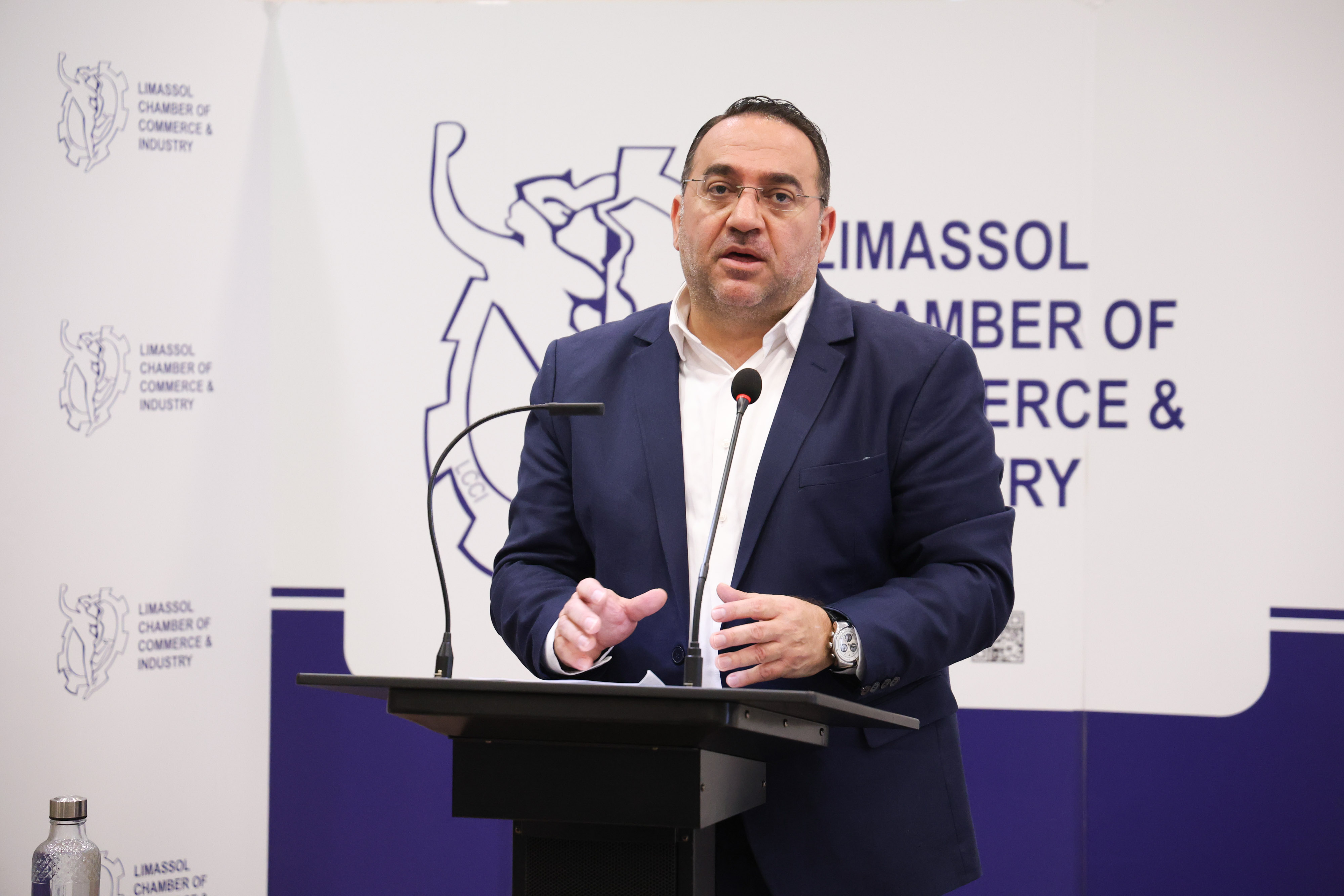
The meeting, organised by Cyprus’ Deputy Ministry of Tourism at the Filoxenia Conference Centre, was chaired by Deputy Tourism Minister Kostas Koumis, as ministers and senior officials exchanged views on the challenges facing European tourism with the aim of strengthening coordination and helping shape future policy.
The meeting focused on the European Strategy for Sustainable Tourism, which is expected to play a central role in improving the sector’s resilience and competitiveness while also promoting more responsible and sustainable development.
The second part of the meeting turned to small and medium-sized enterprises, widely seen as the backbone of European tourism, and examined how they can be supported through the green and digital transition.
Entering the summit, Koumis described the meeting as “undoubtedly a historic moment for the Republic of Cyprus”, adding that it also marked an important point for the European tourism agenda as the EU moves towards what he said is its first strategy dedicated to sustainable tourism.
He said participants would have the chance to position themselves on “the current challenges faced by small and medium-sized tourism enterprises, the backbone of the European tourism ecosystem”.
In his address during the first session, Koumis referred to tourism’s significant contribution to the European economy, saying the sector accounts for around 5 to 10 per cent of EU GDP and supports about 25 million jobs, while recalling that tourism has recorded growth exceeding pre-pandemic levels.
However, he said the sector’s recovery had also exposed new strains. “The first, and in some cases, huge growth of the sector has brought to the surface new challenges, such as the environmental burden from climate change, the change in infrastructure and cases of overtourism in certain areas,” he said.
Koumis also struck a cautiously optimistic tone. Referring to the recent ceasefire, he said it had brought optimism and rekindled bookings in affected destinations, although general uncertainty remains in the global tourism landscape. Even so, he said the sector’s track record offered encouragement.
“Despite the negative consequences, the proven resilience of the sector in previous years creates a sense of optimism,” he pointed out.
He added that the Cyprus Presidency attached particular importance to tourism, recognising both its strategic value and its increased exposure to external shocks, including geopolitical instability, climate-related impacts and rapid technological change.
According to Koumis, the meeting came at a crucial moment as the European Commission prepares to adopt the first EU Strategy for Sustainable Tourism, which he described as an important step towards a more coordinated, more resilient and future-proof tourism policy at EU level.
He said the forthcoming strategy was expected to help shape “a more sustainable, more competitive and inclusive tourism model”, fully aligned with Europe’s environmental goals, while supporting local communities and strengthening the sector’s resilience in times of crisis.
He added that he was confident the informal ministerial meeting would provide valuable policy guidance and contribute substantially to the formulation of the strategy.
Meanwhile, European Commissioner for Sustainable Transport and Tourism Apostolos Tzitzikostas also struck a cautious tone, saying the meeting was taking place “in a difficult international context”, with the ongoing crisis in the Middle East already affecting travel and fuel prices, especially in the aviation sector.
He said this “reaffirms the urgent need to strengthen the resilience of the European tourism sector”, adding that resilience would be “one of the main aspects” to be addressed in the first EU strategy for sustainable tourism.
Tzitzikostas also framed tourism as a strategic pillar of the European economy, saying it offers enormous value to local communities, businesses and citizens, while remaining vital to the EU’s competitiveness, resilience and long-term economic stability.
He said the aim was for the European Union to remain “the leading tourist destination in the world, safe, easy, open, attractive, diverse, ready to face shocks and, of course, the unpredictability”.
Referring specifically to Cyprus, he said the island was “not only a leading European tourist destination, but it is also a safe and stable destination for all”.
The informal summit is expected to feed into the European Commission’s final proposal for a sustainable tourism strategy, which Tzitzikostas said is due to be presented in the coming months.
According to the programme, the first session focused on the strategy itself, looking at how the sector can be made more resilient and competitive without losing sight of sustainability goals. The second session then shifted to SMEs, with ministers discussing ways of boosting their resilience and supporting their digital and green transition.
That part of the discussions was also set to include the partial participation of Ukraine’s State Tourism Development Service and the secretary-general of the World Tourism Organisation.
Other officials arriving in Nicosia likewise stressed the importance of the meeting, while underlining that any future strategy should be practical and shared across member states.
Croatia’s Deputy Minister Monika Udovicic said that “for the first time we will talk more about the new strategy for sustainable tourism development at EU level”, adding that in what she described as a difficult period for tourism, member states must work together and set common goals.
Estonia’s tourism policy chief Kristina Jerjomina said her country was looking forward to guidance on the European strategy for sustainable tourism, which, she said, could strengthen the competitiveness and resilience of the sector. She also stressed that any solutions should be “practical, evidence-based and small business-friendly”.
From Greece, Tourism Minister Olga Kefalogianni said it was important, also at an institutional level, for tourism to gain the weight it deserves, describing it as a crucial sector for economies across Europe that supports employment, social cohesion and competitiveness.
She added that the European strategy should become one “that we will implement as member countries of Europe, so that we can have fair development”.
Kefalogianni also used her intervention to back Cyprus at a difficult moment, saying the presence of both herself and Deputy Tourism Minister Anna Karamanli reflected Greece’s practical support. She added that, despite the geopolitical conditions, Cyprus “always remains a safe and hospitable destination”.
Slovenia’s Director General at the Ministry of Economy, Tourism and Sports, Dubravka Kalin, likewise said the discussion was centred on the strategic document for sustainable tourism and on Europe as a destination, with particular emphasis on the role of small and medium-sized enterprises.
Spain, meanwhile, was expected to push a firmer political line. Deputy Tourism Minister Rosario Sanchez Grau said Madrid would express “a very firm position regarding the international conflict situation”, including “a clear no to war”, while also warning that the economic consequences were already being felt in several Mediterranean destinations.
She also emphasised the need for the European Union to work towards reducing dependence on fossil fuels and promoting sustainable aviation fuel.
The programme was set to conclude with a visit to the east coast, including stops at Ayia Napa Monastery, the Cavo Greco environmental information and education centre and Fig Tree Bay in Protaras.




Click here to change your cookie preferences