
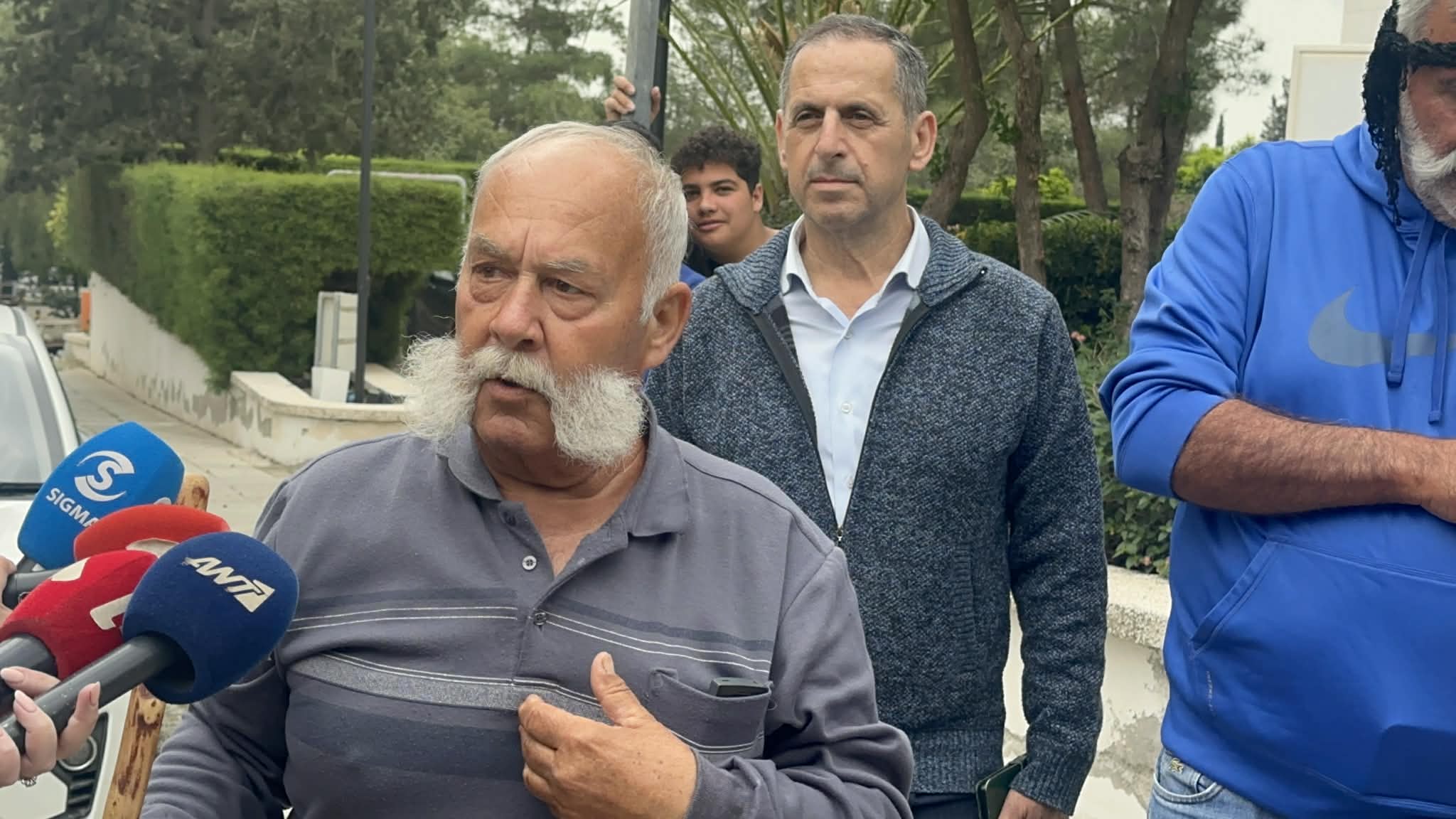
Cyprus’ main agricultural organisations have called on President Nikos Christodoulides to raise the issue of relaxing EU protocols on animal culling at the upcoming European Council meeting.
In a joint letter, the organisations PEK, EKA, Panagrotikos and Nea Agrotiki Kinisi urged that the matter be placed on the agenda of the EU heads of state summit, scheduled to take place in Cyprus on April 23–24, 2026.
“Unfortunately, despite the tireless efforts of all involved, the disease has spread from Larnaca to southern and western Nicosia, and no one knows how far it will extend,” the letter said.
The organisations warned that “if the same approach continues, fully implementing the existing EU protocol, it may ultimately lead to the destruction of the entire livestock sector, with severe consequences for halloumi, milk, meat and the Cypriot economy in general”.
They added that “the mass culling of all animals in infected units does not appear to have resolved the problem”.
The groups also pointed out that “Turkey and the occupied areas of the Republic of Cyprus do not apply EU protocols for tackling the disease”.
“We have raised this issue with EU Commissioner Oliver Varhelyi, stressing that since the EU funds the occupied areas, it should also monitor and enforce its regulations,” they said. “He responded that he would examine the matter, but unfortunately to date we have seen no results.”
The organisations stressed that the priority should be to stabilise the epidemiological situation and avoid mass culling.
They added that the aim should be “the identification and removal of infected animals without killing animals that test negative for the disease but positive for antibodies from previous infection”.
“The foot-and-mouth disease has arrived and will remain in Cyprus, due to Turkey and ongoing illegal transactions with the occupied areas,” the statement said. “To protect livestock farming and the wider economy, conditions compel us to consider alternative proposals and to stop the mass culling of animals,” it concluded.
Meanwhile, the agriculture ministry said it remains committed to supporting livestock farmers amid the ongoing crisis.
A meeting was held on Tuesday between the director-general of the agriculture and rural development directorate at the agriculture ministry Andreas Gregoriou, and a four-member delegation of livestock farmers who had participated in a protest outside the ministry last Sunday.
During the meeting, Gregoriou provided a full briefing on the implementation of EU Regulation 2020/687 concerning measures to tackle foot-and-mouth disease, as well as on compensation schemes.
Explanations were given on biosecurity measures and the need for strict compliance, sampling procedures, tracing of positive cases, vaccination, as well as the methodology for advance payments and compensation for income loss. The discussion also covered compensation for milk, hay and animal feed, based on a relevant cabinet decision.
The livestock farmers submitted a number of proposals and demands aimed at addressing the situation, which were recorded and are to be evaluated.
The delegation was also assured that the ministry “will remain by the side of livestock farmers”, continuing efforts both to contain the spread of the virus and to plan the rebuilding of livestock populations, under the guidance of a special scientific committee.



Click here to change your cookie preferences