
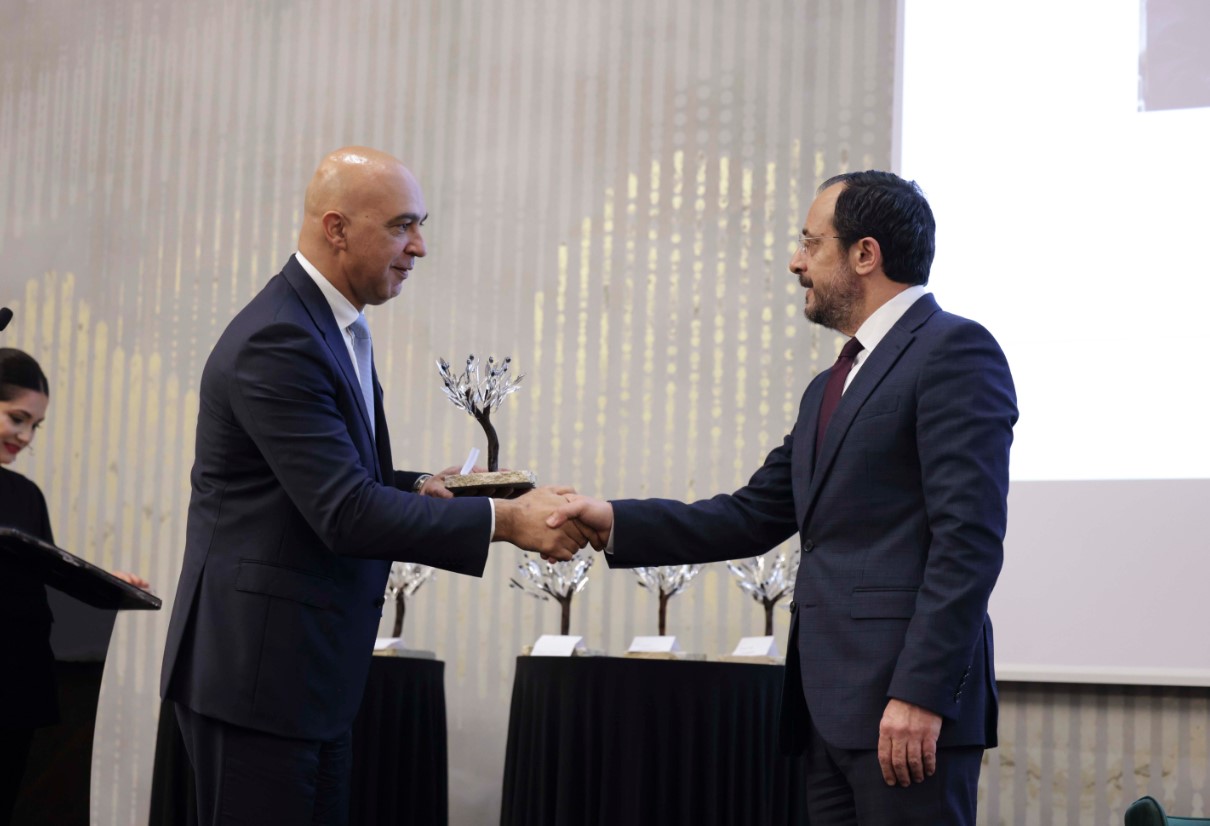
President Nikos Christodoulides addressed an event marking the 30th anniversary of the Cyprus Securities and Exchange Commission (CySEC) on Wednesday evening, highlighting its role as a cornerstone of the country’s financial architecture.
“The Cyprus Securities and Exchange Commission constitutes a cornerstone of our financial architecture,” the president said.
He emphasised that European capital markets are at a critical juncture, pointing to initiatives such as the Savings and Investments Union and the green and digital transition as forces set to reshape market dynamics.
“In this changing landscape, our challenge is to strike the right balance,” he said.
“We must enhance market efficiency and competitiveness, but never at the expense of integrity, investor protection or financial stability,” he added.
Moreover, he stressed that in this evolving environment, “the Cyprus Securities and Exchange Commission must continue to develop as a modern and proactive supervisory authority, contributing to European regulatory thinking and serving as a reliable authority for investors and market participants”.
“Its journey over these three decades also demonstrates an important lesson that within the European Union, credibility is not a function of size, but of professionalism and commitment to the rules,” Christodoulides stated.
“This is where smaller member states can exercise real influence through the quality of their supervision and their credibility,” he added.
He described the anniversary as “a moment of pride, reflection and responsibility“, underlining that supervision is a continuous effort requiring vigilance and decisive action, while congratulating the commission on reaching this milestone and wishing it continued success.
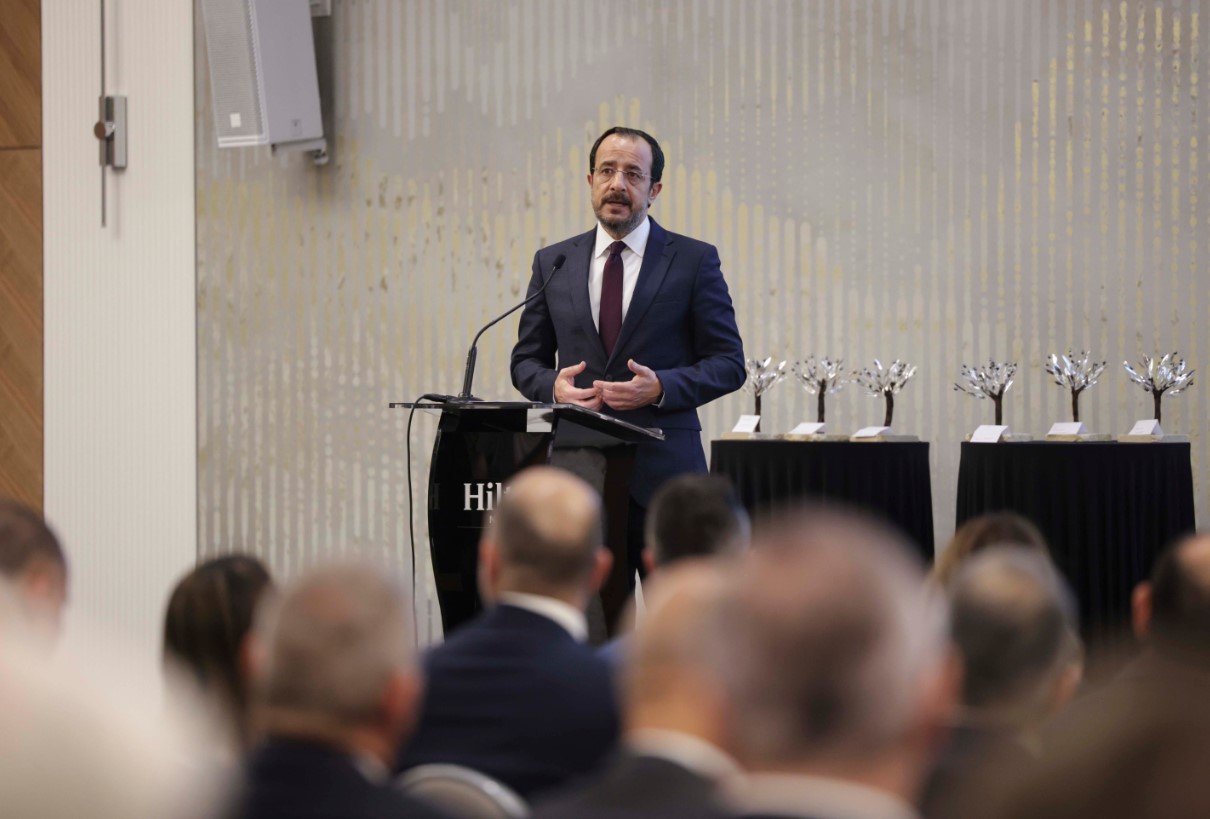
He further stated that “by ensuring effective supervision and legal certainty, the commission strengthens investor confidence and Cyprus’ position as a reliable destination for high-quality investment”.
He added that “this supports a key government priority to transition the economy towards a more productive, resilient and knowledge-based growth model“.
“It stands out as a cornerstone of our financial architecture, as an essential institution whose role is not merely symbolic but substantive, requiring continuous vigilance and decisive action,” he said.
He also highlighted that in a European Union seeking deeper capital markets integration, effective national supervisory authorities remain essential.
He pointed out that through active cooperation with the European Securities and Markets Authority and European counterparts, the commission has “demonstrated that smaller jurisdictions like Cyprus can be reliable, constructive and credible partners”.
During the same event, CySEC chairman George Theocharides outlined a strategic vision to position Cyprus among the safest, most reliable and progressive investment destinations.
“Our vision is to position Cyprus’ securities market among the safest, most reliable and progressive investment destinations,” Theocharides said.
He explained that the strategy is based on supporting sustainable capital market development and strengthening trust through responsibility, innovation and financial education.
What is more, the CySEC chairman stressed that investor confidence lies at the core of this vision, linking it directly to effective supervision, transparency and investor protection.
He pointed out that the strategy aligns with broader government priorities to enhance Cyprus as a resilient, competitive and internationally connected economy, with emphasis on innovation, sustainability and high-quality financial services.
Theocharides added that “achieving this vision requires not only strong regulatory frameworks but also continuous investment in financial literacy and market integrity”, ensuring both institutional and retail investors operate in a safe and transparent environment.
He also highlighted the importance of responsible innovation, ensuring that new technologies and services develop without undermining stability.
Moreover, Theocharides referred to the commission’s role in supporting the growth of the investment sector, which now includes more than 800 supervised entities, while ensuring a secure, transparent and well-regulated environment.
He said the authority is increasingly focusing on emerging sectors such as fintech, digital finance and crypto-assets, aiming to balance innovation with risk management.
Theocharides pointed to the commission’s regulatory sandbox as an example of this approach, allowing controlled experimentation in areas such as blockchain, artificial intelligence and digital infrastructure, while maintaining effective oversight.
Addressing challenges, he warned that investor protection in the digital age is a key issue, stating that “while technology has improved access and reduced costs, it has also enabled misleading practices, unsuitable offerings and increasingly sophisticated cross-border fraud”.
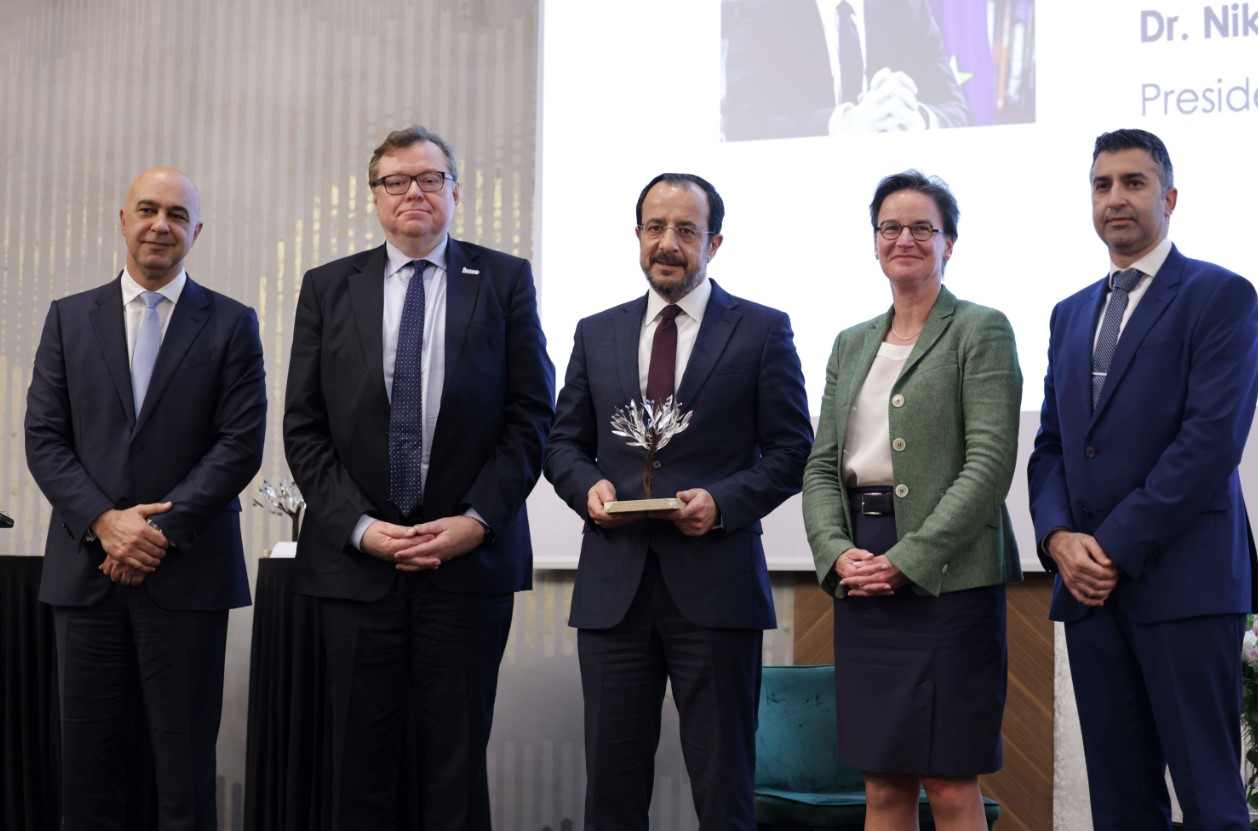
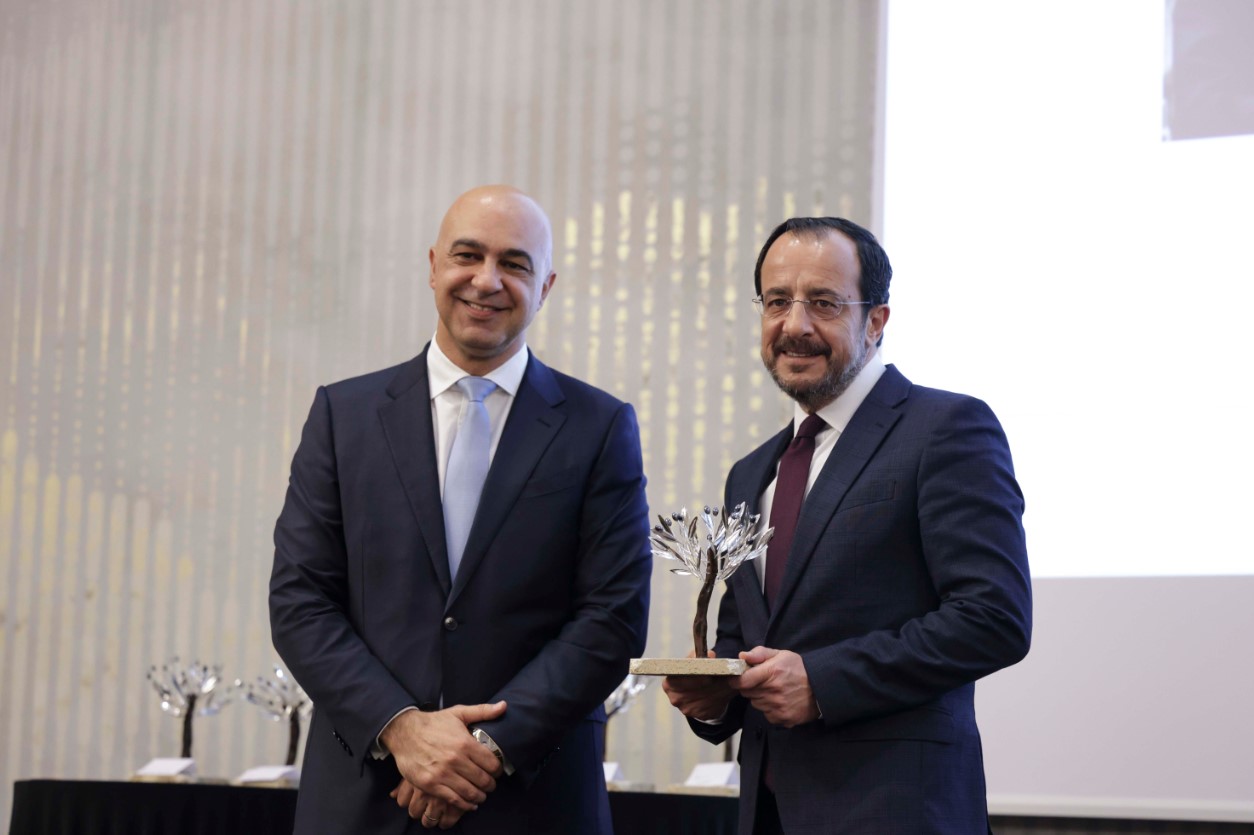
“Regulatory frameworks must evolve alongside technological developments,” he said.
He added that “financial literacy, particularly in high-risk areas such as crypto-assets, remains essential to ensure informed and responsible market participation”.
Theocharides further underlined that the rapid growth of digitised financial products is transforming the sector, creating both opportunities and risks.
“Regulators are required to achieve a careful balance between supporting innovation and ensuring adequate safeguards,” he said.
He also stressed the importance of market integrity, warning that in an increasingly digital and interconnected environment, misleading promotions, market abuse and fraudulent schemes can spread rapidly across jurisdictions and platforms.
“This necessitates stronger enforcement and enhanced cross-border cooperation,” he stated.
Reflecting on the commission’s evolution, he stated that it has grown from a small organisation in 1996 into a modern regulator with more than 200 professionals, fully aligned with the European supervisory framework.
The event also featured participation from European and international regulatory figures, including European Securities and Markets Authority (ESMA) chair Verena Ross and International Organisation of Securities Commissions (IOSCO) chair Jean-Paul Servais, who discussed technological developments and regulatory trends.
Additional panel discussions included European regulators such as Carlo Comporti of Italy’s CONSOB, Claude Marx of Luxembourg’s CSSF, and Hellenic Capital Market Commission chair Vasiliki Lazarakou, offering insights into the challenges facing European capital markets.





Click here to change your cookie preferences