
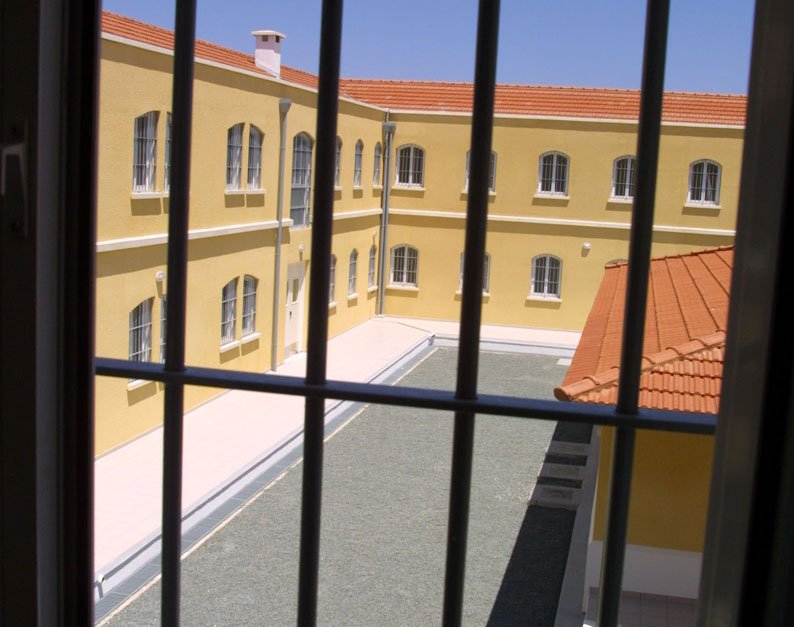
Prison cells in Cyprus are on average the most overcrowded in the entire European Union, according to data released by the EU’s statistics agency Eurostat on Thursday.
Cyprus’ prison has an occupancy rate of 227.6 per cent – a figure which dwarfs the second-highest rate of 134.2 per cent, recorded in Slovenia, and France’s rate of 129.3, which sees it rank third.
A rate of over 100 per cent means that a prison is holding more inmates than it was designed to hold. Cyprus’ rate – more than 200 per cent – means that it is holding more than twice the number of inmates than it has capacity for.
At the other end of the scale, the lowest prison occupancy rate across the bloc was recorded in Estonia, which has an occupancy rate of just 49.9 per cent, while Lithuania and Luxembourg had similarly low rates of 67 per cent and 67.4 per cent respectively.
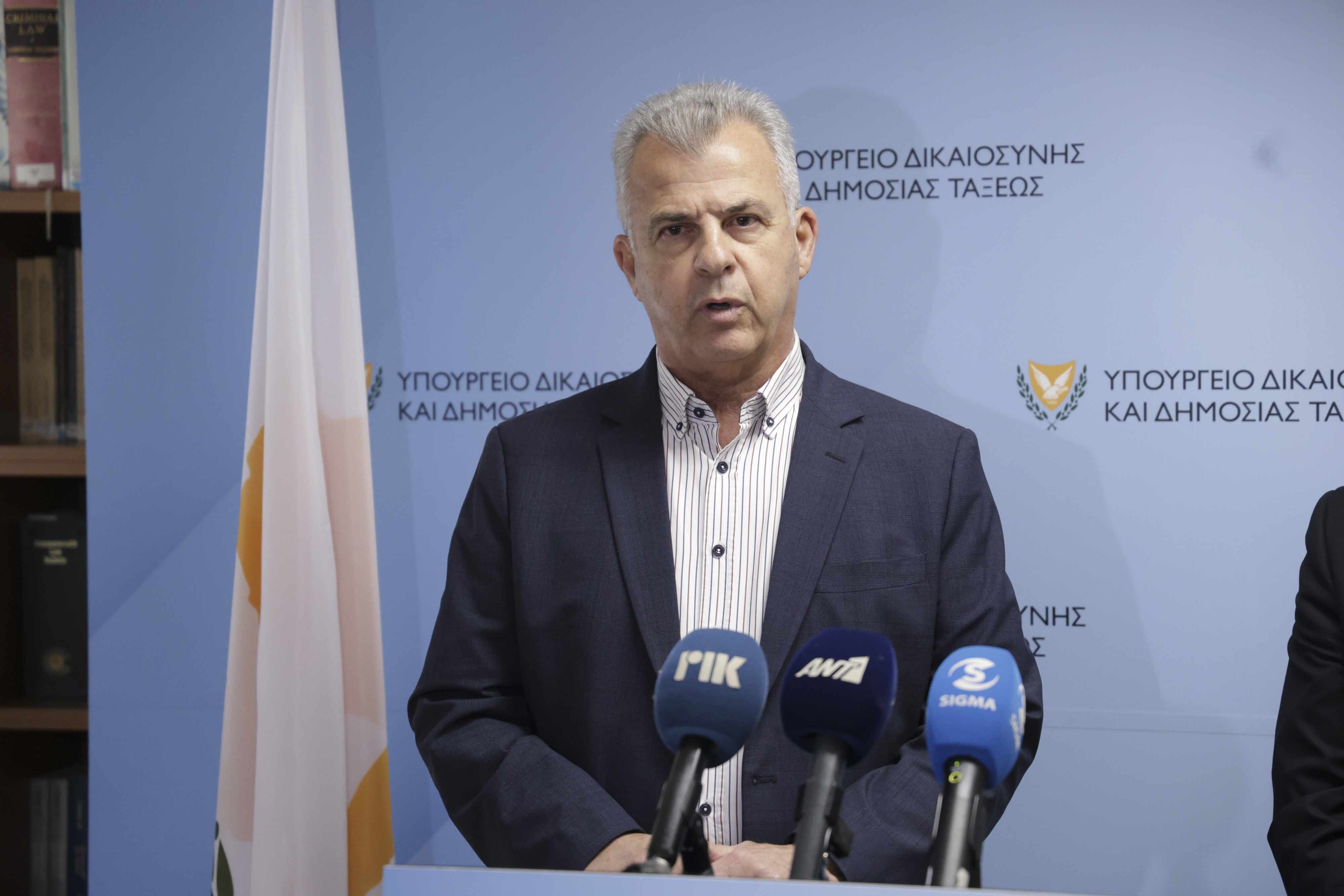
The statistics’ release comes after Justice Minister Costas Fitiris had said last month that the central prison and other holding facilities on the island are full, and that the government is now “trying to find solutions”.
Among the solutions sought is the planned construction of a new prison near the Nicosia district village of Mathiatis, though Fitiris had said in March that this may take four or more years to build.
However, the village’s mukhtar Theodoros Tsatsos said that he has not agreed to the plans, and that they can only go ahead with the village’s consent.
He argued that there is no space left in the village, which already hosts two army camps, archaeological sites, churches, and farms.
Earlier, the Council of Europe’s committee for the prevention of torture had warned of “serious problems” at the existing central prison in Nicosia and said it had “grave concerns” over “the high levels of inter-prisoner violence” at the facility.
It spoke of a “failure of prison staff to ensure the safety of those in custody” and said that this has been brought about in part thanks to a “chronic shortage of frontline officers”.
This shortage, it said, “has allowed stronger prisoner groups to dominate and impose informal punishments, undermining safety and order”.
It added that living conditions for inmates at the prison “remain very poor” and are “affected by severe overcrowding” and said that “up to four prisoners” share cells of less than six square metres in area.
In those cells, it said, “two persons are forced to sleep on mattresses on the floor, when such cells are scarcely sufficient for one person”.
Additionally, it said that access to toilets in the prison is “inadequate” for inmates, and that more than half of the prisons’ blocks are “lacking in in-cell sanitary facilities”.
The report also referred to the situations faced by children and young adults who are incarcerated in Cyprus, saying that the conditions in which they are held are “unsuitable and unhygienic”.
“Some minors have been sleeping on mattresses on the floor in mouldy, graffiti-covered cells and lacked access to education or purposeful activities. Many children reported being cold, hungry, and bored,” it said.
As well as the central prison, the report also highlighted issues faced at other detention facilities on the island, stating that people “continue to be detained in police custody for prolonged periods, in many cases for months, in conditions which were usually appropriate only for a few days”.
“Most detained individuals stated that they were treated correctly by the police; nevertheless, a few allegations of physical ill-treatment and verbal abuse were received. The authorities should reinforce a zero-tolerance policy towards any ill-treatment practices,” it said.
The Pournara migrant reception centre was also referred to by the report, which stated that the situation “had vastly improved” since the committee visited it last in 2023.





Click here to change your cookie preferences