
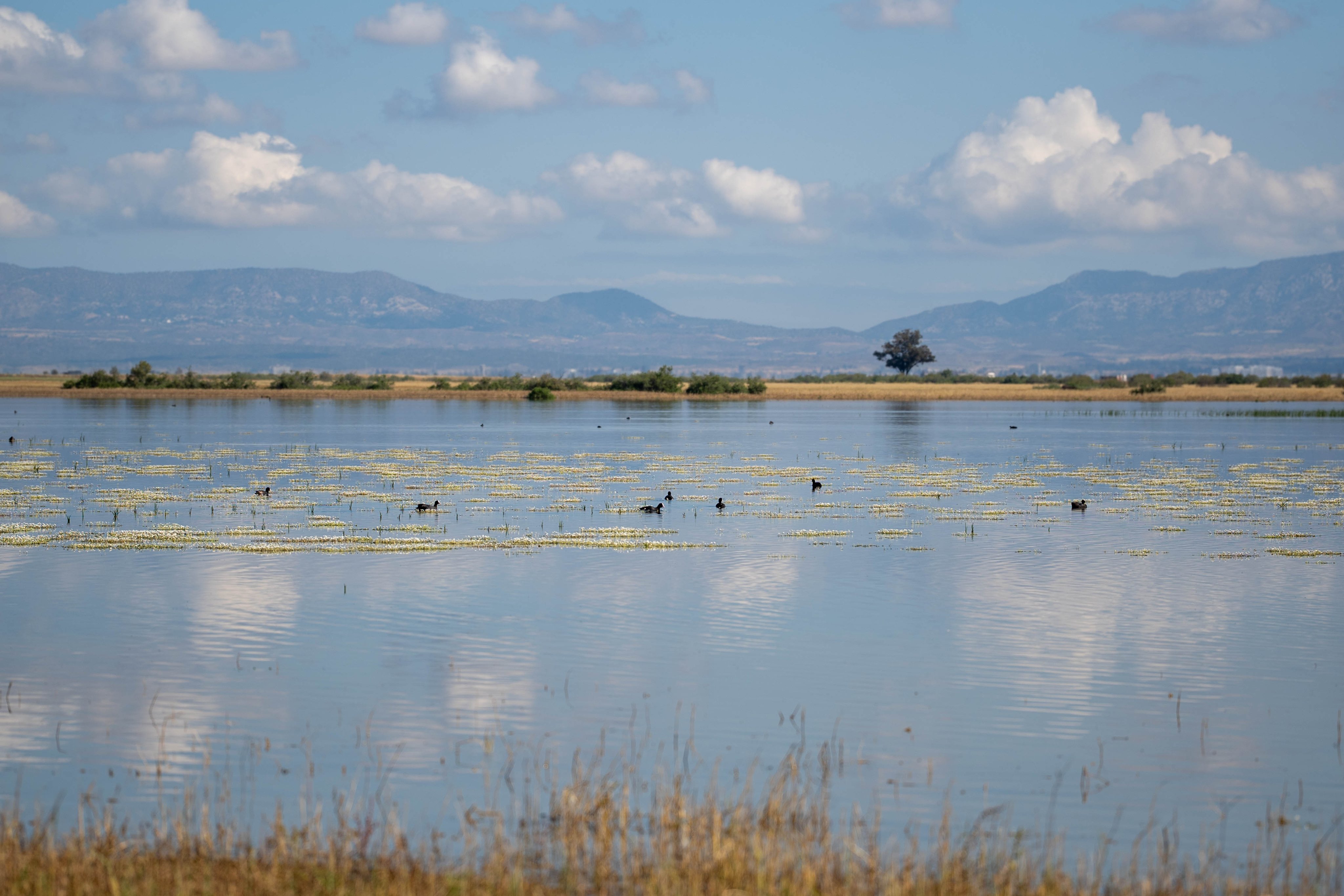
Wildlife is returning to the historic Kouklia reservoir, in the Mesaoria plain, following recent rainfall and restoration works that have brought water back to the long-degraded wetland.
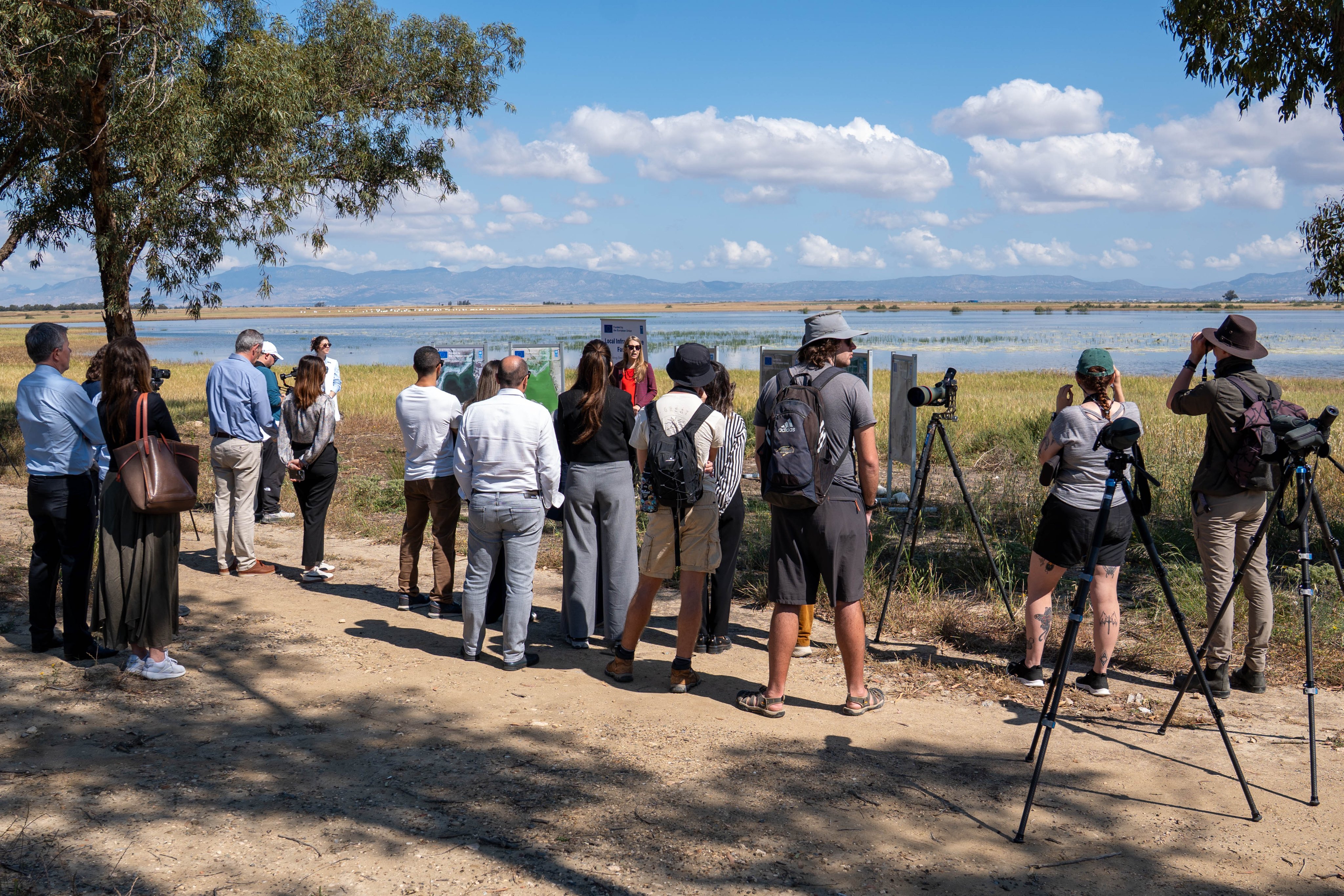
According to the announcement by the United Nations Development Programme, local stakeholders, environmental experts, bird protection groups, nature enthusiasts and communities working to safeguard wetlands gathered at one of Cyprus’ oldest reservoirs, located in the Kouklia wetlands, where recent rainfall has brought water back to the area.
Birdlife has been among the first to benefit; seasonal water has already begun attracting migratory species while the improved conditions are also expected to support amphibians and small mammals that depend on freshwater habitats.
Environmental groups say such wetlands are vital stopover points along migratory routes, particularly in a region like Cyprus where water bodies are limited and increasingly affected by drought.
“This project strengthens climate resilience while supporting a reservoir that has, over time, become a valuable habitat for wildlife and biodiversity. Initiatives like this are essential to support sustainable development across Cyprus, particularly in the face of climate change,” Project Manager at UNDP Alexandre Prieto, stated.
Meanwhile the Head of the Cyprus Settlement Support Unit at the European Commission, Giulia Bertezzolo, highlighted the event’s significance stating that it “brings together those responsible for water management and those committed to environmental protection, reinforcing a shared understanding that sustainable solutions must balance both needs”.
The project was completed in October 2023 and continues to contribute to improving environmental conditions in the area.
The Kouklia reservoir, constructed in 1900, is one of the oldest and largest in Cyprus. While originally built as a water infrastructure project, it has over time evolved into an important habitat for wildlife. However, years of limited maintenance led to its degradation, reducing its effectiveness particularly under the pressures of climate change.
The restoration works addressed these challenges through the repair of key infrastructure, installation of a new water control system, the addition of a bridge, and improved access and monitoring, allowing the reservoir to operate more efficiently during periods of low rainfall. Today, the reservoir plays a dual role supporting water retention while also providing a valuable habitat for wildlife.




Click here to change your cookie preferences