
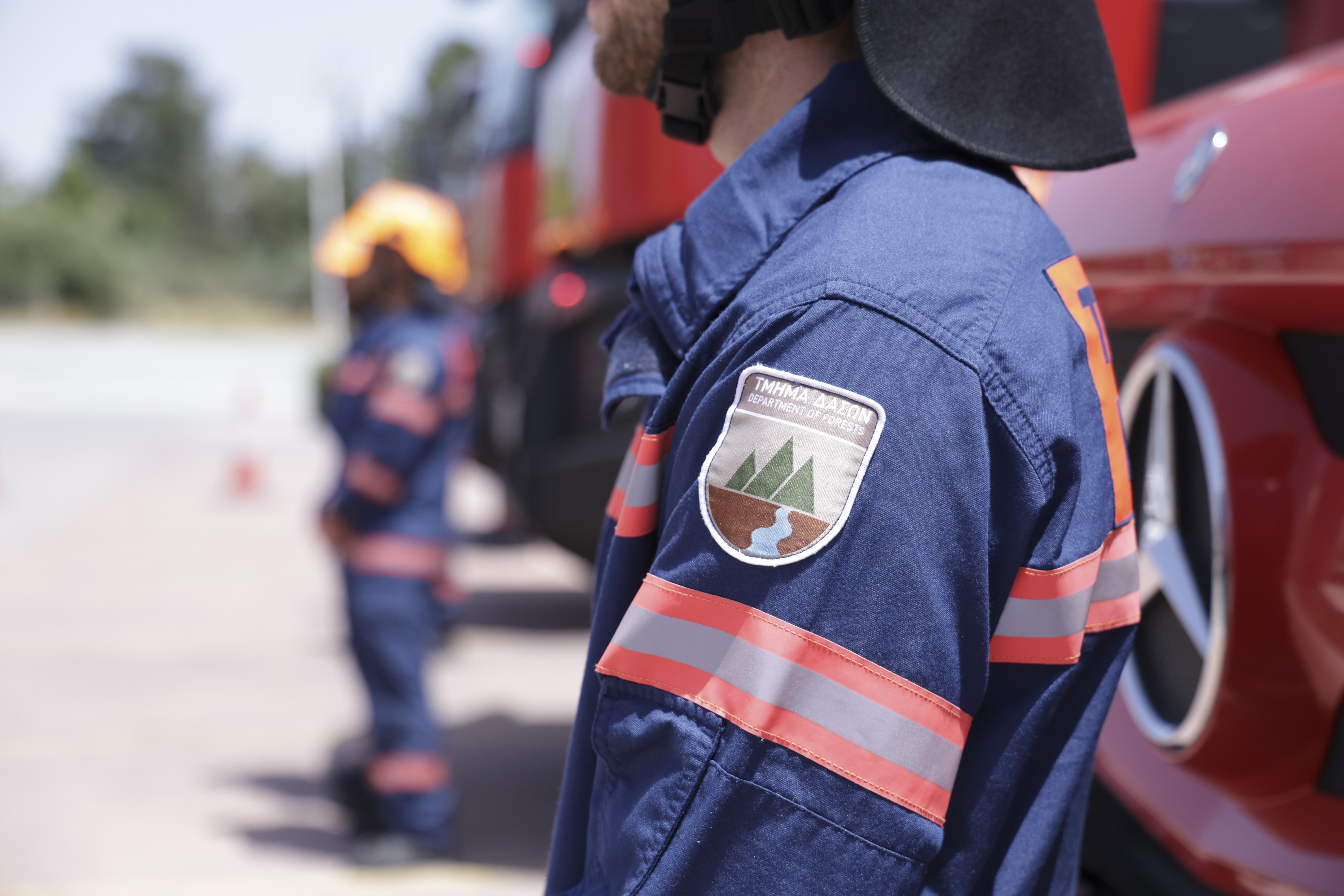
Cyprus will deploy 13 firefighting aircraft this summer alongside new artificial intelligence detection systems and a nationwide SMS alert network, fire brigade chief Nikos Logginos said on Tuesday following a roundtable discussion at the presidential palace on wildfire preparedness.
The meeting, chaired by President Nikos Christodoulides, reviewed operational capabilities and preventative measures ahead of the summer fire season.
Logginos said authorities had strengthened coordination and prevention efforts following an assessment of last year’s fires.
“There is always room for improvement,” he admitted, adding that this year’s strategy focused on addressing weaknesses identified during previous operations.
He said Cyprus remained highly vulnerable to wildfires, with human activity responsible for more than 90 per cent of incidents, and around 5,000 fires recorded annually across the island.
“The effort must focus on prevention,” he said, stressing that public awareness and early intervention were essential in limiting destruction.
According to Logginos, the fire brigade and the forestry department have had aircraft operational since April, while ground units remain on constant standby to respond during the critical first minutes of an outbreak.
Community leaders have been instructed to clear firebreaks, remove dry vegetation and ensure emergency access routes remain open.
Logginos said illegal rubbish dumps continued to present a serious hazard, with around 850 sites identified by local authorities and the environment department. Funding has been allocated for clean-up operations and monitoring.
“If possible, these should be eliminated entirely,” he said.
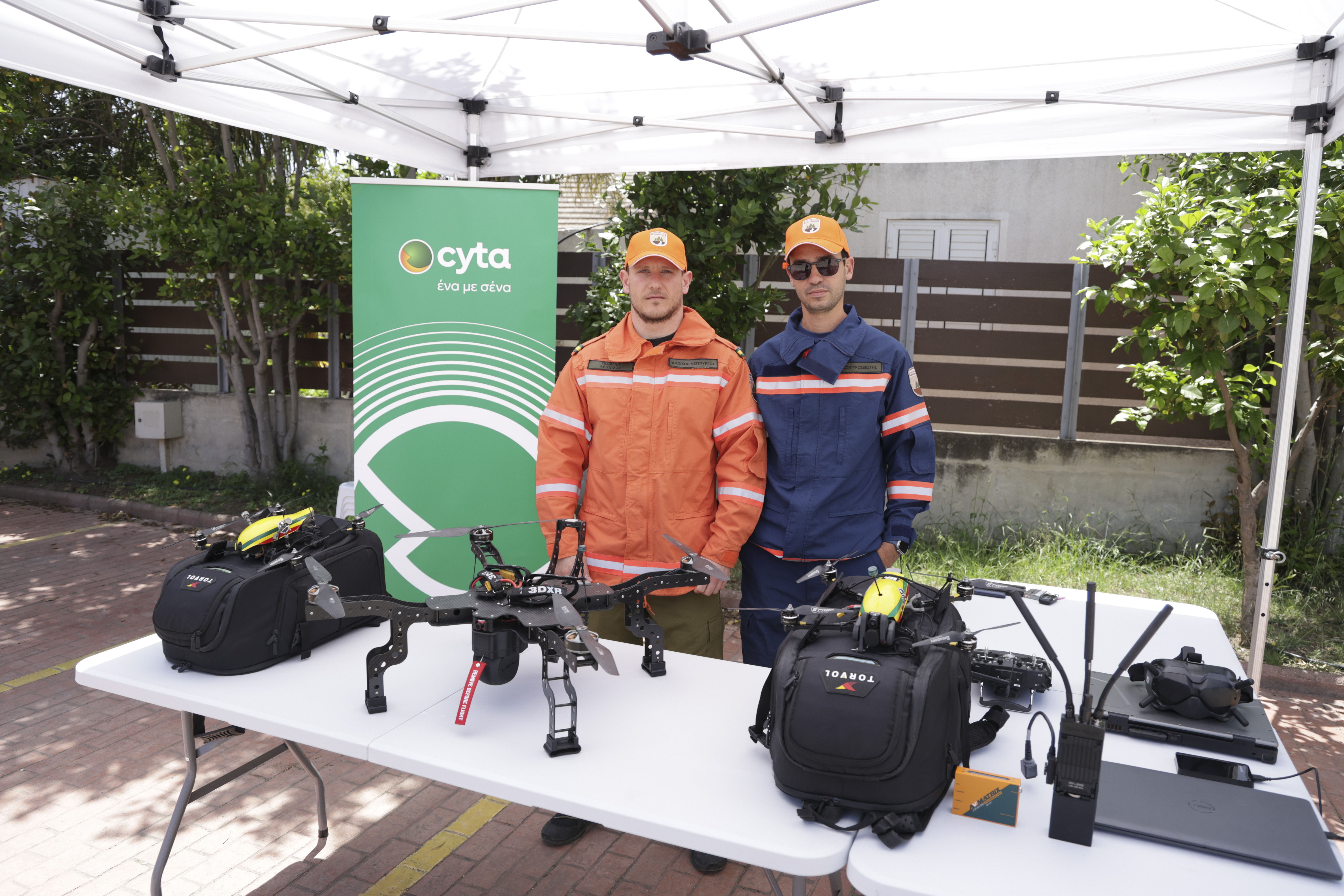
A central part of this year’s strategy is the introduction of AI based systems capable of detecting smoke sources as small as one square metre.
Four pilot systems are already operating and currently cover about 80 per cent of uninhabited areas of the government-controlled areas.
An additional 13 systems are planned for industrial zones, with wider expansion dependent on approval from the finance ministry.
The programme itself is expected to cost around €800,000.
Logginos also confirmed that a new automated SMS warning system will begin pilot operations in June through the CY alert platform.
Residents in affected areas will receive evacuation instructions and emergency warnings.
“For the first time, the public are being trained on how to respond to evacuation instructions,” he said.
Volunteer groups have also been formally integrated into firefighting operations, while an additional 60 hourly firefighters have been recruited to strengthen rural coverage.
“We are ready, but we will continue to improve as we work,” Logginos affirmed, adding that the primary objective remained to extinguish fires before they developed into major incidents.





Click here to change your cookie preferences