
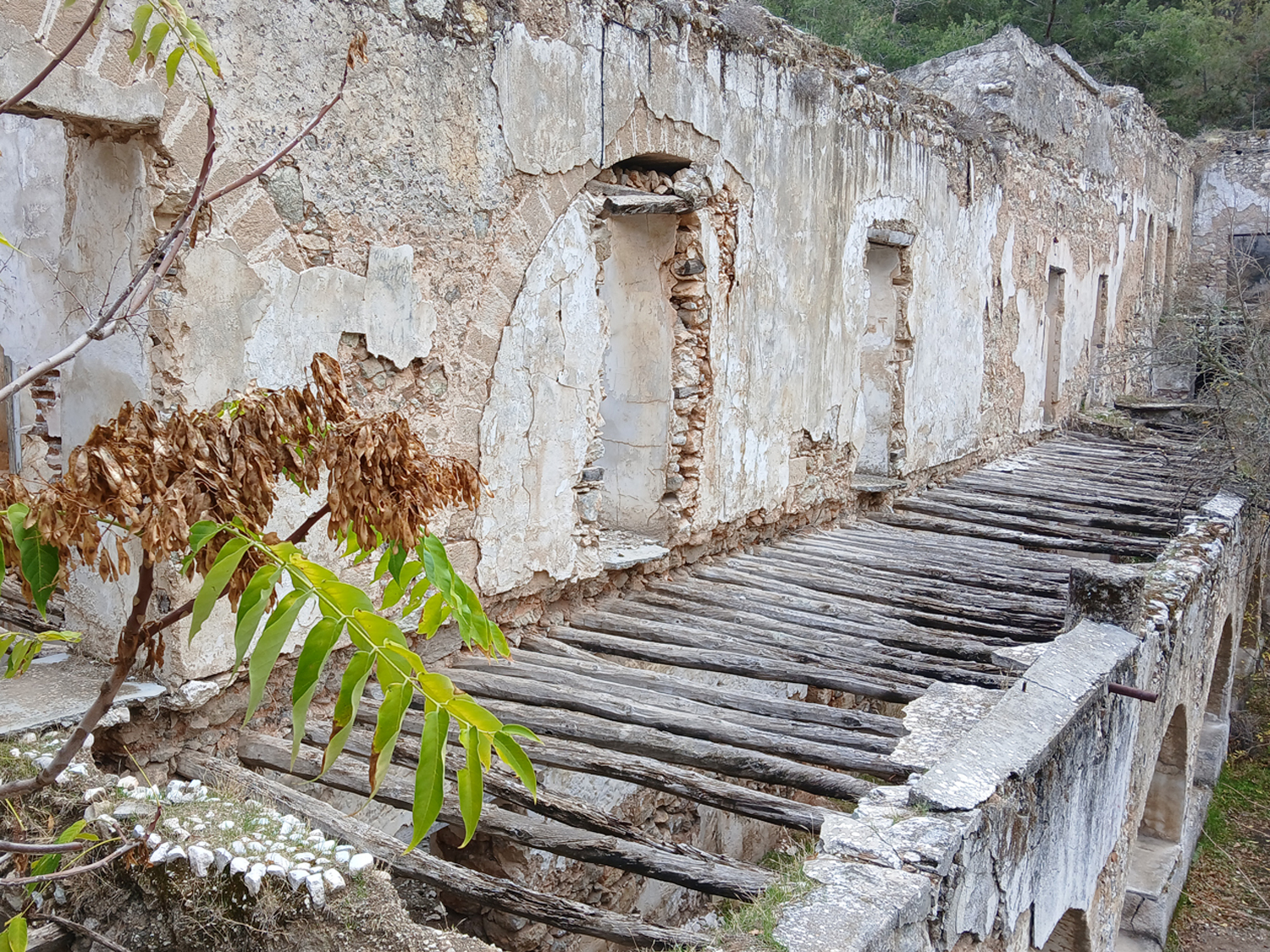
Efforts to restore the historic Sourp Magar monastery are actively underway as Armenian church representatives, heritage experts and members of the Armenian community renewed calls for urgent intervention to prevent the medieval complex from collapsing.
The monastery, known also as Magaravank, is situated in the Pentadaktylos mountains overlooking the Kyrenia coastline and has remained in a state of dilapidation since the Turkish Invasion of 1974.
Restoration advocates warn that roofs have already collapsed, walls are cracking and vegetation is penetrating deep into the structure, placing sections of the complex at risk of irreversible loss.
Speaking to the Cyprus Mail following a recent fundraising event at the Armenian Prelature in Strovolos, chairman of the renovation committee Parsy Zartarian described the site as part of the shared history of Cyprus rather than solely an Armenian monument.
The project has attracted increasing interest from both local organisations and the wider Armenian diaspora abroad.
Since the start of the fund-raising campaign was launched in January 2026, the bicommunal Technical Committee on Cultural Heritage (TCCH) has initial pledges of financial support from Cypriot and overseas institutions for €1 million, with the current objective to raise the balance by €500,000 by July 31st.
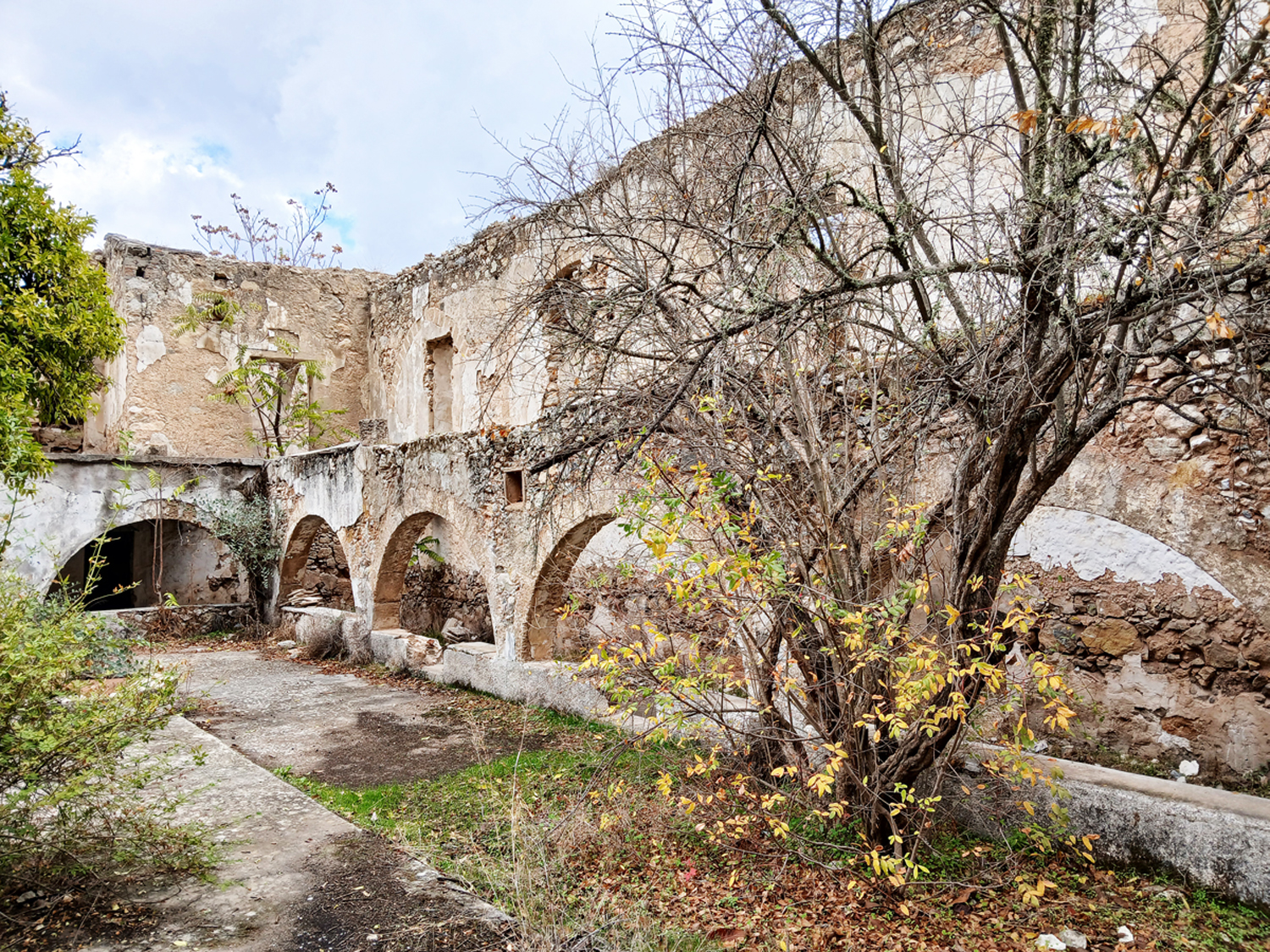
“I called my presentation ‘The Stones That Never Forget’ because when I visited the monks cells which are the oldest part of the monastery I thought of the monks praying for hours, the masons and the thousands of pilgrims who visited the chapel and lit candles in front of the holy icon of Saint Magar, I felt the sheer weight of history on my shoulders.”
Zartarian explained that restoration plans were first advanced through the TCCH in 2018, with tenders issued the following year.
Work began in early 2020 but stalled after the Covid pandemic and later due to contractual disputes between the contractor and the United Nations Development Programme (UNDP Cyprus).
“In 2025 we revived the project through online campaigns with #SaveSourpMagar which raised awareness about our monastery, and in April 2025, President Nikos Christodoulides appointed me as the first Armenian Cypriot to be member of the TCCH, which was an indication that our monastery is back on the agenda,” Zartarian said.
“There are many who argue that we should not restore sites in the north due to the unresolved political situation on the island,” he said.
“Though I respect this opinion, I ask those who wish to wait for the Cyprus problem to be resolved and should in the meantime this monument collapse into ruins, what will we tell future generations? That we allowed this unique medieval monument to disappear because of our own convictions and ideology?”
Architectural and engineering studies prepared between 2018 and 2019 identified serious structural deterioration throughout the monastery complex, including damage caused by water infiltration and collapsing timber roofing.
The proposed restoration project includes stabilisation works to the most vulnerable structures, as well as restoration of the chapel itself.
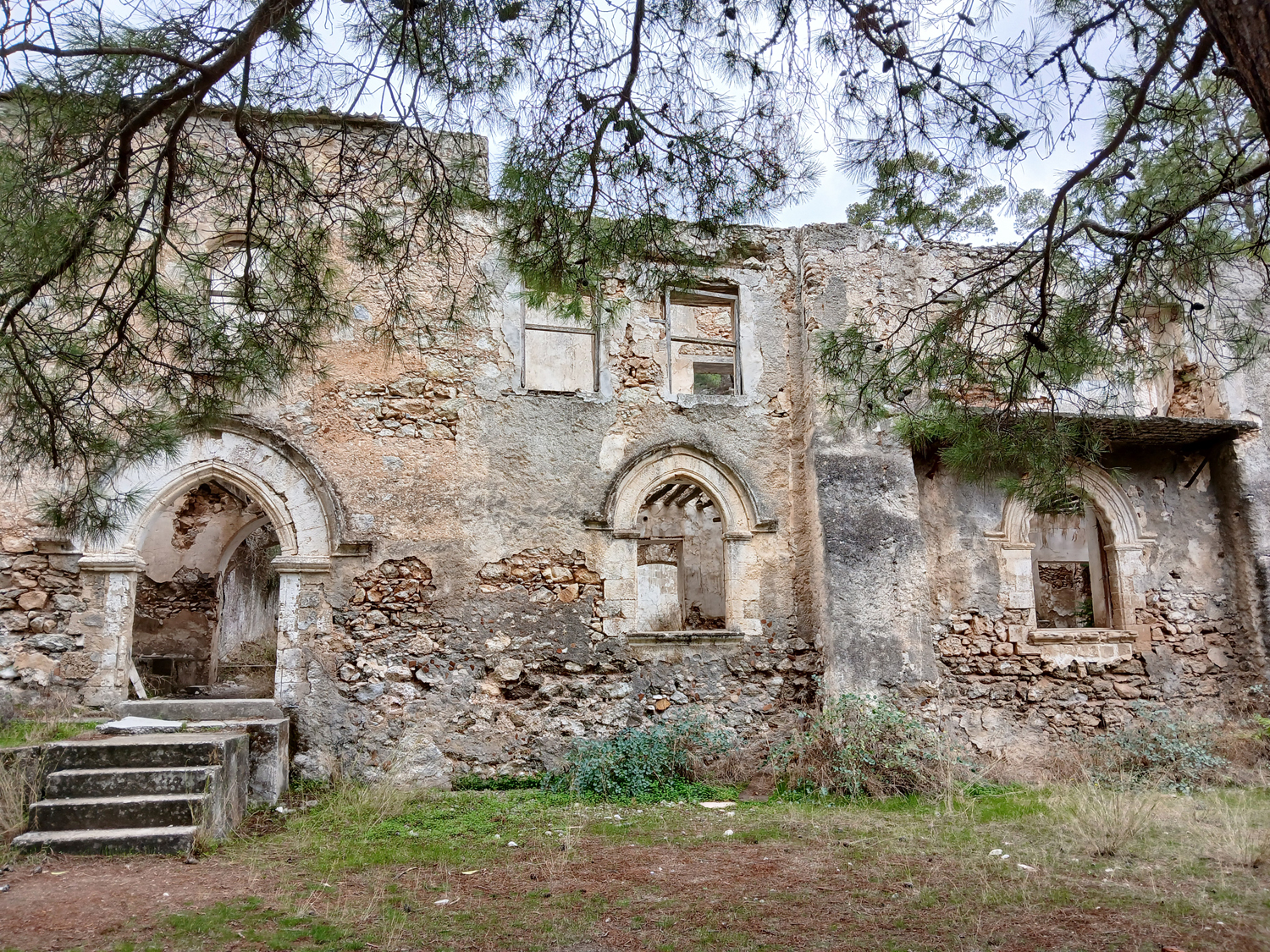
The monastery dates back to the 11th century and was originally associated with Coptic and Armenian monks who were living in nearby caves, before passing into the ownership of the Armenian Church of Cyprus during the late mediaeval period.
Historical records connect the site to the Lusignan era, while Ottoman decrees granted the monastery protection, tax exemptions and rights to cultivate orchards around the complex.
Zartarian described such privileges as remarkable for a Christian institution during the Ottoman era, most likely due to the cordial relations at the time between the Armenian community and the Turks.
Advocates argue the monastery reflects the island’s multicultural and multi religious history and forms part of Cyprus’ intangible historical identity.
In his presentation, Zartarian emphasised that “the restoration of Sourp Magar carries meaning beyond the survival of stone walls,” he said.
“It represents an act of respect toward the past and a responsibility toward the future.”
He said that when restored, the monastery would stand as “proof that Cypriots chose preservation over neglect, responsibility over indifference and mutual respect instead of religious intolerance”.
The fundraising campaign is being organised by a special committee established by Archbishop Gomidas Ohanian of the Armenian Church of Cyprus as well as the Armenian community representative in parliament, Vartkes Mahdessian.
The committee has spent recent months engaging with both Armenian and international organisations in Cyprus as well as overseas to raise awareness and secure financial support.
The recent event in the Armenian Prelature in Strovolos brought together members of the Armenian, Greek Cypriot, Turkish Cypriot, Maronite and Latin communities.
Presentations included scientific analysis of the wood used in the monastery’s construction and digital modelling work carried out by researchers from the Cyprus Institute, alongside updates on the restoration project proposed by both the TCHH and UNDP Cyprus.
Zartarian said the successful completion of the Sourp Magar renovation project demonstrates how heritage preservation can function as a bridge between communities.
“This is exactly the mission of the Technical Committee of which I am a proud member. We believe that the same hands that repair minarets can repair bell towers and that working together as Cypriots, we can preserve our heritage.”
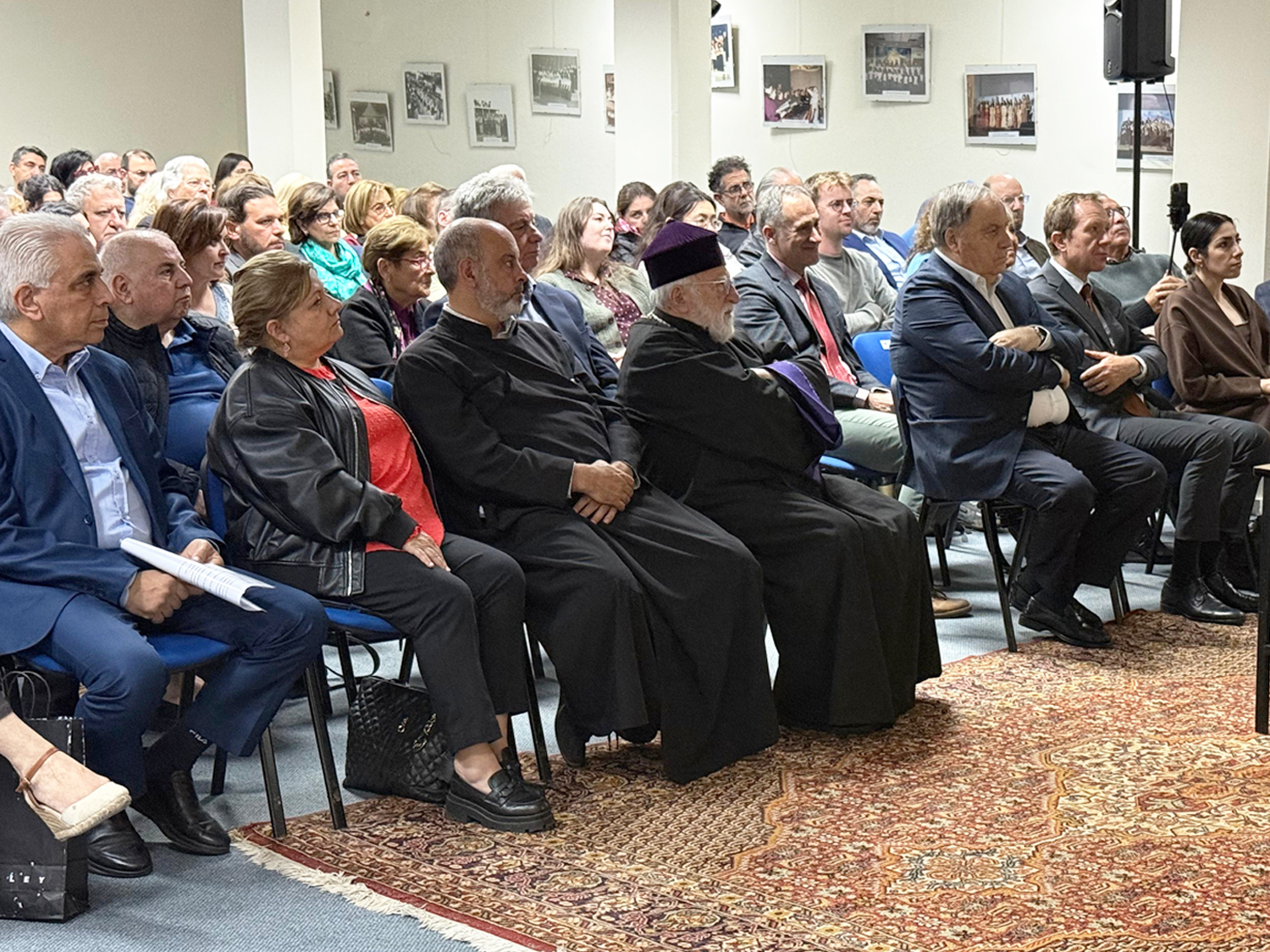
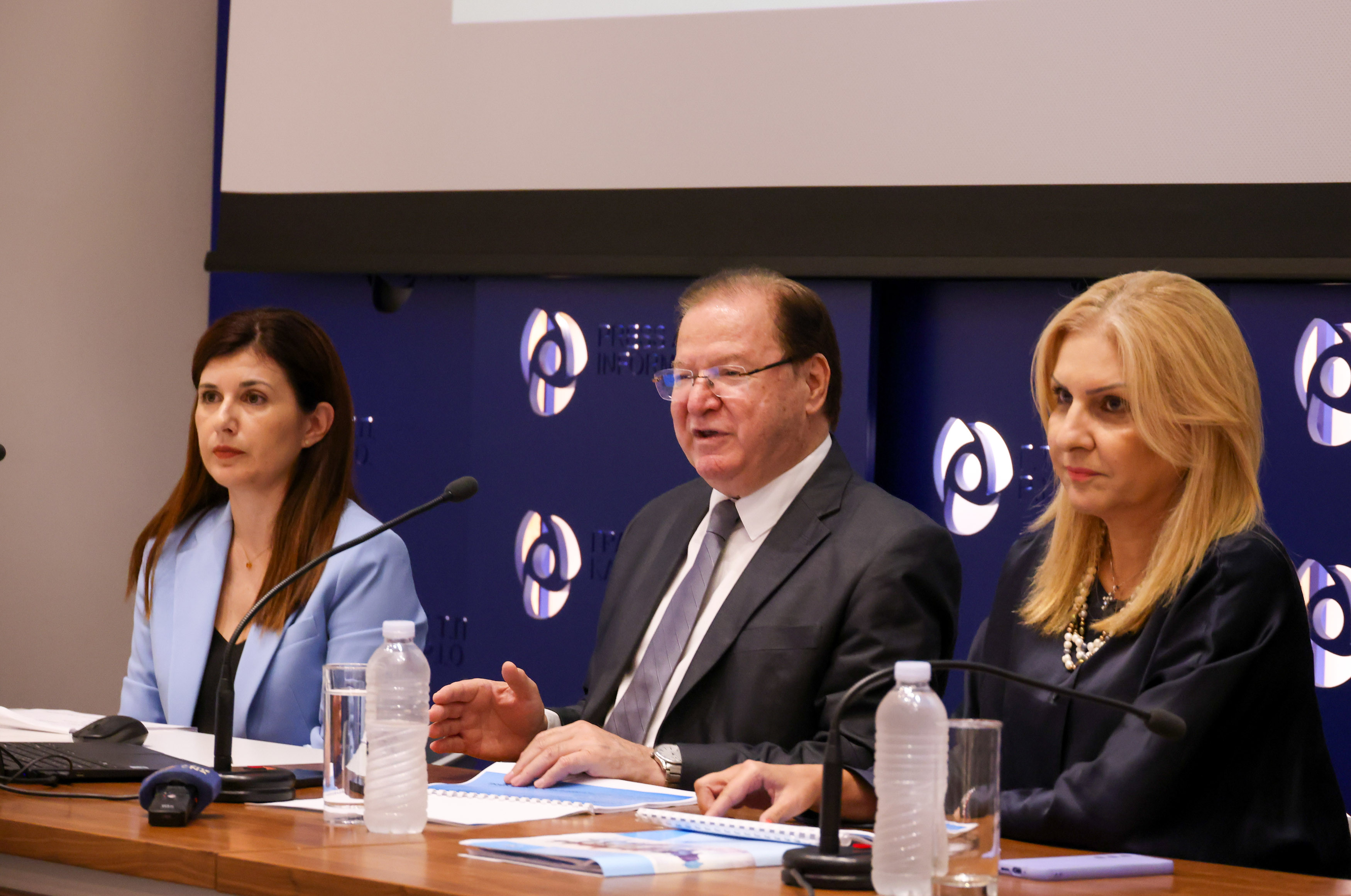
A recent fundraising event at the Armenian Prelature in Strovolos
He also stressed the broader significance of protecting monuments across the island regardless of political divisions.
“The heritage does not belong only to one community, it belongs to all Cypriots and, ultimately, to humanity,” he remarked.
Sourp Magar remained active well into the 20th century and served as a spiritual and social centre for Armenian Cypriots.
Families gathered there for pilgrimages, baptisms and summer visits, while scouts and youth groups stayed on site during community activities.
Following the Turkish invasion of 1974, Armenian Cypriots lost access to the monastery and the site gradually deteriorated to a state of near ruin.
Zartarian said there is still time to save the monastery if financial support is secured quickly.
He ended his presentation with a passionate appeal to the Armenian community and to all Cypriots, to come together and contribute to the renovation project with pledges by July 31, 2026.
“We set this deadline, so that tenders can be announced and new contractor appointed by the end of this year. This is not just about stones and mortar,” he remarked, “it is about memory, identity and our responsibility to those who came before us and those who shall come after us,” he said.




Click here to change your cookie preferences