
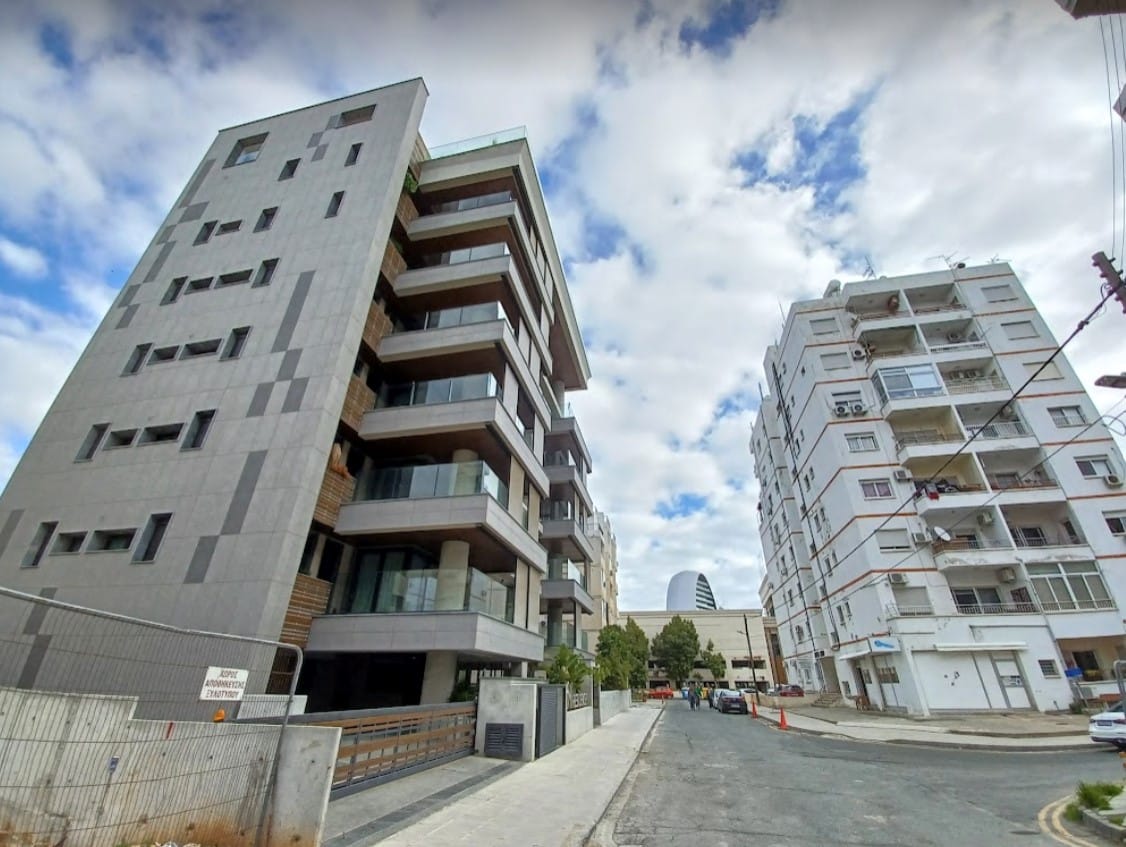
Cyprus’ real estate sector saw a sharp rise in building permits issued in January of this year, reflecting a significant expansion in construction activity.
According to a report from the Cyprus Statistical Service (Cystat), a total of 789 building permits were authorised during the month.
The total value of permits reached €445.2 million, while the total covered area amounted to 346,700 square metres.
These permits provide for the construction of 1,755 dwelling units, indicating a strong pipeline of residential development.
When compared with January 2025, the number of permits recorded a 76.9 per cent increase, signalling a substantial year-on-year surge.
Moreover, the total value of permits rose by 92.9 per cent, pointing to higher-value projects entering the market.
At the same time, the total area increased by 82.5 per cent, reflecting broader construction expansion.
The number of dwelling units saw the most pronounced growth, climbing by 109.4 per cent year-on-year.
Meanwhile, property sales across Cyprus continued to grow in April, with transactions rising by 15 per cent year-on-year to 1,611, compared with 1,404 in April 2025, according to data from the Department of Lands and Surveys.
This followed an 18 per cent increase in March, showing that demand remained resilient despite regional instability linked to the Middle East.
The data showed that foreign buyers accounted for a significant share of activity during this time, with sales rising to 649 from 552 a year earlier, representing 40.3 per cent of total transactions.
Paphos recorded the strongest growth, with sales rising by 41 per cent, while Larnaca followed with a 21 per cent increase.
Nicosia posted marginal growth of 2 per cent, while Famagusta remained unchanged compared with April 2025.
Over the first four months of the year, total property sales increased by 14 per cent to 6,320, with foreign buyer-linked transactions also rising markedly.
At the same time, Cyprus Property Developers Association chairman Yiannis Misirlis recently pointed out that the construction and development sector is undergoing a structural shift.
Misirlis explained that international demand has transitioned from pure investment toward long-term relocation and lifestyle.
He also warned of an emerging infrastructure gap, noting that public systems such as roads, schools and utilities are struggling to keep pace with rapid private sector development.
Moreover, he stressed that the sector must move towards integrated planning and sustainable communities, while addressing supply constraints caused by slow licensing and high construction costs.
At the European level, data from Eurostat showed mixed construction trends in February of this year, with output declining by 1.9 per cent year-on-year in the euro area despite modest monthly stabilisation.
The figures highlight a broader backdrop of weaker annual construction performance across Europe, contrasting with Cyprus’ current growth momentum.





Click here to change your cookie preferences