
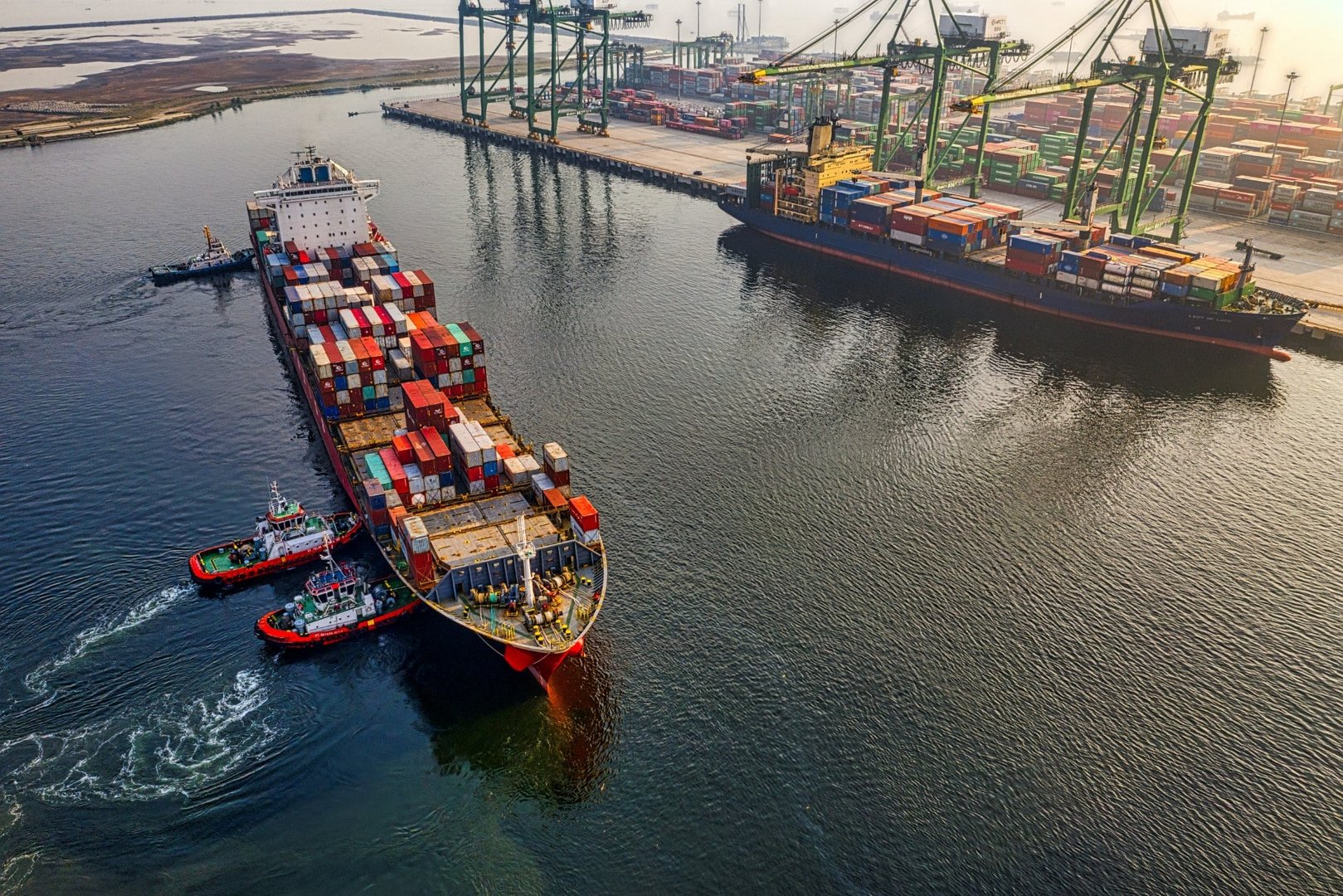
Global shipping is facing a deepening shortage of seafarers just as geopolitical instability, rising trade demand and decarbonisation are placing heavier pressure on the industry, according to Uniteam Marine.
The international ship management organisation, which provides services across a wide range of countries and jurisdictions, said the sector is confronting “a blunt, uncomfortable reality”, it is running short of people willing to go to sea.
According to the company, what was once treated mainly as a future labour-market concern has already become a daily operational constraint for shipowners, managers and crewing departments, as well as a growing strategic risk for world trade.
Uniteam Marine said the pressure is particularly acute among officers, with industry bodies warning for several years that the global seafarer labour market is the tightest it has been in almost two decades. Certified officers are increasingly hard to find, even as some segments continue to show a relative surplus of ratings.
The company added that analysts have warned of tens of thousands of officers already missing from the system, while the shortfall could rise towards the equivalent of about 90,000 trained seafarers if recruitment and training fail to keep pace with demand.
However, Uniteam Marine said the shortage cannot be understood through numbers alone.
The organisation said the figures sit behind what it described as “a perfect storm” of security threats, traumatic attacks, demanding voyages, shifting generational expectations and a widening trust gap between seafarers and the shore-based decision-makers who rely on them.
Measured in containers, ton-miles and vessel capacity, shipping may appear to be an engineering and logistics issue. Measured in people, however, Uniteam Marine said it is “a human system that is rapidly approaching breaking point”.
That strain is already being felt most sharply in sectors where competence and experience are hardest to replace. According to the ship management company, tankers, gas carriers and other technically sophisticated vessels are among the first to feel the pressure, precisely because they require higher levels of training, judgement and specialised knowledge.
Traditional seafarer supply nations remain critical, Uniteam Marine said. At the same time, the organisation noted that the industry is under growing pressure to develop new talent pipelines in other regions simply to keep ships crewed.
In practice, this is already changing the balance of power in the labour market. The company said the shortage has led to more last-minute crew changes, stronger wage pressure and greater bargaining power for senior officers.
For an industry that treated crewing for many years largely as a cost issue, Uniteam Marine said this marks a significant shift. Yet higher pay alone will not solve the problem. The more difficult question, according to the company, is whether a life at sea still looks attractive enough for people to join the profession and, crucially, stay in it.
That question has become harder to answer as key shipping routes have grown more dangerous.
Uniteam Marine pointed to risks around the Strait of Hormuz, as well as renewed attacks in the Red Sea and surrounding waters, saying these developments have brought “new forms of trauma” into the lives of merchant crews.
The company said seafarers transiting such routes have faced missile and drone strikes, near misses and long periods under threat. In some cases, crews have slept in clothes and shoes, ready to move quickly to citadels or muster points if needed.
Some of those who have survived such incidents, Uniteam Marine said, have made clear that they will not sign again for voyages through those waters.
This sense of danger sits alongside older risks, including piracy, armed robbery and instability around maritime choke points. But according to the organisation, the risk is no longer only physical.
After accidents, pollution incidents or security events, seafarers may also face detention, questioning or prosecution in jurisdictions far from home. Where legal processes are opaque or drawn out, Uniteam Marine said the fear of being scapegoated becomes another reason for people to leave the industry.
Security rules have added another layer of pressure. The company said post-9/11 regulations, immigration controls, port state requirements and company procedures have increased scrutiny, paperwork and restrictions on movement.
Shore leave is limited in many ports, while crews can feel more monitored than protected. As Uniteam Marine put it, the mechanisms intended to manage risk “are not always experienced as protective” by the people on board.
This matters because even outside conflict zones, life at sea has become more demanding.
Uniteam Marine said leaner crew complements mean each person on board carries more responsibility. Officers, in particular, must balance navigation, engineering, safety, environmental compliance, audits, training records, port documentation and company reporting, often with limited rest.
Digitalisation was expected to ease part of that burden. Instead, the company said it has often added more layers of reporting and record-keeping, leaving already stretched crews to handle more screen-based administration alongside core operational duties.
The result, according to the organisation, is fatigue, one of shipping’s most persistent safety risks and a major reason why some seafarers leave the profession early.
Contract patterns have added to the strain. Uniteam Marine said many seafarers continue to spend long periods on board, often with limited flexibility around family or personal needs. Younger seafarers, in particular, increasingly want shorter tours and more predictable leave.
But when the officer pool is already stretched, the company said employers struggle to offer that flexibility without disrupting operations.
Welfare concerns have also made retention harder. Uniteam Marine referred to persistent problems with bullying, harassment, discrimination and violence on board, saying such issues can be decisive for women and minority groups considering whether to remain in the industry.
For others, the company said, they weaken the solidarity and professional pride that once helped offset the hardships of seafaring.
Mental health is part of the same picture. According to the organisation, isolation, long separations from family, disrupted sleep, heavy responsibility and the constant possibility of accident or attack all take their toll.
The pandemic exposed these pressures sharply, when many seafarers were trapped on vessels for months beyond their contracts. However, Uniteam Marine said the underlying problems have not disappeared.
For older generations, the company noted, these sacrifices were often accepted as part of a career that offered good pay, adventure and opportunities unavailable ashore. Today, however, Uniteam Marine said “the balance between sacrifice and reward looks less attractive for many”.
That changing calculation is especially clear among younger seafarers.
According to Uniteam Marine, shipping’s labour model, built around Baby Boomers and Generation X, is now being tested by Generation Z, whose expectations of work, life and loyalty are different.
The company said this does not mean younger people are rejecting the sea. Many remain attracted by the profession’s international character, technical demands and global career potential. However, they are less willing to accept poor communication, unclear career paths and outdated employment practices.
They also want to work for employers whose values they can respect.
Uniteam Marine said environmental performance, crew welfare, diversity and inclusion, and the way companies behave when things go wrong now matter more. Cases of harsh treatment, the company added, are “not just anecdotes”, but signs of whether an employer deserves long-term commitment.
Younger seafarers are also more open about mental health and more likely to expect structured support, from confidential counselling and peer networks to clear reporting channels for abuse. They are less prepared to endure toxic or unsafe environments in silence.
The same applies to recruitment and career development. Uniteam Marine said Gen Z has grown up with smartphones, instant messaging and real-time feedback. When maritime recruitment still relies on slow emails, clumsy paperwork and unclear decision-making, it feels out of step with the world young people know ashore.
They also want to know where sea time can take them. According to the company, if a seafaring career can lead to fleet management, technical roles, data, operations, safety or sustainability, that path needs to be clear. If it is not, many will choose another profession.
Uniteam Marine said this should not be dismissed as “entitlement”, but understood as “a rational response to a world where skilled people have options”.
Faced with these pressures, the industry is beginning to respond.
Across the sector, Uniteam Marine said crewing is slowly being reframed as a strategic risk rather than a routine back-office function. Crew changes are no longer simply logistics. They are tied directly to safety, retention, operational continuity and commercial reliability.
The company said shipowners, managers and crewing departments are investing in more advanced crew-planning systems to match skills with vessel needs months in advance, reduce last-minute substitutions and make rotations more predictable.
They are also tracking crew availability and preferences more closely, recognising that broken promises over leave can quickly damage trust and increase attrition.
At the same time, Uniteam Marine said masters and senior officers are being involved more actively in discussions around manning levels, welfare and safety. The company described this shift as part of a move towards “human-centric crewing”, although progress remains uneven across the industry.



Click here to change your cookie preferences