
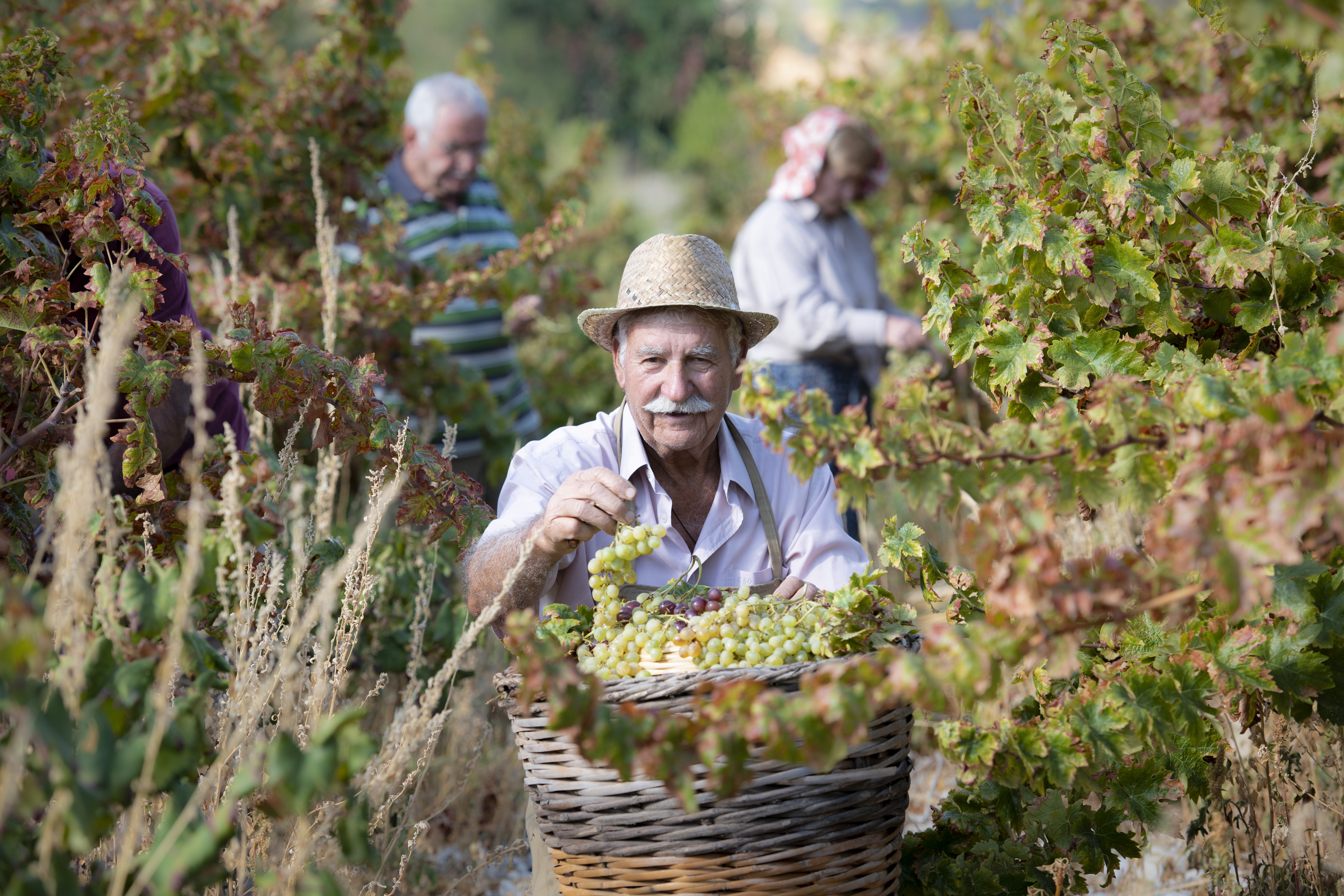
Cyprus is one of the oldest wine-producing regions in the world. Archaeological evidence suggests that winemaking on the island dates back more than 5,000 years, making Cyprus part of the cradle of Mediterranean viticulture. Despite its relatively small size, the island has developed a diverse and increasingly sophisticated wine industry that blends ancient traditions with modern techniques.
The story of Cypriot wineries is not simply about wine production; it is deeply connected to the island’s geography, history, religion, trade routes, and rural culture. From mountain villages in the Troodos range to coastal vineyards overlooking the Mediterranean, wineries in Cyprus reflect centuries of adaptation and resilience.
A brief history of winemaking in Cyprus
Wine production in Cyprus predates many well-known European wine regions, including Bordeaux (France), Rioja (Spain), and Champagne (France). Excavations near the ancient settlement of Erimi revealed wine-related artifacts dating to around 3500 BCE. The island’s strategic location between Europe, Asia, and Africa helped establish Cyprus as an important center of trade during antiquity.
During the Greek and Roman periods, Cypriot wine became widely known across the Mediterranean. The island’s most famous historic wine, Commandaria, is often described as the world’s oldest named wine still in production. Produced mainly in villages on the southern slopes of the Troodos Mountains, Commandaria gained international prestige during the medieval era, particularly under the Crusaders and the Knights Hospitaller.
Under Venetian and Ottoman rule, wine production fluctuated, but viticulture remained embedded in village life. During British colonial administration in the late 19th and early 20th centuries, commercial wineries expanded significantly. Large producers emerged, helping modernize production and export Cypriot wines abroad.
By the late 20th century, however, Cyprus faced challenges. Mass production and bulk exports often prioritized quantity over quality. In response, the industry underwent a transformation beginning in the 1980s and 1990s. A new generation of boutique wineries began focusing on indigenous grape varieties, altitude-grown vineyards, and premium-quality wines. This shift reshaped Cyprus into a modern wine destination with growing international recognition.
Geography and climate: Why Cyprus is ideal for wine
Cyprus has several natural advantages for viticulture:
- Long, dry summers with abundant sunshine
- Mild winters
- Mountainous terrain with varied altitudes
- Mineral-rich soils
- Low humidity in upland regions
The Troodos mountains play a particularly important role. Many vineyards are planted at elevations between 600 and 1,500 meters above sea level. Higher altitudes provide cooler nighttime temperatures, helping grapes retain acidity and complexity despite the Mediterranean heat.
Another notable advantage is that many Cypriot vineyards escaped the devastation of phylloxera (a tiny aphid-like insect that attacks grapevines by feeding on their roots and leaves), the vine pest that destroyed much of Europe’s vineyards in the 19th century. As a result, some vineyards in Cyprus remain planted on original rootstock, preserving older vine genetics and traditional cultivation methods.
Main wine regions of Cyprus
Cyprus has several officially recognized wine-growing regions, each with distinct characteristics.
Limassol wine region
The district surrounding Limassol is considered the heart of Cypriot wine production. The southern slopes of the Troodos mountains contain many historic wine villages and wineries.
This region is particularly associated with:
- Commandaria production
- Mountain vineyards
- Indigenous grape varieties
- Traditional stone-built wine villages
Villages such as Omodos, Koilani, Vouni, and Arsos are closely tied to the island’s wine culture and attract significant wine tourism.
Pafos wine region
The Paphos district, especially around Kathikas and the Laona-Akamas area, has become known for boutique wineries and quality-focused producers.
The region benefits from:
- Higher elevations
- Cooling sea breezes
- Limestone-rich soils
Pafos wineries often produce elegant whites and structured reds, and many experiment with both local and international grape varieties.
Troodos mountain region
The mountainous interior of Cyprus has become increasingly important for premium wine production. High-altitude vineyards help mitigate climate stress and create wines with freshness and balance.
The region is particularly important for:
- Xynisteri whites
- Maratheftiko reds
- Organic and low-intervention wines
- Larnaca and Eastern Regions
Larnaca region
The eastern parts of Cyprus, including areas around Larnaca, have smaller but historically important wine-producing communities. Viticulture here tends to be more fragmented, though some modern wineries are investing in the region.
Indigenous grape varieties
One of the defining characteristics of Cypriot wineries today is the revival of native grape varieties.
Xynisteri
Xynisteri is the island’s most widely planted white grape. It produces fresh, citrus-driven wines with floral aromas and moderate alcohol levels.
Maratheftiko
Maratheftiko is considered Cyprus’s flagship red grape. Difficult to cultivate but highly expressive, it produces deeply colored wines with rich fruit, spice, and aging potential.
Mavro
Mavro is one of the oldest and most traditional grape varieties on the island. Historically used for bulk wine and Commandaria, it is increasingly being re-evaluated by modern winemakers.
Other Native Varieties
Cyprus is also seeing renewed interest in lesser-known indigenous grapes such as:
- Yiannoudi
- Promara
- Spourtiko
- Morokanella
These varieties help differentiate Cypriot wines internationally and preserve the island’s viticultural heritage.
The rise of boutique wineries
For much of the 20th century, Cyprus’s wine industry was dominated by a few large producers. Today, however, smaller wineries play a central role in shaping the island’s identity.
Modern boutique wineries emphasize:
- Estate-grown vineyards
- Limited production
- Indigenous grapes
- Sustainable farming
- Experimental winemaking
Many are family-owned operations located in restored village buildings or mountain estates. Wine tourism has become increasingly important, with wineries offering tastings, vineyard tours, restaurants, and accommodations.
Commandaria: Cyprus’s historic treasure

No overview of Cypriot wineries is complete without Commandaria.
Produced from sun-dried grapes, this amber-colored dessert wine has origins stretching back millenia. It is made primarily from Xynisteri and Mavro grapes grown in designated villages within the Commandaria region.
Its characteristics include:
- Rich dried fruit flavors
- Honey and caramel notes
- Oxidative aging complexity
- High natural sweetness balanced by acidity
Commandaria played an important role in medieval trade and is strongly linked to the island’s historical identity.
Wine tourism in Cyprus
Wine tourism has become a major component of the modern industry. Cyprus offers several organized wine routes connecting villages and wineries throughout the countryside.
Popular experiences include:
- Vineyard tours
- Barrel tastings
- Traditional village festivals
- Food and wine pairing events
- Harvest participation during vintage season
The combination of mountain scenery, local cuisine, historic monasteries, and traditional architecture makes wine tourism especially attractive in the Troodos region. This brings tourists into historic cobblestone villages (like Omodos and Lofou), right past UNESCO-protected Byzantine monasteries, and into traditional taverns serving local meze.
Challenges facing Cypriot wineries
Despite recent progress, the industry faces several ongoing challenges:
Climate change
Rising temperatures and prolonged droughts increasingly affect vineyard yields and grape balance.
International competition
Cyprus competes with larger and better-known wine-producing countries that benefit from stronger export networks.
Limited production scale
Many wineries are small operations with limited production capacity and distribution reach.
Preservation of indigenous varieties
Maintaining genetic diversity and encouraging cultivation of native grapes requires long-term investment and market support.
The future of Cypriot wine
The future of Cyprus’s wineries appears increasingly promising. Over the past two decades, international recognition has grown steadily, particularly for high-altitude wines and indigenous grape varieties.
Modern Cypriot winemaking is moving toward:
- Quality over quantity
- Sustainable viticulture
- Organic farming
- Terroir-driven wines
- International branding of native grapes
Cyprus no longer just inherits its winemaking history; it is actively rewriting it. By anchoring cutting-edge innovation to the soil of its ancient mountain villages, the island offers global consumers something rare: a taste of living history, poured into a modern glass.





Click here to change your cookie preferences