
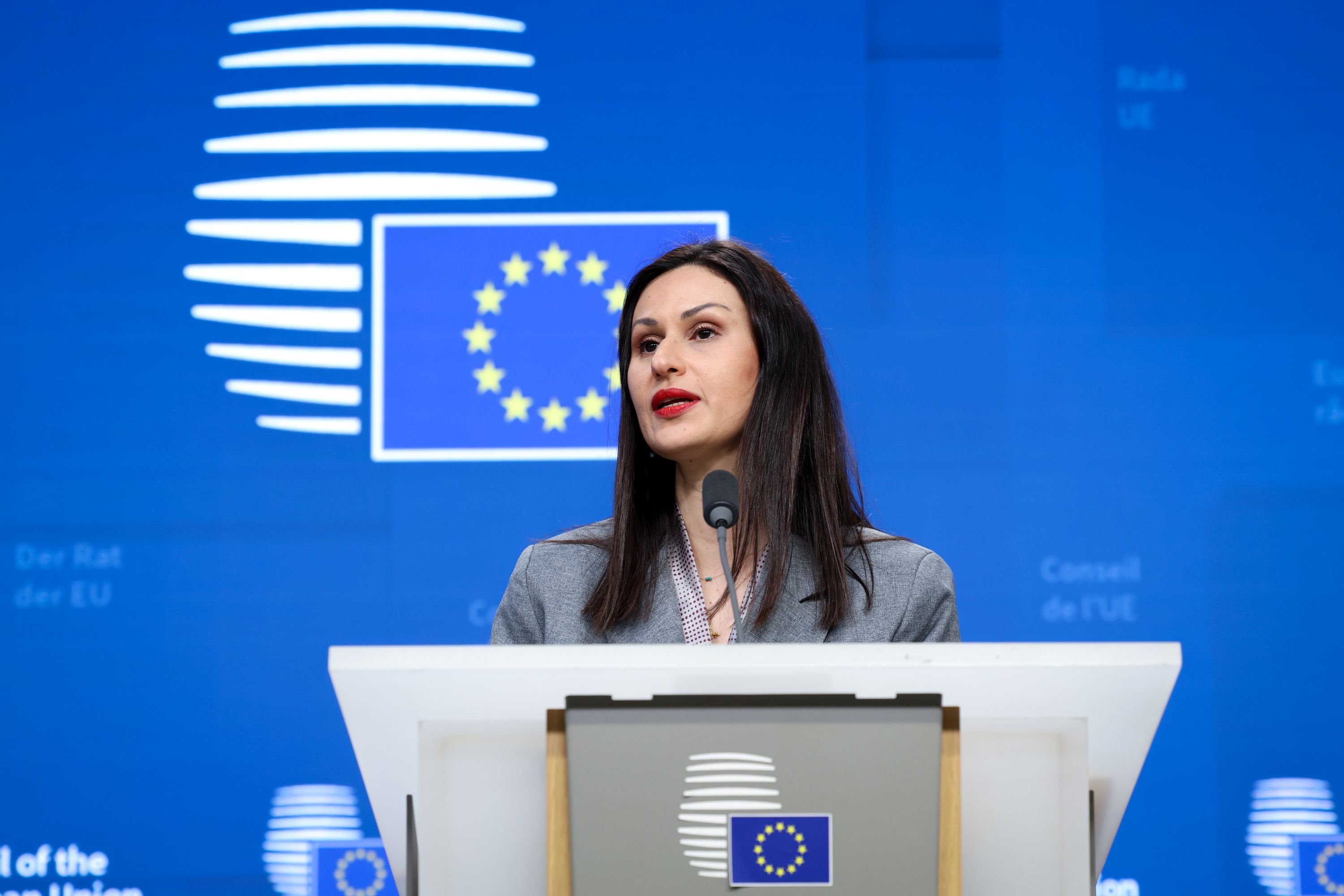
Agricultural resilience and food security were at the centre of discussions during the European Union’s Agriculture and Fisheries Council meeting in Brussels on Tuesday, held under the Cyprus presidency, as ministers examined mounting challenges facing the agriculture and fisheries sectors.
Following the meeting, Agriculture Minister Maria Panayiotou said agriculture and fisheries are directly tied to farmers and fishers operating under increasing pressure, while Europe’s citizens expect safe, quality and affordable food.
She said the Cyprus presidency is focused on maintaining strategic direction and stability during a period of uncertainty, with emphasis on resilience, food security and the long-term sustainability of primary sectors.
Panayiotou said agriculture remains a key pillar of European trade, with discussions confirming the EU’s dual role as both a leading exporter and importer of agri-food products, as well as the importance of stable and fair trade relations.
She referred to the need to monitor trade agreements such as Mercosur and Ceta, warning that sensitive agricultural sectors require attention to avoid market disruption. At the same time, she said balanced trade agreements can create opportunities for growth, exports and global food security, while ensuring European farmers compete on equal terms.
“Open where possible, protective where necessary, and firmly grounded in the realities and resilience of the European agricultural sector,” she said.
On fertilisers, Panayiotou said availability and affordability directly affect farmers, consumers and food security, with geopolitical instability, energy dependence and supply chain disruptions pushing up production costs and food prices.
She said there was broad agreement on strengthening European autonomy in fertilisers through diversified imports, support for domestic production and sustainable alternatives, while stressing that the green transition must include realistic solutions for farmers and an assessment of the impact of policies such as Cbam and the EU emissions trading system.
She also welcomed the European Commission’s fertiliser action plan, saying it aims to improve affordability, reduce dependence on third countries and strengthen European industry.
Agriculture Commissioner Christophe Hansen said there is no single solution to fertiliser dependence and high costs, warning that limited access could force farmers to reduce or abandon production, threatening food security.
Despite geopolitical uncertainty, he said EU agri-food trade remains resilient, with a positive trade balance of €7.4 billion. He added that while there are no immediate risks to food or fertiliser availability, concerns remain over rising input costs.
Hansen also referred to the modernised EU-Mexico agreement, which he said would create new export opportunities, and highlighted the importance of origin labelling in strengthening traceability and ensuring fair competition for European producers.





Click here to change your cookie preferences