
Kyprium bets on AI to transform recruitment in Cyprus
Cypriot startup Kyprium is aiming to transform the island’s recruitment sector through artificial intelligence, with founder Michalis Senekkis arguing that Cyprus must move away from informal hiring practices and adopt a more transparent and merit-based labour market.
Speaking to the Cyprus Mail, Senekkis said the company is positioning itself as “the only job platform in Cyprus built entirely on AI”, offering tools designed to improve recruitment efficiency for both employers and job seekers.
He explained that Cyprus has traditionally relied heavily on personal networks and informal recruitment channels, something Kyprium is trying to change through technology.
“Kyprium is trying to make hiring in Cyprus more structured, transparent and merit-based,” Senekkis said.
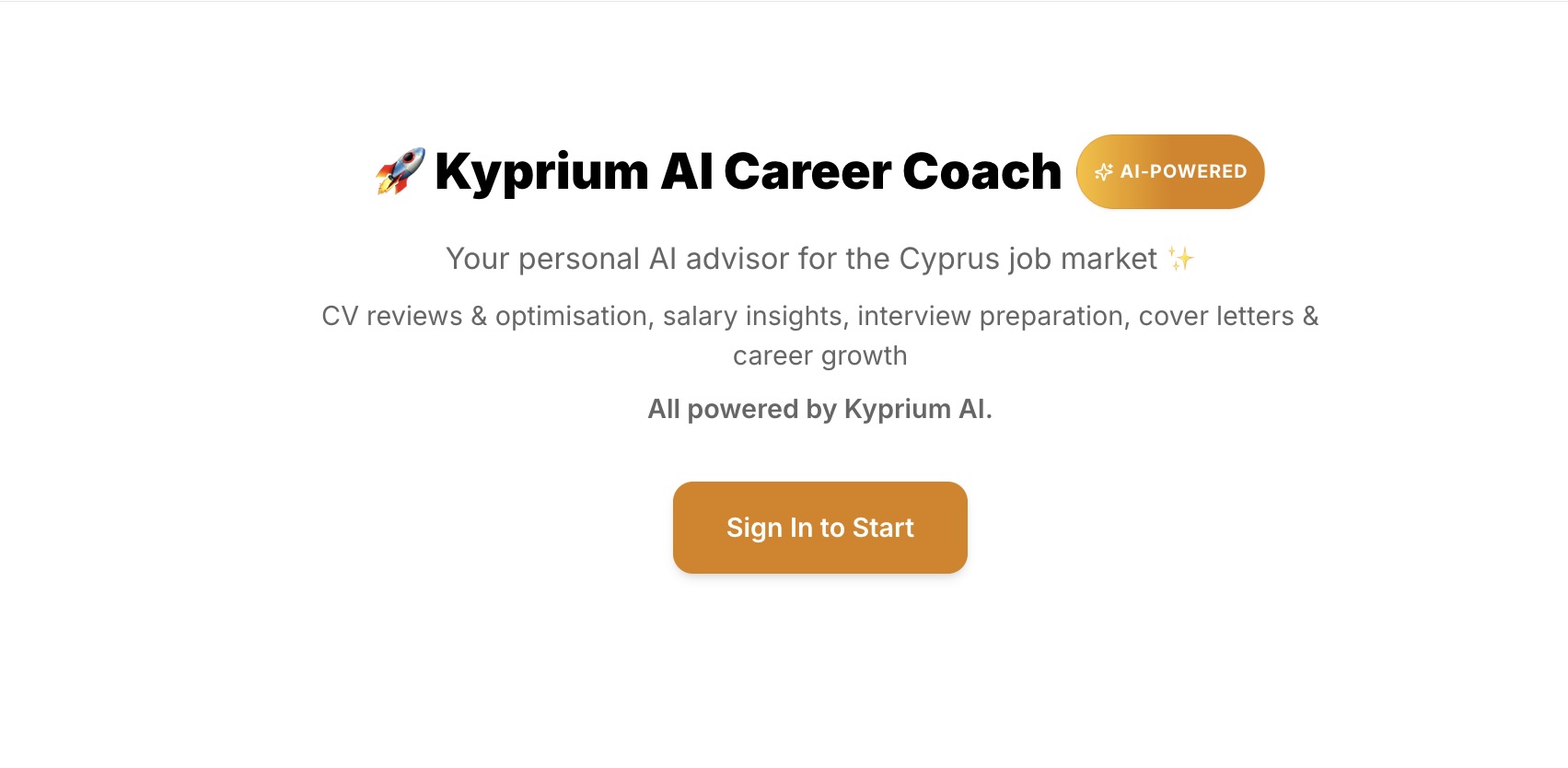
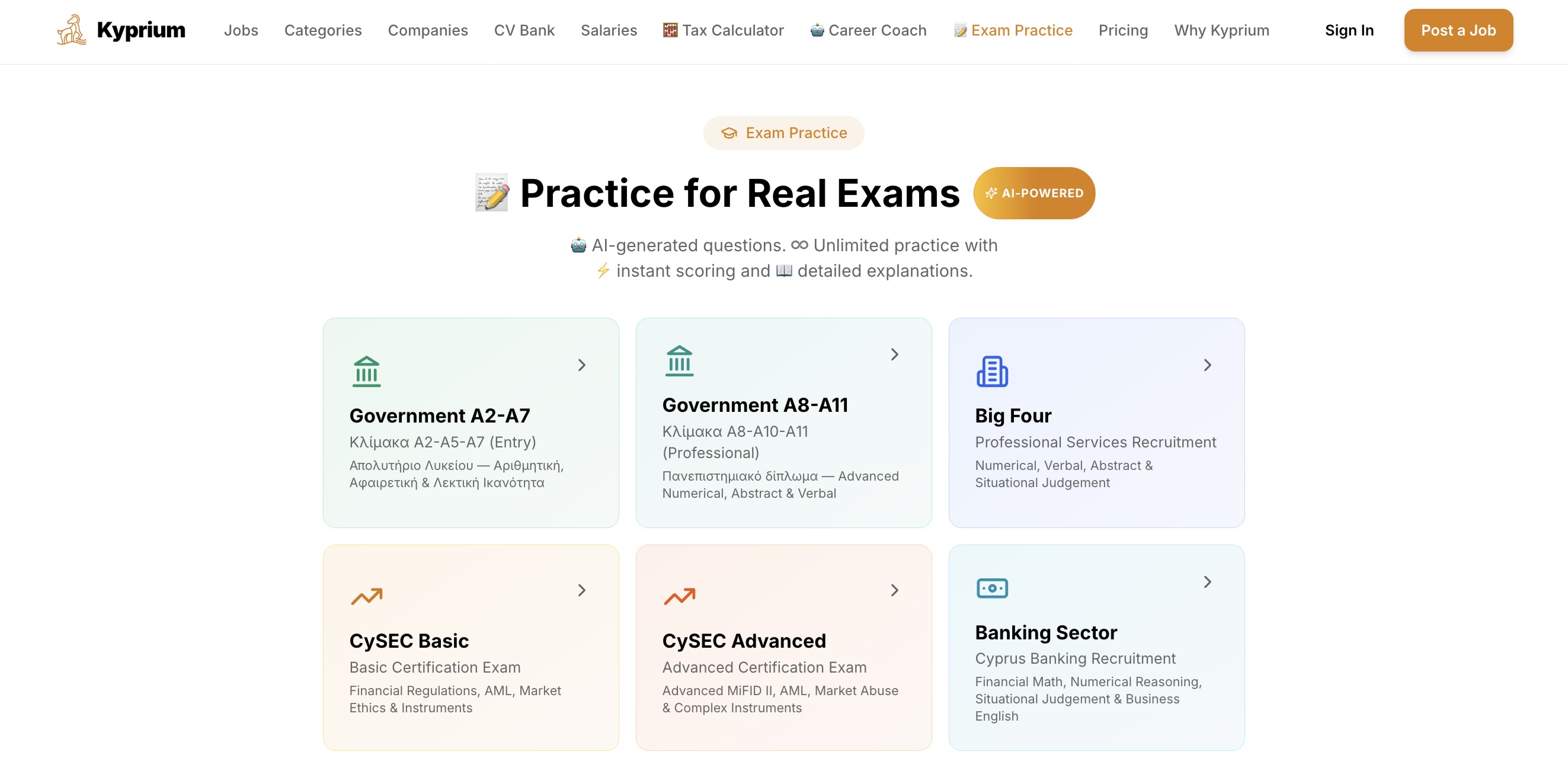
The founder stated that the platform uses AI-powered tools to help candidates improve their CVs, prepare for interviews, practise exam-style assessments and better understand which roles match their skills and experience.
For employers, he said the platform is designed to improve access to candidates while also providing more advanced tools for filtering, matching and evaluating talent.
“The goal is not to replace human judgement, but to improve the quality and speed of the hiring process,” Senekkis explained.
A central part of Kyprium’s strategy is salary transparency, which Senekkis described as one of the largest weaknesses in the Cypriot labour market.
The Cypriot founder pointed out that many job seekers currently apply for positions without knowing whether the salary aligns with their expectations, while employers often lose strong candidates because compensation details are either unclear or not competitive enough.
“The lack of transparent salary data is one of the biggest frictions in the Cypriot labour market,” Senekkis said.
He added that hiding salary information ultimately wastes time for both employers and candidates.
“More transparency helps candidates make better decisions and helps employers build trust earlier in the process,” he stated.
Senekkis explained that Kyprium actively encourages employers to include salary ranges when creating job listings, arguing that this leads to more relevant applicants and improves the overall quality of recruitment.
His comments come as Cyprus prepares to adapt to new European Union pay transparency rules, which are expected to increase pressure on businesses to disclose clearer compensation information.
Senekkis said some Cypriot companies are already prepared for this transition, although many are still adapting to the changing environment.
“At Kyprium, we have structured the platform in a way that already supports this shift,” Senekkis said.
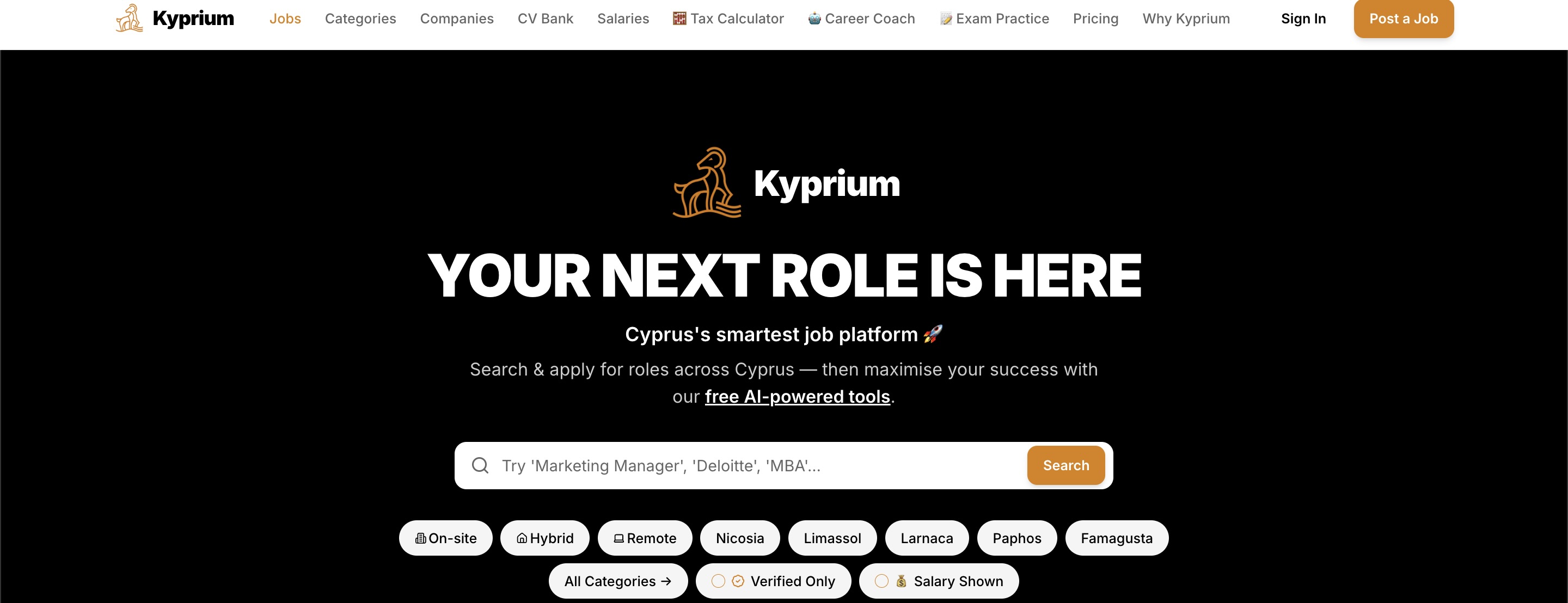
He explained that the platform highlights salary information clearly and also uses verified employer badges to improve trust between employers and applicants.
“Technology platforms can make compliance easier by normalising salary visibility, standardising job posts and helping companies present information in a more transparent and consistent way,” he said.
According to Senekkis, businesses that adapt early to transparency expectations will ultimately be in the strongest position as labour market standards continue to evolve.
The founder also pointed to growing competition for skilled workers in Cyprus, particularly in technology, finance, compliance, banking and specialist operational roles.
“In a small market like Cyprus, good talent moves quickly,” Senekkis said.
He further stated that employers are increasingly expected to provide not only competitive salaries, but also clearer career progression and long-term opportunities.
“Candidates are comparing opportunities more carefully than before,” he explained.
Senekkis described this as a sign of a healthier labour market overall, even if competition for skilled workers has intensified.
Kyprium also gathers anonymous real-time salary data, which Senekkis said is already revealing important trends in the 2026 employment environment.
“One of the clearest patterns we are seeing is that salary transparency is still uneven across the market,” he stated.
According to him, sectors such as finance, fintech, technology and iGaming are generally more willing to disclose salary ranges, while more traditional industries remain cautious.
“That matters because candidates in those sectors are often comparing several opportunities at once and want clarity early in the process,” Senekkis said.
The company has also identified strong demand for senior, specialist and bilingual roles, which tend to command higher salaries due to the limited availability of skilled workers.
Senekkis explained that candidates are no longer evaluating opportunities solely on the basis of salary, but are increasingly considering career progression, flexibility and the overall employment package.
“Job seekers want more visibility before they apply, and employers are increasingly being pushed to respond with clearer and more realistic offers,” he said.
He added that transparency early in the recruitment process helps create stronger matches while saving time for both sides.
The discussion also touched on Cyprus’ ambition to position itself as a regional technology and innovation hub, an objective Senekkis said depends heavily on access to talent.
“Talent is the foundation of any serious innovation hub,” he stated.
According to Senekkis, regulation, tax incentives and infrastructure alone are insufficient if Cyprus cannot attract and retain highly skilled workers.
“For Cyprus to strengthen its position as a regional technology and innovation hub, it needs a labour market that is accessible, transparent and competitive for both local and international talent,” he said.
Another major feature of the platform is its automatic multilingual translation system, which translates vacancies into Greek and Russian.
Senekkis described multilingual accessibility as particularly important in Cyprus because of the island’s international workforce and multilingual labour market.
“Many roles require candidates who are comfortable in Greek, English and in some cases Russian or other languages,” he explained.
He added that multilingual job listings help widen the available talent pool while improving accessibility for both local and foreign candidates.
“It is a practical improvement that increases reach and improves the candidate experience,” Senekkis said.
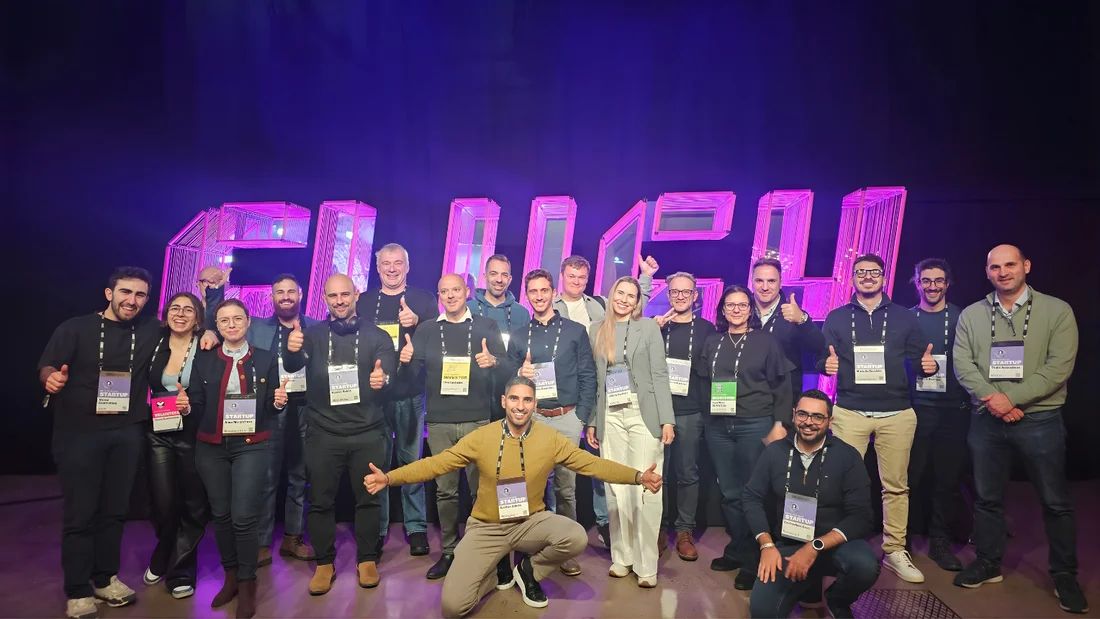
Senekkis also represented Cyprus at Slush 2025 in Helsinki with the support of the Research and Innovation Foundation (RIF), an experience which the Cypriot founder described as highly positive for the visibility of the Cypriot technology ecosystem.
He clarified that Kyprium participated through its parent company, where the original idea for the platform was first developed.
“The international reaction was very positive,” Senekkis said.
He explained that Cyprus is increasingly being viewed not merely as a small market, but as an emerging innovation hub capable of producing globally minded founders and startups.
“To compete with larger European markets, Cyprus does not need to win on size,” he stated.
“It needs to win on speed, quality and focus,” Senekkis added.
What is more, he told the paper that improving hiring conditions and helping startups scale internationally from Cyprus will be essential if the country wants to strengthen its position in the wider European technology sector.
“That means making it easier to hire and retain skilled people, and creating the right conditions for startups to scale internationally from Cyprus,” Senekkis concluded.





Click here to change your cookie preferences