
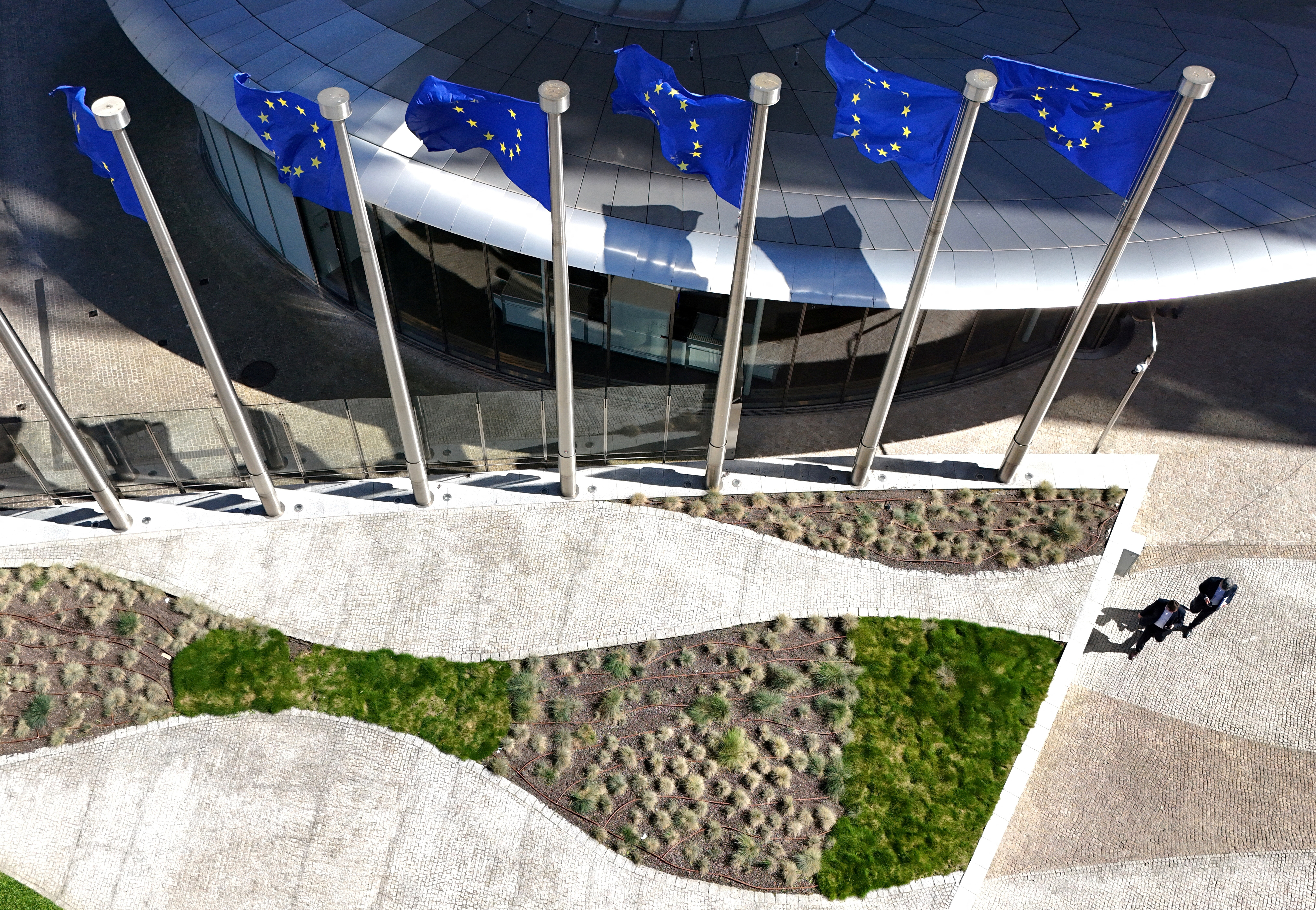
Iceland’s parliament on Thursday voted in favour of holding an August 29 referendum to begin European Union accession talks, supporting the government’s two-step plan that could lead to membership in the 27-nation bloc later this decade.
Reykjavik in 2013 abandoned negotiations after four years of talks when a Eurosceptic government took power, but a rise in the cost of living and the war in Ukraine have since rekindled interest in joining the union, opinion polls have shown.
If voters back the resumption of talks, the final terms of EU membership will require approval in a second referendum, while a “no” vote would end attempts to restart negotiations, the government has said.
Many voters are uncertain of whether to support EU membership or not, and may therefore take comfort in the two-step process, said Olafur Thordur Hardarson, a professor of political science at the University of Iceland.
“The large proportion that has not finally decided if they want to join or not, many of them, of course, want the (first)referendum because they want to see exactly what terms would be in a potential agreement,” he said.
Membership for the nation of some 400,000 people would extend the EU’s reach far into the North Atlantic Ocean at a time when U.S. President Donald Trump seeks to control Greenland, an island between Iceland and the United States.
“Even though Iceland of course is a very small country, putting Iceland on the EU map would sort of have a symbolic advantage,” Hardarson said.
In the 63-seat national parliament of Iceland, Althingi, 34 voted for the referendum, while 8 rejected it. 14 members abstained, while 7 were absent, according to the secretary general of the parliament.
Foreign Minister Thorgerdur Katrin Gunnarsdottir in March told Reuters she was optimistic that Iceland could join the EU as early as 2028, and that she expected fisheries and agriculture to be the toughest points of negotiation.





Click here to change your cookie preferences