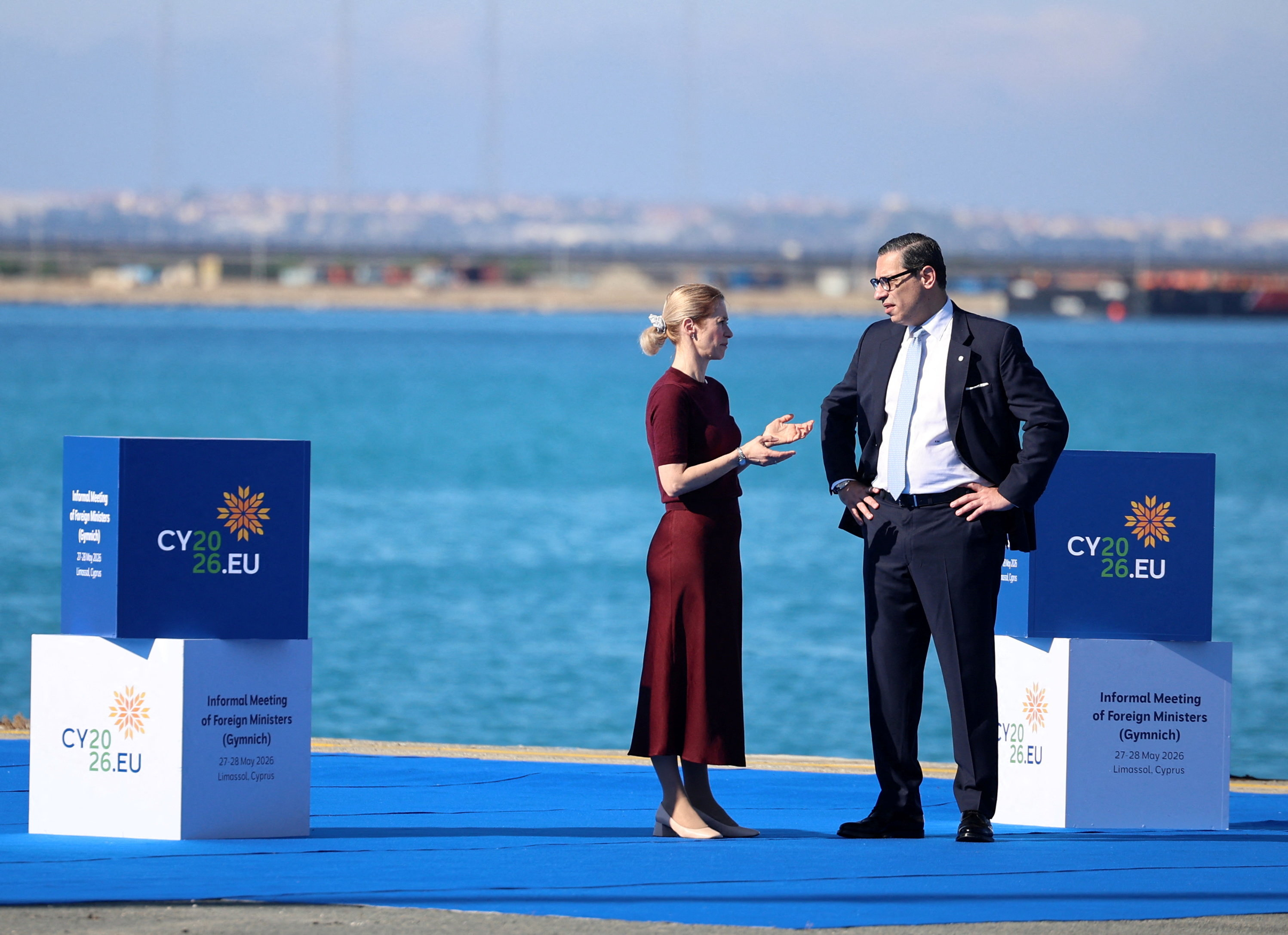
The ongoing conflicts in the Middle East and Ukraine are to dominate talks between the foreign ministers of the European Union’s 27 member states on Thursday, with ministers having descended on Limassol’s port early in the morning.
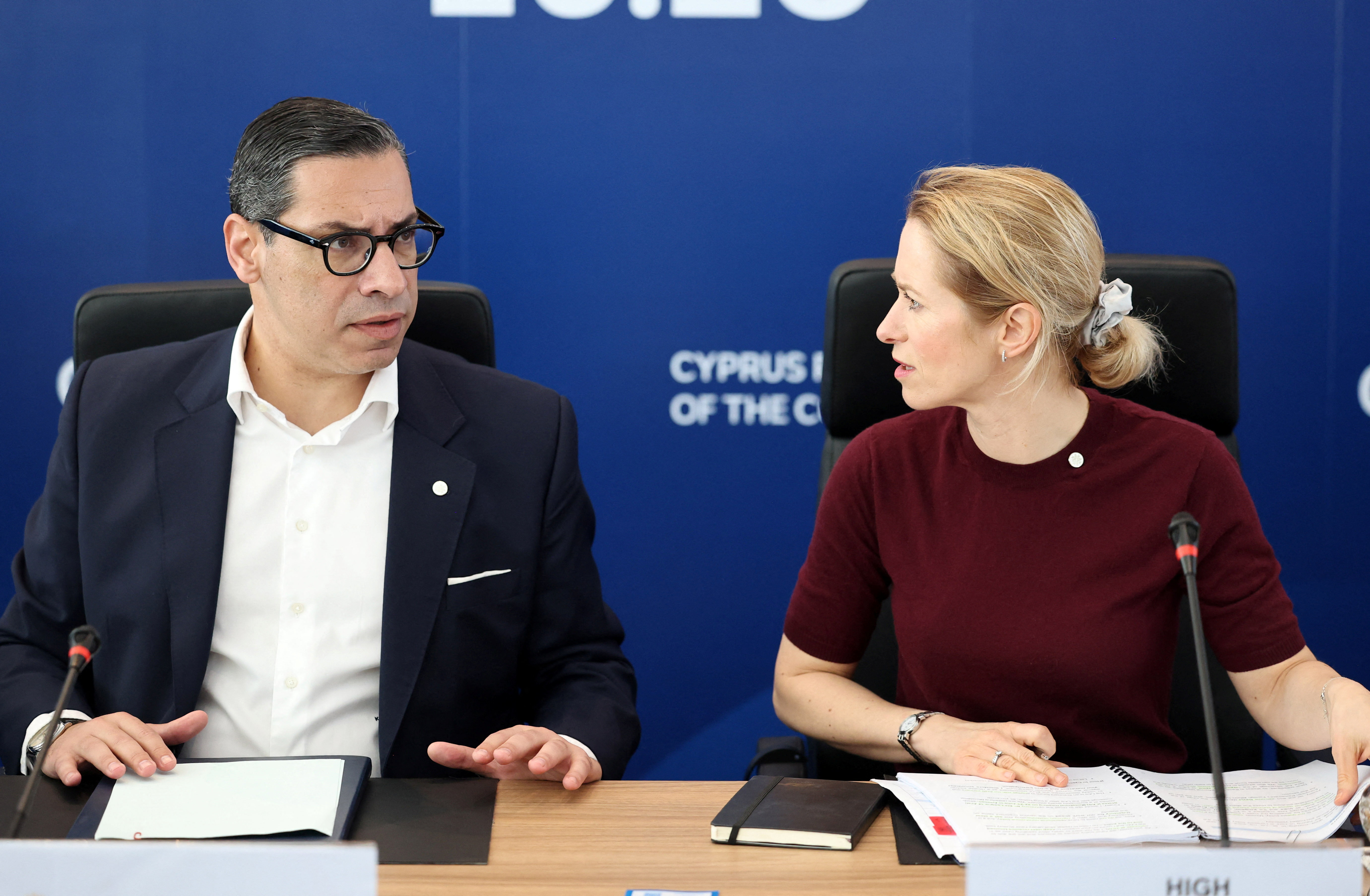
Cypriot Foreign Minister Constantinos Kombos was the first to speak to journalists upon his arrival at the ports, and said the first topic of discussion of the day would be ensuring supply chains in light of the closure of the Strait of Hormuz.
He said that the question of how the EU can “move forward” and ensure freedom of navigation for ships attempting to pass through the chokepoint would be central to talks, as it has been central to the majority of Cyprus’ six-month term as the holder of the Council of the EU’s rotating presidency.
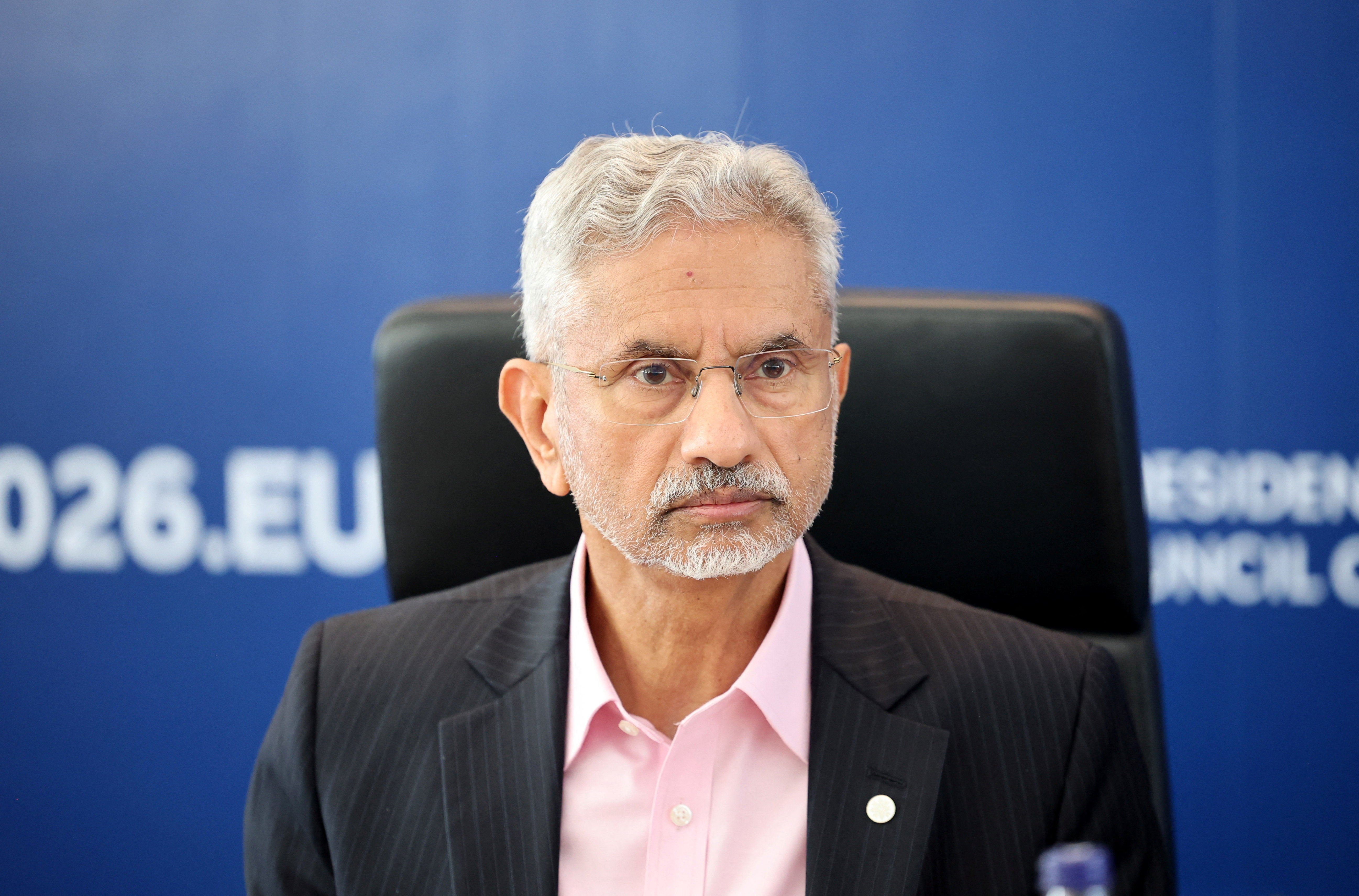
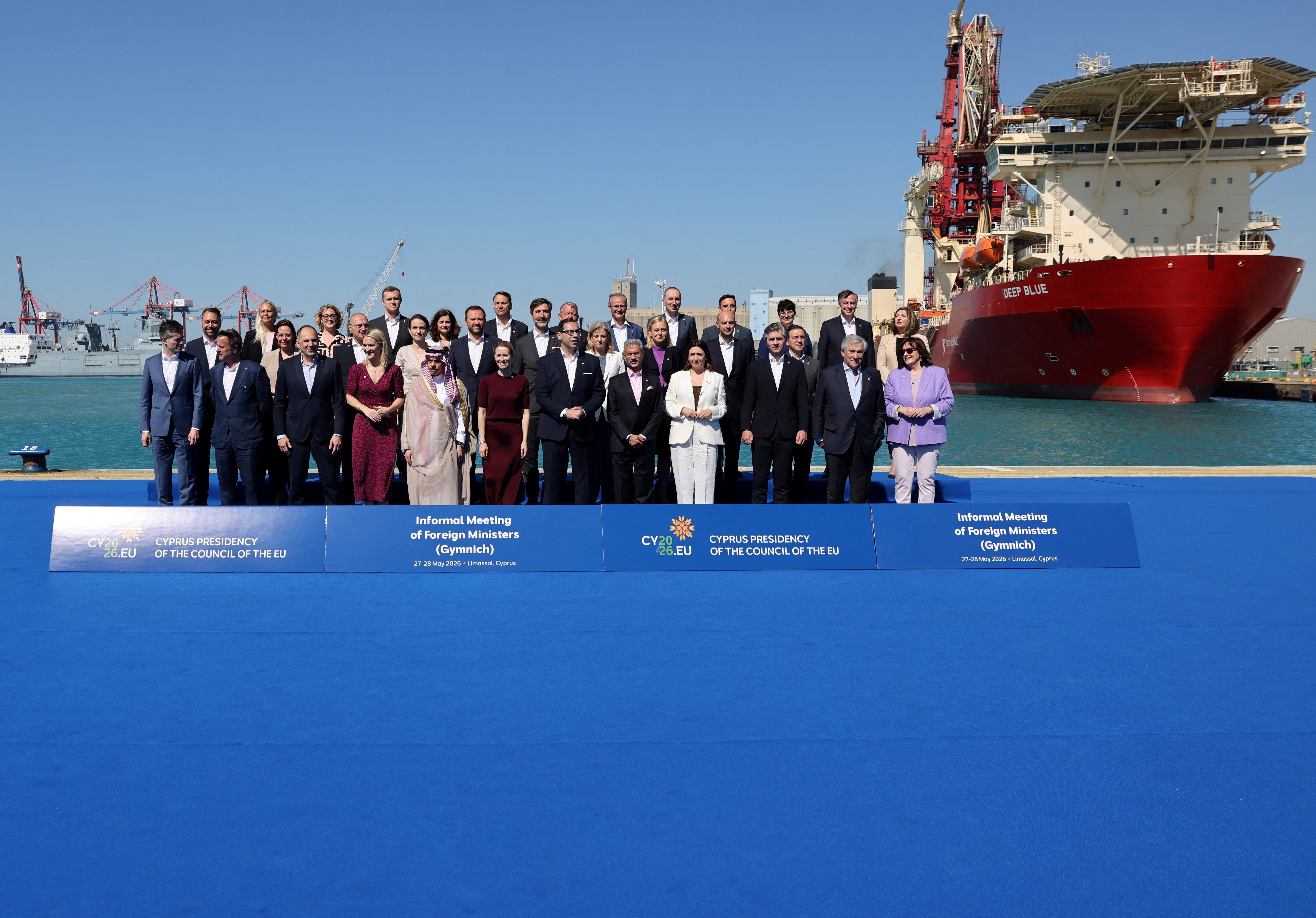
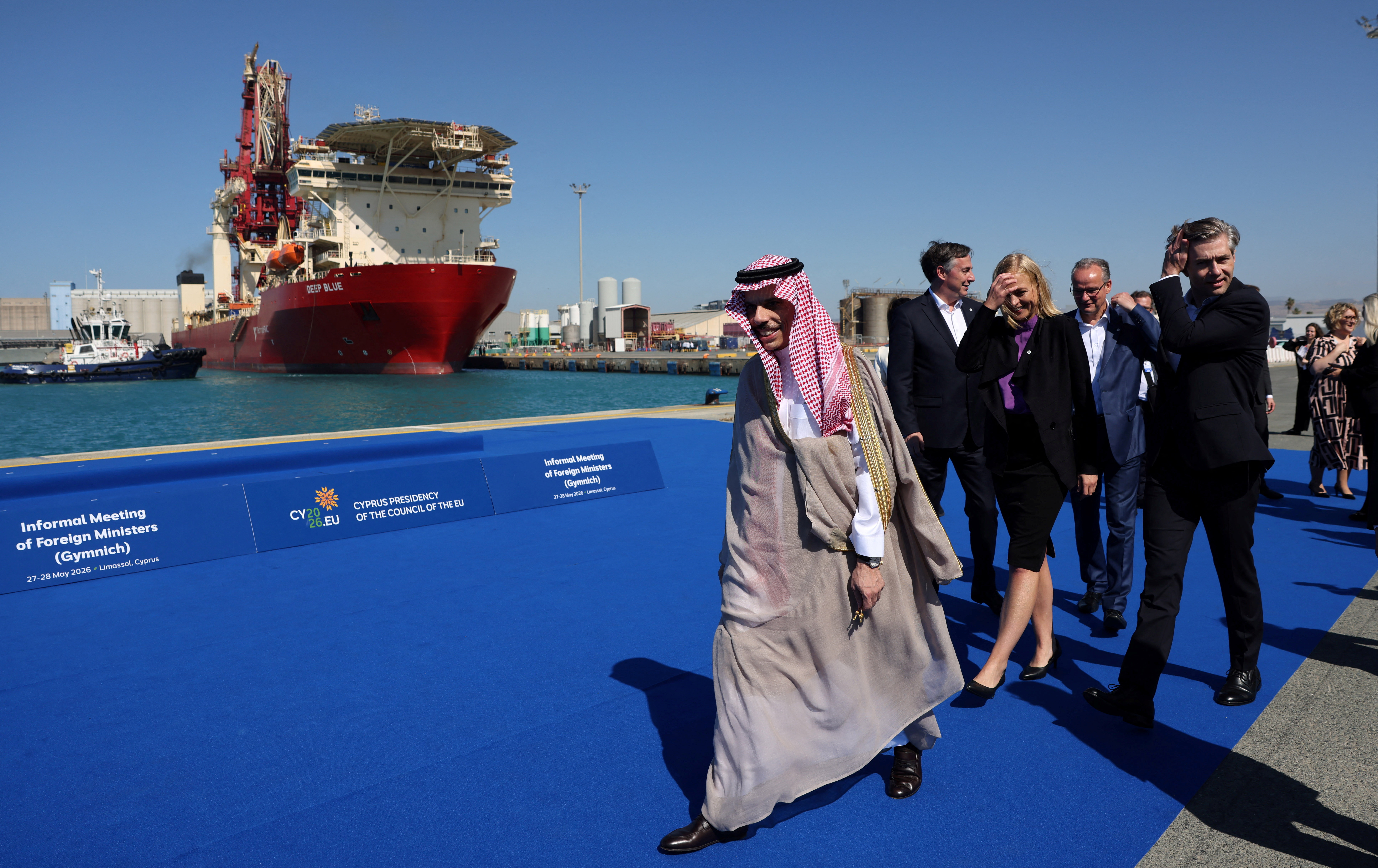
On this front, he was keen to point out that the slogan of Cyprus’ term is “an autonomous union, open to the world”, and that ensuring the continued viability and existence of supply lies remains a “key priority” for both the Cypriot government and the EU.
Moving onto the matter of the war in Ukraine, he spoke of a need to ensure that Ukraine is equipped to continue fighting the war, and made reference to the €90 billion loan given to the country by the EU earlier in the year as evidence of the bloc’s commitment to the country.
The day’s third topic of discussion, he said, would be the EU security strategy, which had been announced by European Commission President Ursula von der Leyen in January.
She had said at the time that the strategy’s aim will be to “collect all the knowledge to acknowledge the geostrategic changes and needs” arising in the world, as well as to assess geopolitical changes and “give an appropriate response”.
Kombos on Thursday said the aim of the day’s discussions on the matter would be to determine “how the EU partners will react to a very turbulent world”.
Asked whether the EU’s foreign ministers planned to suggest to the European Commission that the EU open negotiation clusters with Ukraine for the country to accede to the bloc, he said that talks with Ukraine regarding potential future accession are “ongoing”.
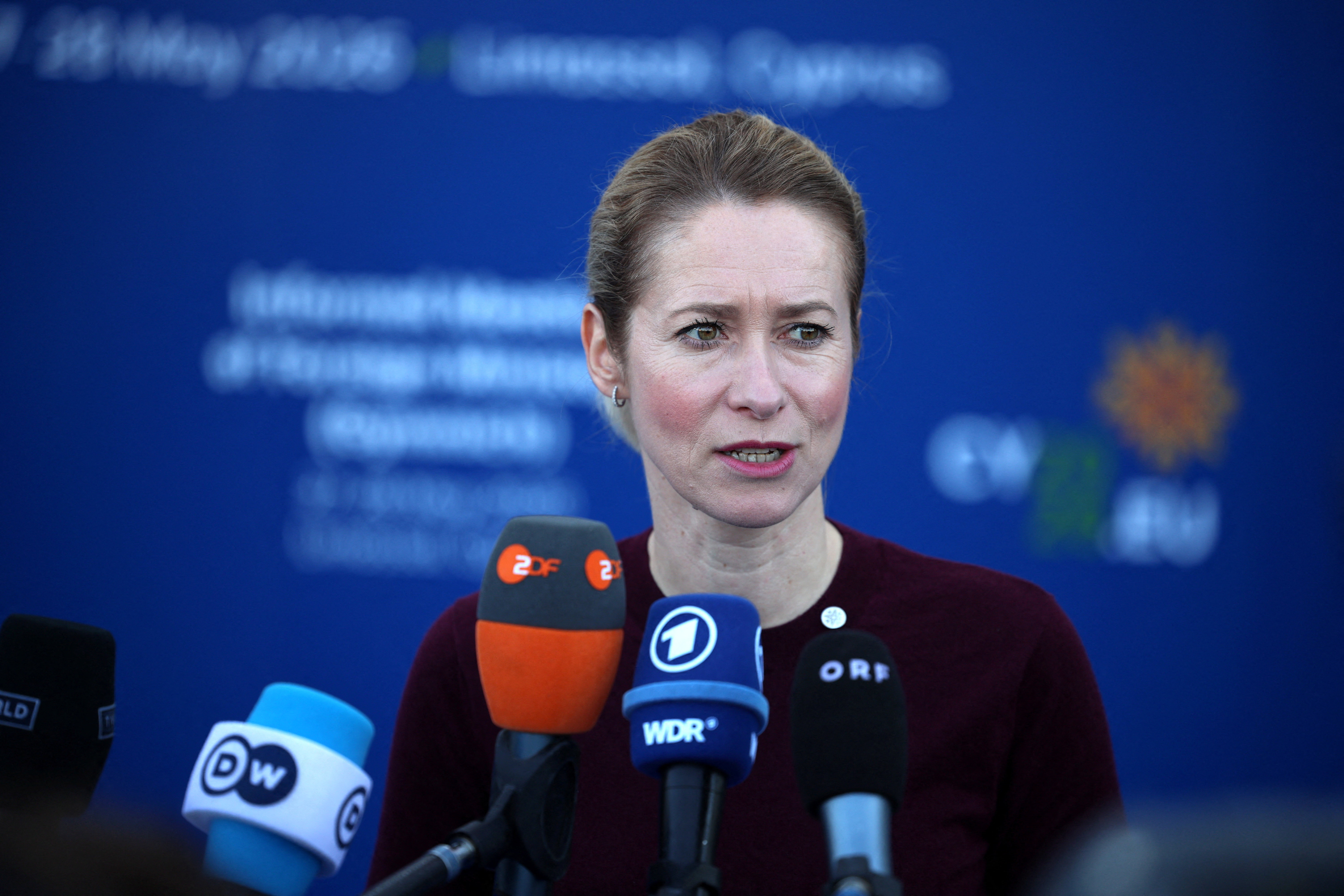
Ukraine dominated discussions upon EU foreign policy chief Kaja Kallas’ arrival, though she was keen to avoid discussions over whether the EU will appoint a special envoy to attempt to negotiate a peace.
“I find that it is a trap that Russia wants us to walk into, that we discuss who talks to them, and that they are already picking who is suitable and who is not. Let us not walk into that trap. Negotiations are always a team effort. You have good cops, you have bad cops, you have strategy on how you go to the table,” she said.
As such, she added, “the substance is much more important than who”.
Pressed as to whether she herself would like to lead negotiations, she said that “this is a trap which we should not walk into”.
“I am the high representative of the European Union, and you can read my job description in the treaties, and of course, that is also representing Europe, but for that, we need to be united, and that is a very, very important message,” she said.
She also passed comment on the Middle East, saying that the Strait of Hormuz is “in a strange state between war and peace”, and that “it is really in everybody’s interest that freedom of navigation is respected in the Strait of Hormuz, because everybody is paying a high price for this”.
Returning to Ukraine and the idea of the country’s potential future accession to the EU, she said that the idea that the country could join the bloc as an “associate member” is “very good”.
“The idea behind this is that we need to move faster with Ukraine. They have to be in the European Union because they are also bringing the security knowledge and strength to the European table, but of course, these processes take time,” she said.
However, she then added that Ukrainian associate membership of the EU “is not [what] we are going to discuss” in Limassol.
Luxembourg’s Xavier Bettel was more keen to suggest a name to be the EU’s envoy in Ukraine, suggesting his compatriot and former European Commission president Jean-Claude Juncker.
He said that his EU counterparts had been “surprised” when he put Juncker’s name forward, but then quipped that “there is always a Luxembourger involved somewhere”.
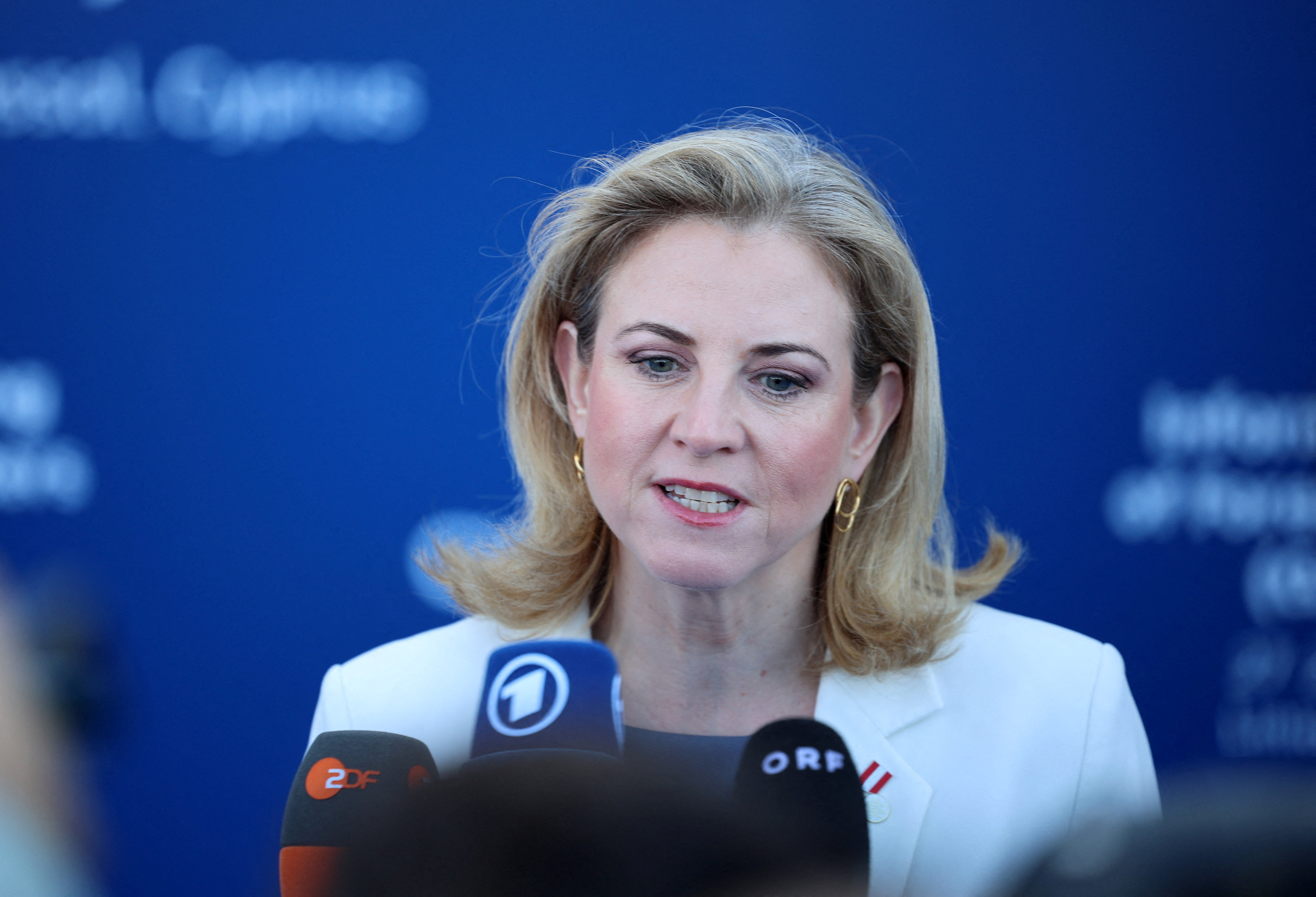
Later, Germany’s minister of state for Europe Gunther Krichbaum, deputising for the sick Johann Wadephul, stressed that the EU and the Middle East have “the same interests” in the foreign policy sphere.
Spanish Foreign Minister Jose Manuel Albares, meanwhile, called again for the suspension of the EU’s association agreement with Israel, and said that privately, the majority of the bloc’s member states agree with his position.
Estonia’s Margus Tsahkna was more lighthearted, declaring that “Cyprus is beautiful” and that he had swam in the sea on Wednesday.

Click here to change your cookie preferences