
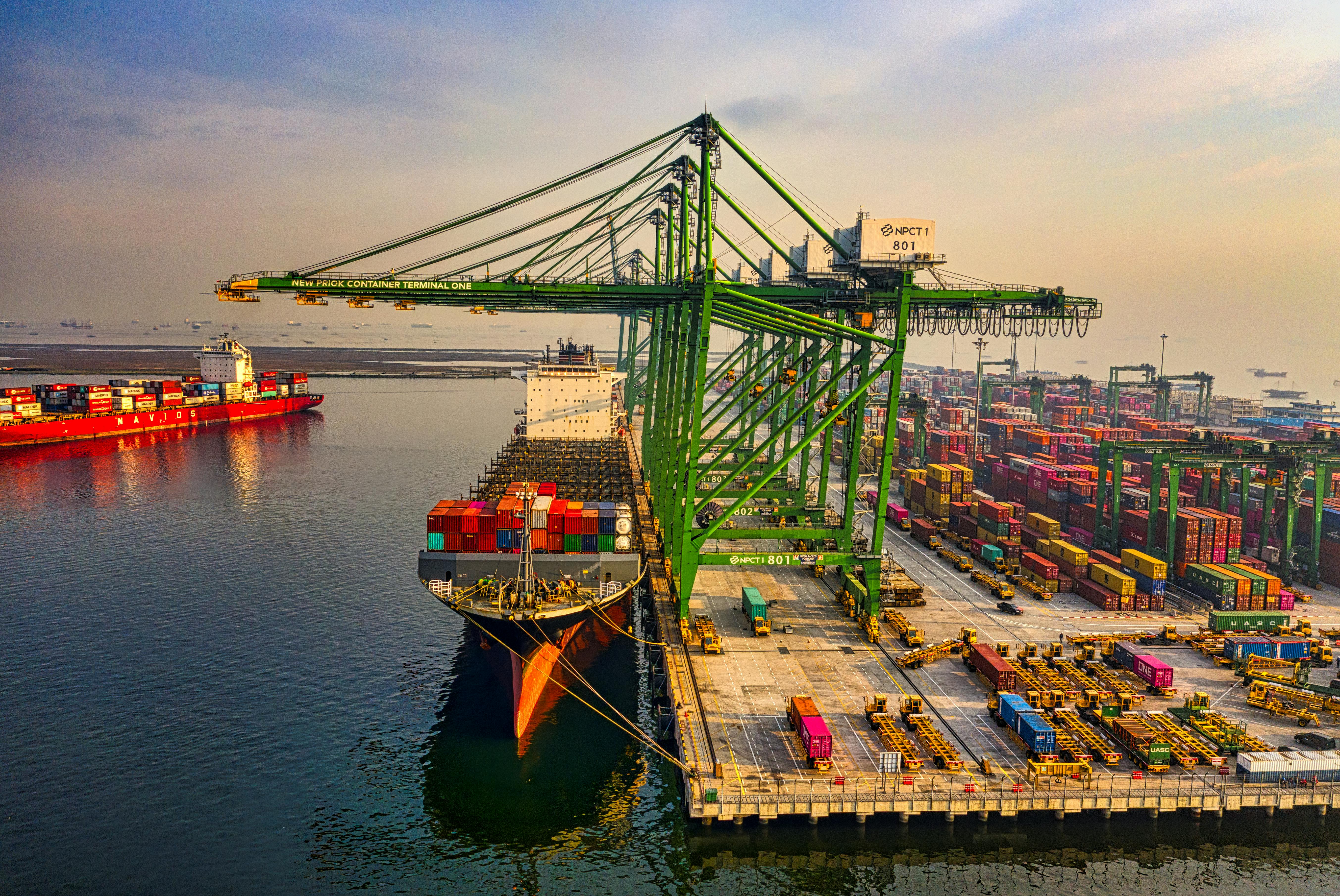
The European Union maintained a positive trade balance during the first quarter of 2026, as goods exported to non-EU nations outpaced inbound shipments by €12.7 billion, according to data released by Eurostat.
The newly recorded trade surplus shrank significantly from the €23.6 billion net positive balance documented during the final quarter of 2025.
Despite the quarterly volume of international trade pulling back by nearly half, the European trading block successfully preserved a long-term streak of positive trade returns.
The continuous run of trade surpluses was originally established during the third quarter of 2023.
The multi-year positive trajectory followed a highly challenging period of consecutive trade deficits that gripped the continent from late 2021 until mid-2023.
The historic period of economic weakness was heavily fuelled by soaring energy costs that penalised manufacturing output across the single market.
The recent downward trend in the net trade balance was primarily caused by a reduction in the export surplus for the machinery and vehicles sector.
The international trade surplus for these heavy industrial items fell from €39.8 billion in the final quarter of 2025 down to €27.8 billion in the first quarter of 2026.
At the same time, a sharp increase in the deficit on energy products placed further downward pressure on the combined European balance sheet.
The net trade deficit for imported fuel and energy deepened from minus €64.0 billion in the fourth quarter of 2025 to minus €72.2 billion in the first quarter of 2026.
The negative movements were partially offset by a welcome narrowing of the trade deficit for other manufactured goods.
The deficit in that manufacturing category contracted from minus €10.9 billion during the final months of 2025 to minus €5.0 billion in the first quarter of 2026.
Further structural support was provided by a rise in the trade surplus for other unclassified goods.
The surplus for these miscellaneous products climbed from €7.2 billion in the fourth quarter of 2025 to €11.5 billion in the first quarter of 2026.
Total international exports from the continent contracted by 0.1 per cent during the opening months of the year.
The minor decline in outward trade marked the fourth consecutive quarterly reduction for European exporters.
The continuous downward export trend is partly attributable to escalating global tariff tensions that disrupted traditional supply routes.
Conversely, total inbound imports to the trading block increased by 1.7 per cent during the same period.
The sudden uptick in foreign purchases successfully brought an end to three consecutive quarters of import reductions.





Click here to change your cookie preferences