
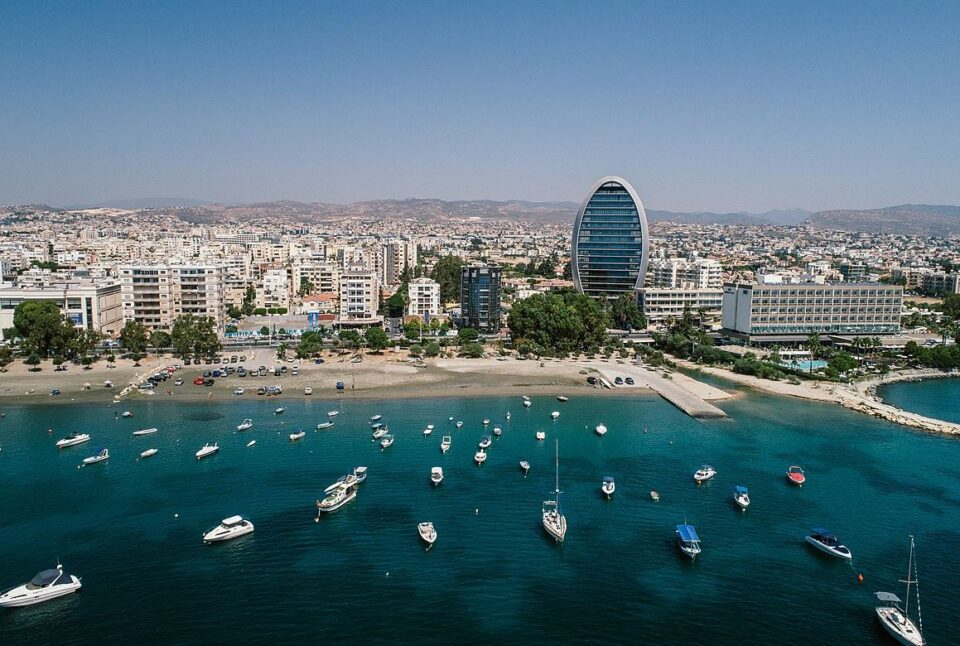
The Limassol Chamber of Commerce and Industry (Evel) has said the wastewater disruption that recently triggered an indefinite strike by tanker operators could have been avoided, arguing that it had warned the government for at least five years about the need for alternative disposal infrastructure.
In an interview with Entrepreneurial Limassol, a periodical published by the Limassol Chamber of Commerce and Industry (Evel), chamber president Andreas Tsouloftas said repeated warnings to the competent authorities went unheeded, leaving Limassol vulnerable when the Vati Wastewater Treatment Plant reduced operations during an ongoing upgrade.
Tsouloftas said the chamber had repeatedly sent letters and held meetings with the relevant ministers, stressing the need for timely planning.
However, he said the necessary measures were never implemented.
According to Tsouloftas, the current disruption is the result of inadequate planning and a lack of coordination between the authorities involved.
He described the current arrangement, under which the wastewater reception facility operates only two days a week, as unsustainable.
Tsouloftas also pointed out that, unlike other districts, Limassol has no alternative facility capable of receiving wastewater when the main treatment plant is partially out of service for upgrading or maintenance works.
The issue came to the forefront after wastewater tanker operators launched an indefinite strike and staged a protest outside the Presidential Palace, demanding that the government immediately designate a lawful site for wastewater disposal.
The operators said the reduced capacity at the Vati plant has resulted in long waiting times for tanker lorries, overflows and major difficulties in servicing households, businesses and hotels.
They also made clear that their industrial action would continue until a meaningful solution is found.
The Limassol District Local Government Organisation (EOA Limassol) has defended its handling of the situation, saying it cannot indefinitely increase the volume of wastewater accepted from tanker operators because its priority is the safe operation of treatment facilities serving the wider Limassol area.
The organisation said previous incidents had demonstrated the risks associated with overloading the treatment plant.
According to the EOA, the request to substantially increase the daily volume of wastewater received from tanker lorries cannot be accommodated because it could jeopardise the operation of a facility that processes approximately 30,000 cubic metres of municipal wastewater every day.
The organisation also explained that wastewater delivered by tanker differs significantly from sewage entering through the sewerage network because it may contain solid materials, toxic substances or other unsuitable waste capable of damaging the plant’s equipment.
An EOA spokesperson said tanker-delivered wastewater requires a dedicated acceptance procedure and pre-treatment process before entering the treatment system.
The spokesperson added that the long-term solution is the construction of dedicated storage facilities at the Vati plant, allowing wastewater to be received and treated gradually without disrupting normal operations.
According to the Water Development Department, unsuitable wastewater has also been identified at the facility, creating additional operational challenges during the upgrade.
The department expects the plant to return to full operating capacity by the end of the year.
The Water Development Department and the Department of Environment have attributed the current problems to the temporary impact of the upgrade works at the Vati facility.
They said measures have already been introduced to assist wastewater transport operators, including allowing the use of treatment facilities at Moni and Vathia Gonia, while additional options are also being examined.
The Vati Wastewater Treatment Plant handles domestic wastewater, industrial effluent, excess sludge and landfill leachate.
The ongoing upgrade is being carried out under a contract awarded by the Water Development Department following a public tender.
The contract was awarded to Michaniki Perivallontos S.A., with the agreement signed on February 4, 2026.
The agreement provides for the refurbishment of the treatment plant during the first year, followed by its operation and maintenance for five years, with an option to extend the contract for a further year.


Click here to change your cookie preferences