
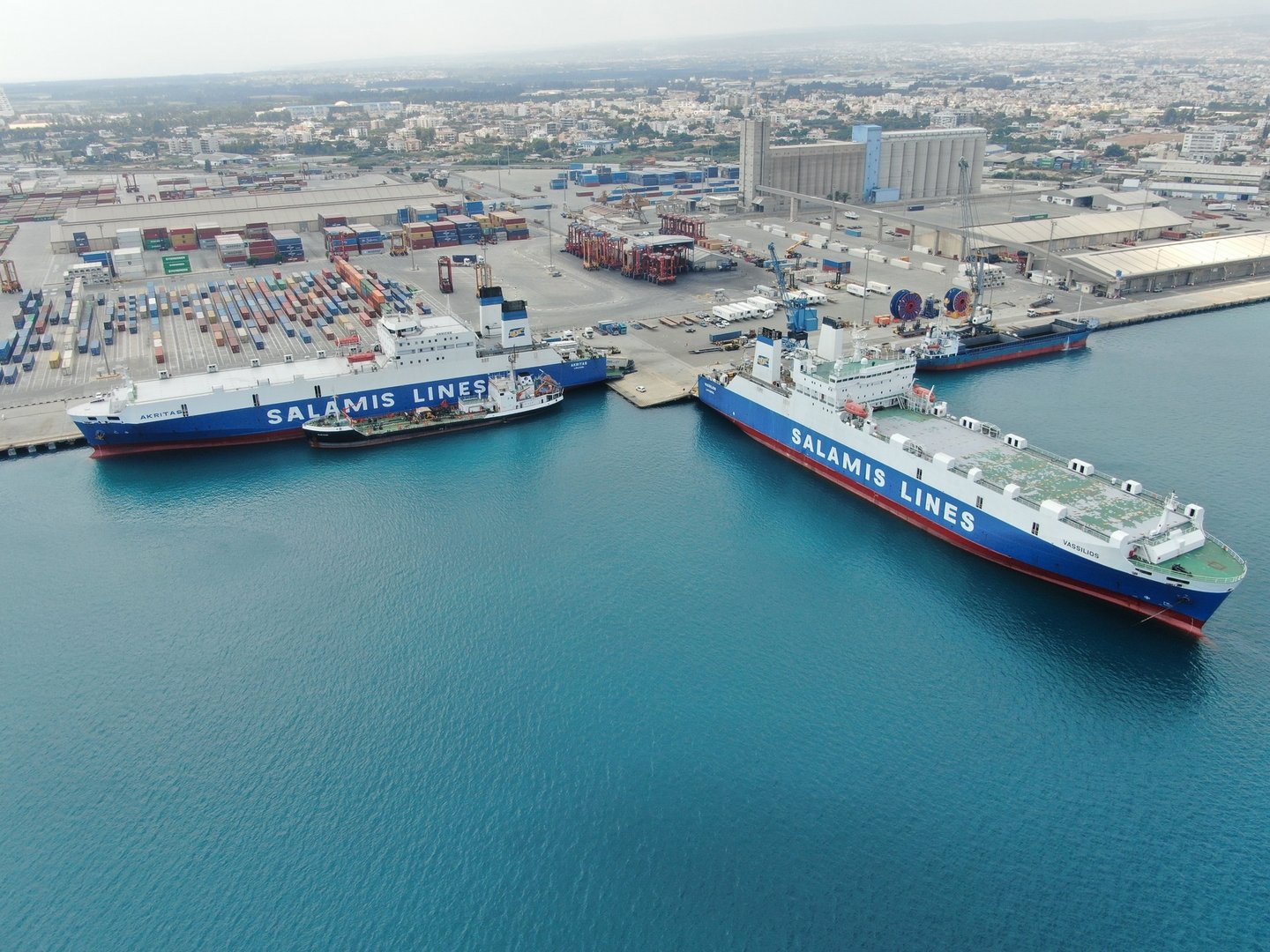
DP World, the global ports operator with a direct presence at Limassol port, is planning a new UAE east coast gateway that would allow cargo to bypass the Strait of Hormuz, as the war with Iran forces Gulf states to reconsider trade routes built around uninterrupted access to the waterway.
According to an exclusive Financial Times report, the Dubai-based group is in talks to develop a new multipurpose port on the Fujairah coast, alongside a new container terminal at the emirate’s existing port. Reuters said it had not independently verified the plans.
The development is particularly relevant to Cyprus because DP World operates the multipurpose and cruise terminal at Limassol port. DP World Cyprus was awarded a 25-year concession covering general cargo, break-bulk, Ro-Ro and passenger operations, while fellow group company P&O Maritime secured a separate 15-year concession for marine services, including towage and pilotage.
The proposed UAE facilities would deepen DP World’s presence on the Gulf of Oman and create an entry point outside Hormuz. Containers could be unloaded in Fujairah before travelling by road to Dubai, Abu Dhabi and neighbouring Gulf markets, avoiding the increasingly dangerous passage between Iran and Oman.
A senior company official told the FT that the new port could be completed within 18 months, emphasising the speed with which Gulf governments and businesses are attempting to build alternatives to the strait. DP World declined to confirm the individual projects, although it said that “plans are in the works” to overcome the disruption.
Nevertheless, the move would not replace Jebel Ali, the centrepiece of Dubai’s rise as a global logistics and re-export hub. The port handled 15.6 million twenty-foot equivalent units in 2025, accounting for a sizeable share of DP World’s worldwide container business. A senior official stressed to the FT that Jebel Ali would “never shrink”, suggesting the Fujairah development would serve as an alternative corridor rather than a competing hub.
Still, the plans represent a significant change in strategy. Jebel Ali’s warehouses, free zone and industrial operations were developed on the assumption that ships would continue to move freely through Hormuz. The conflict that began on February 28, following US and Israeli strikes on Iran, has exposed the risk of concentrating much of the region’s trade infrastructure inside the Gulf.
The urgency was reinforced by the latest traffic data, which showed that only six vessels crossed the strait on Sunday, the lowest number in five weeks, as renewed US-Iranian strikes and attacks on commercial ships intensified safety concerns. Oil and gas tanker traffic also fell to its lowest level since May 25.
Meanwhile, the WTO tracker found that shipping had shown only limited and uneven signs of recovery following the June 17 agreement, with crude, liquefied natural gas and fertiliser flows remaining far below normal levels.
The risks escalated further on Tuesday when UAE authorities said Iranian cruise missiles struck two Emirati tankers, killing one sailor and injuring eight others. The incident emphasised why DP World’s proposed eastward expansion is no longer simply a question of adding capacity, but of protecting the UAE’s trade network from a chokepoint that can no longer be treated as reliably open.



Click here to change your cookie preferences