
Ancient stories, presented the same way for hundreds of years, still have the power to captivate
By Karen Taylor
Thousands of miles apart, shadow puppets are used in two very different corners of the world to tell stories against a backdrop no more dramatic than a large white sheet. Using traditional methods that date back thousands of years, legends and fairytales are brought to life, sometimes with a modern spin.
Chinese shadow puppetry can be traced back to 100 BC and is thought to have first appeared when Emperor Wu of the Western Han Dynasty was depressed over the death of his favourite concubine. To cheer him up, a minister made a puppet out of cotton and silk in the likeness of the concubine and projected its shadow on a curtain for the emperor to see. The show brought the emperor some consolation, and a new art form to the rest of the world, which some people have described as the beginning of the film industry.
By the 13th century, shadow plays were a regular form of entertainment for Mongolian troops, who spread them to far off lands including Persia, Arabia and Turkey. From there they spread to Europe, and more than 20 countries are now known to have a shadow theatre tradition.
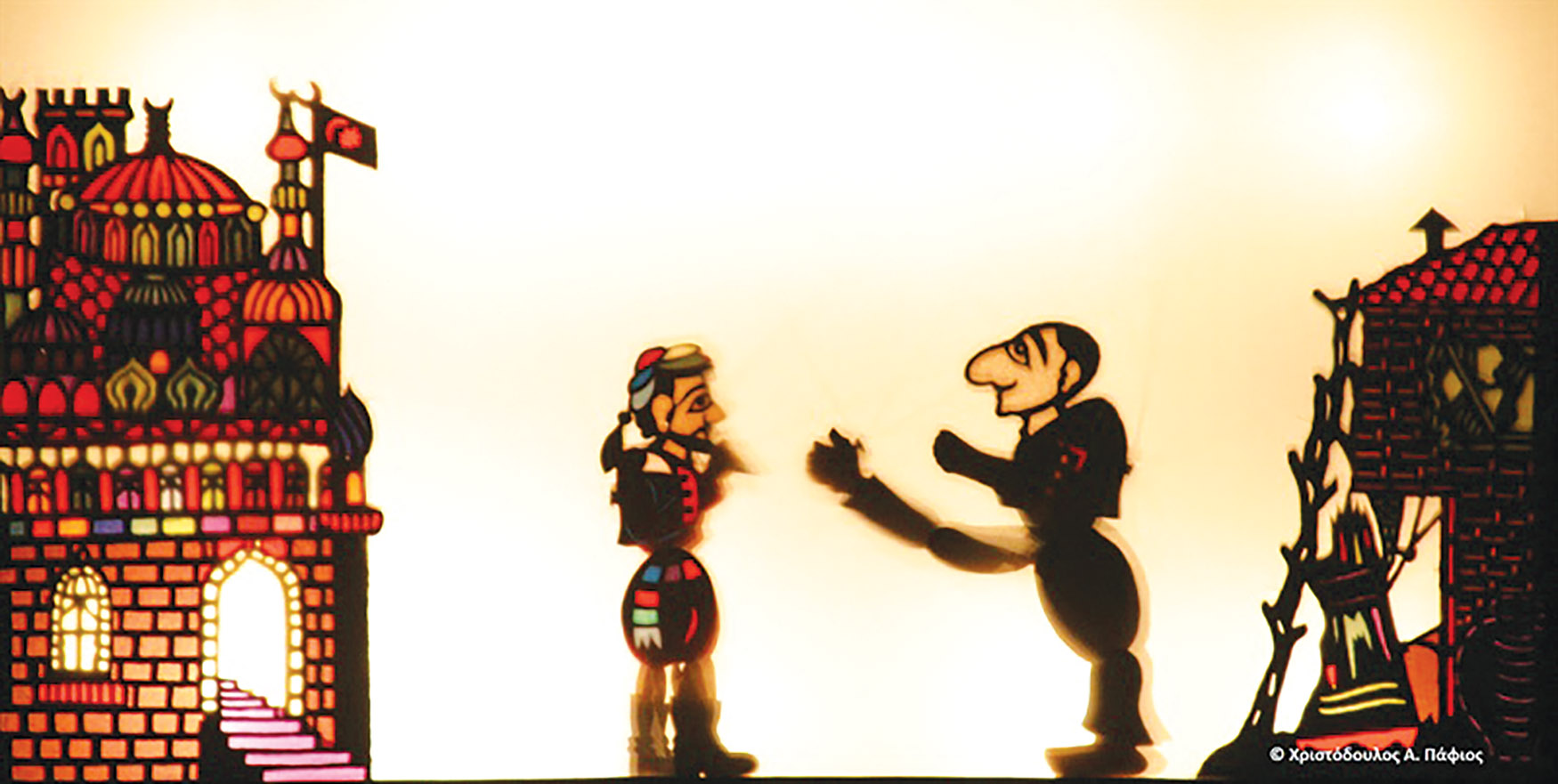
In Cyprus, Karagiozis, as shadow puppet theatre is known after the star of most of its shows, is thought to have originated with a displeased Pascha of the Ottoman empire who executed an employee called Karagiozis whose fantastic tales disrupted work. However, when the Pascha fell ill it was the tales told by Karagiozis that he requested, all of which other employees told him through the use of puppets.
Another version puts its origins in the hands of a Greek man called Mavromatis who brought shadow theatre from China to Turkey, where he settled and adapted its works to local Turkish practices and customs. He was given the Turkish name for black eyes, Karagiozis, with an assistant taking his show to Greece after his death.
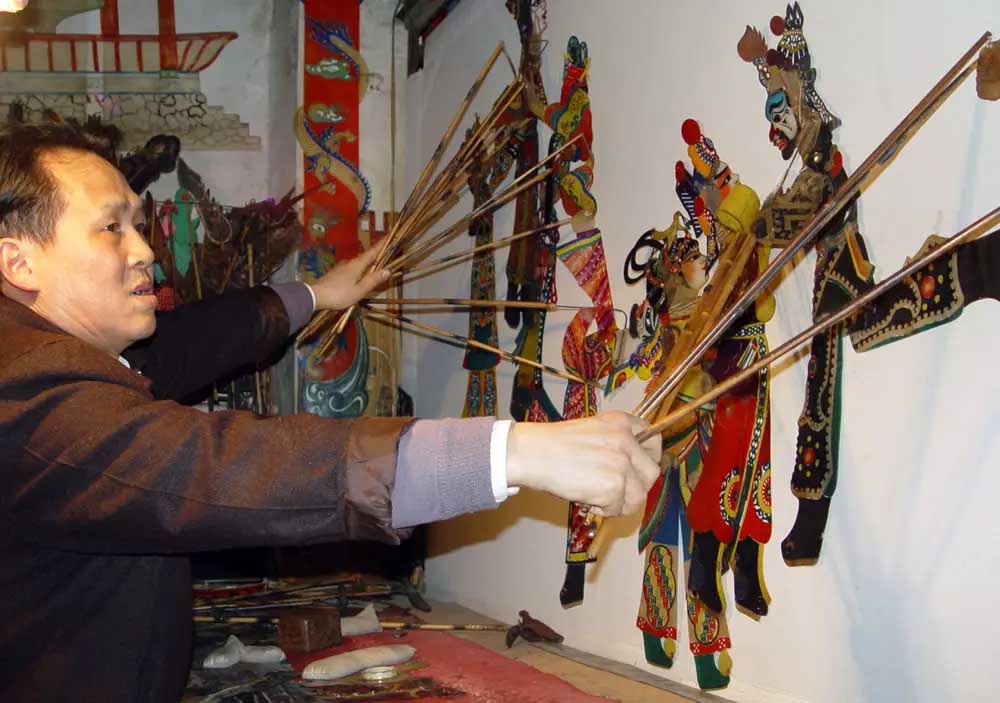
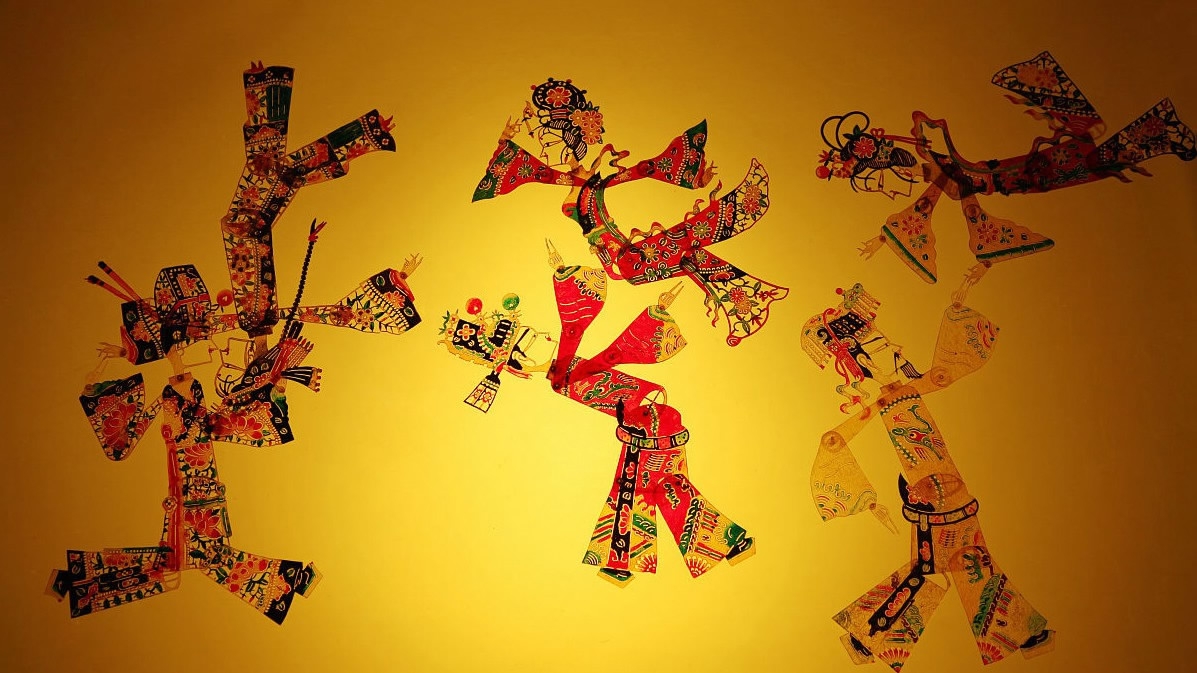
But, the puppets used in both China and Cyprus bear some differences. In China they are made from carefully prepared donkey, sheep or cow leather, while in Cyprus they have traditionally been made from wood or cardboard. Both, however, have jointed body parts and take an experienced puppet master to operate.
What began in China as a performance for royalty did, over time, reach a wider audience, becoming seen in celebrations and festivals, where one-sided flat figures with decorative patterns reflected the class of the figures portrayed. The performance is often accompanied by singing or opera in addition to music, with stories based mainly on legends and fairytales.
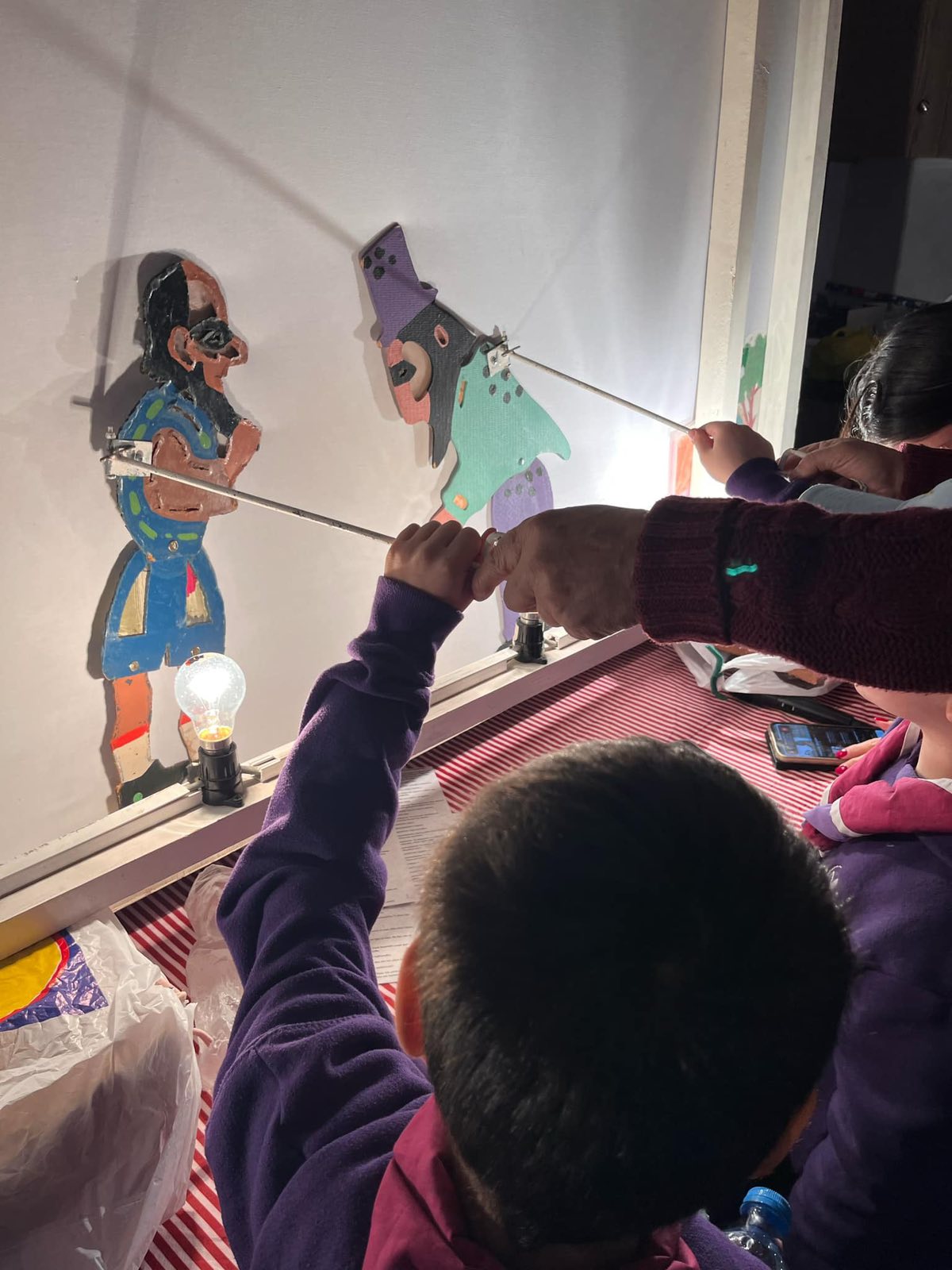
In Cyprus, the show can be a bit more vitriolic. Traditional entertainment for children and adults at amusement fairs, religious festivals and village events, the performances were initially accompanied by a violin and later recorded music. Karagiozis has been known for generations for his jokes and mischievous behaviour.
A century later, the little guy with the unnaturally long right arm is still alive and kicking. Performances are taking place around the island this summer, largely thanks to one extended family. “We are continuing the work of our grandfather, our father,” says Yiannakis Paphios who runs one of two local groups.
He sees a future for the trade and hopes one of his sons, for now his assistants, will follow in his footsteps. Otherwise, the fans that show up for performances and call out for more may take up the baton encouraged by the possibility of EU grants. His brother, Christakis runs a Karagiozis museum and workshop in Nicosia in addition to staging performances.
In China, willingness to follow in the footsteps of their forebears was taken a step further by two internet personalities who decided to give themselves a month to learn the art of staging a shadow puppet theatre show. Nanxiang Buaichifan and Jiuyue shared videos documenting their journey that have garnered over 20 million views on social media platforms.
Their efforts took them from the intricacies of handling cowhide, to drawing and carving, before ending in a joint performance with the shadow puppets they had made. They earnt from the best; Dang Feihua, a 23-year-old inheritor of the shadow puppetry tradition. His family owns a shadow puppet themed hotel in Beijing, which has shows three nights a week and teaches guests how to make puppets.
“In an age without smartphones, traditional performances were what kept our country entertained for thousands of years,” says Buaichifan. “Without elaborate props or teams of actors, a single performer is able to evoke the grandeur of armies, traversing the millennia”.
About Mirror of Culture
Mirror of Culture is a joint initiative of the Cyprus Mail and the Chinese embassy. It highlights the parallels between Cypriot and Chinese culture to set an example of acceptance, respect and
understanding among the various cultural communities on the island, recognising the fundamental importance of culture.
Culture is the universal language that transcends many barriers, including language and geography. The aim is to work with diverse cultural communities in Cyprus to share and promote our vibrant cultures to further bolster the bonds among all the people of Cyprus and celebrate the diversity of cultures in the world.
Furthermore, the initiative understands the importance of cultural preservation, which is an important way for us to transmit traditions and practices of the past to future generations.
.





Click here to change your cookie preferences