
For years, we have failed to develop a coherent long-term energy strategy
As Cyprus enters the run up to the 2028 presidential election, energy is perhaps the biggest economic challenge the next administration will inherit. From electricity prices and energy security to natural gas, renewable energy sources (RES) and interconnection with Europe, the decisions taken over the next presidency will shape the country’s energy and development model for decades.
The next administration will inherit an energy sector at a critical juncture. Electricity prices remain very high, generation adequacy is under pressure, renewable energy curtailment is increasing, storage and grid development have been delayed, natural gas has still not arrived, and the Vasilikos project remains incomplete.
The problem is that, for years, we have failed to develop a coherent long-term energy strategy and to move on to effective implementation.
From crisis management to long-term planning
Countries that succeed in energy first decide where they want their energy system to be in 20 years, and then select the investments needed to get there.
We often do the opposite. We select projects – LNG, RES, storage, interconnection – often at the last minute, reacting to problems without first developing an integrated plan. This leads to delays, cost escalation, overlaps and blurred responsibilities. Often, we do not even know what the final cost to consumers will ultimately be. There is also the chronic and corrosive problem of corruption, which must be tackled effectively.
The next government needs a binding energy plan to 2040. It should determine generation requirements, retirement of ageing plants, new conventional capacity, renewable capacity, storage requirements and the roles of natural gas and the Great Sea Interconnector (GSI).
Above all, there must be timetables, clearly designated responsibilities and accountabilities. We do not lack options. What we lack is planning and effective implementation.
Fundamental change
Dependence on petroleum products and the cost of carbon allowances continue to weigh heavily on prices and energy security. But they can no longer be the sole explanation. We are also paying for the cost of our own delays.
We still do not have natural gas. The electricity market has not delivered the genuine competition needed to bring prices down. Storage has been slow to develop. The grids need strengthening.
RES curtailment increased by 83 per cent in 2025. This shows that renewable development has outpaced the electricity system’s ability to absorb it. The solution is not simply to install more solar PV. We need storage, grid upgrading and digitalisation, better demand management and a genuinely competitive market.
Most importantly, the benefits of cheap solar electricity must reach consumers and not only renewable energy producers and suppliers.
When we produce renewable electricity and then throw it away, it is not simply a technical problem. It is an economic loss. Increasingly, the problem is one of market design and operation.
GSI: a new critical phase
Meridiam’s entry as majority investor has fundamentally changed the picture. A major international infrastructure investor is taking on investment risk and committing capital, while Greece’s independent power transmission operator (Admie) remains a strategic shareholder and technical leader. GSI has now become a commercial project.
That does not mean all the problems have been resolved. It still requires finalisation of financing, regulatory decisions and marine surveys, and geopolitical risk must be addressed.
Turkey should not be allowed to acquire a de facto veto over a European project. What is needed is tangible political and diplomatic support from the EU, the US and, now, France.
There must be full transparency over the cost and financing of major projects and clear allocation of cost overrun risk. Consumers cannot be expected to act as an unlimited insurer.
But GSI’s benefits must also be taken into account: greater competition, access to the European electricity market, better utilisation of renewables, lower reserve requirements and greater energy security. Even under conservative assumptions, the direct impact on consumers is expected to be broadly neutral, while the wider strategic benefits remain substantial.
Vasilikos: most difficult issue
The situation at Vasilikos is far more problematic.
The LNG import project can technically be completed. But the question now is at what additional cost, within what timeframe and with what contractual risk.
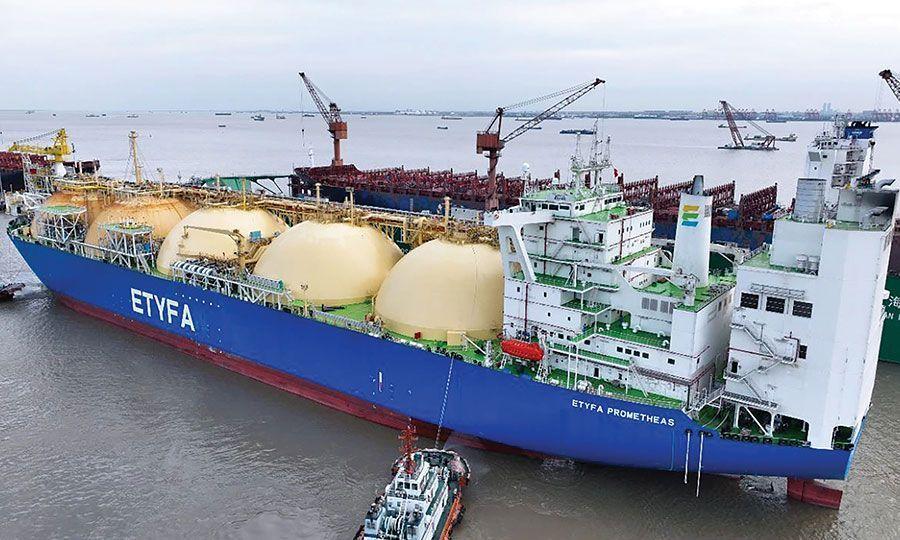
It is essential that, this time, the natural gas infrastructure company (Etyfa) selects a strong international contractor with proven experience, with a clearly defined scope of work and clear contractual responsibilities.
But even if the project is completed, its economics need to be reassessed. Total costs have risen so much that, if recovered through the price of gas, it is questionable whether it can contribute meaningfully to lowering electricity prices.
Also, the FSRU Prometheas should not be used simply because we have already bought it. The decision should be based on the lowest future cost and greatest reliability of supply compared with other options.
Cyprus gas discoveries
For the first time, Cyprus’ gas discoveries are moving into actual development.
The final investment decision on Cronos is an important milestone. First production is expected in 2028 through Egypt. But excessive expectations about government revenues should be avoided, as these are expected to be relatively limited due to significant commercial concessions.
Aphrodite is likely to follow around 2031 and, later, Glaucus and Pegasus. The aim should be to secure better economic returns for Cyprus. For exports, Egypt remains the most immediately viable option because of its existing infrastructure.
The government should examine whether a Cyprus gas discovery, particularly Calypso, could supply the domestic market over the long-term.
Cyprus requires only around 0.7–1 bcm of natural gas annually for power generation. A subsea pipeline from Calypso to Vasilikos could, if demonstrated to be viable, provide such a solution around 2032–2034.
LNG could then become a transitional rather than a permanent solution.
The next administration
By the end of the decade, three essentially irreversible changes should be under way:
First, an integrated energy plan extending to 2040, with clear responsibilities for implementation and accountability.
Second, a fundamental transformation of the electricity system, with large-scale storage, stronger grids and a genuinely competitive market so that cheap solar energy translates into lower bills.
Third, definitive decisions on energy security: natural gas, generation adequacy and an end to Cyprus’ energy isolation.
The key pieces of the energy puzzle are there. What is needed is to realise them through coherent strategy and effective implementation.
If we succeed, the picture could be very different within the next decade: more secure energy supplies, much greater utilisation of renewables, genuine competition, lower electricity costs and a modern energy system connected to Europe.
Cyprus does not lack energy options. The challenge for the next administration is to turn those options into decisions, those decisions into projects, and those projects into tangible benefits for consumers, the economy and the country.





Click here to change your cookie preferences