
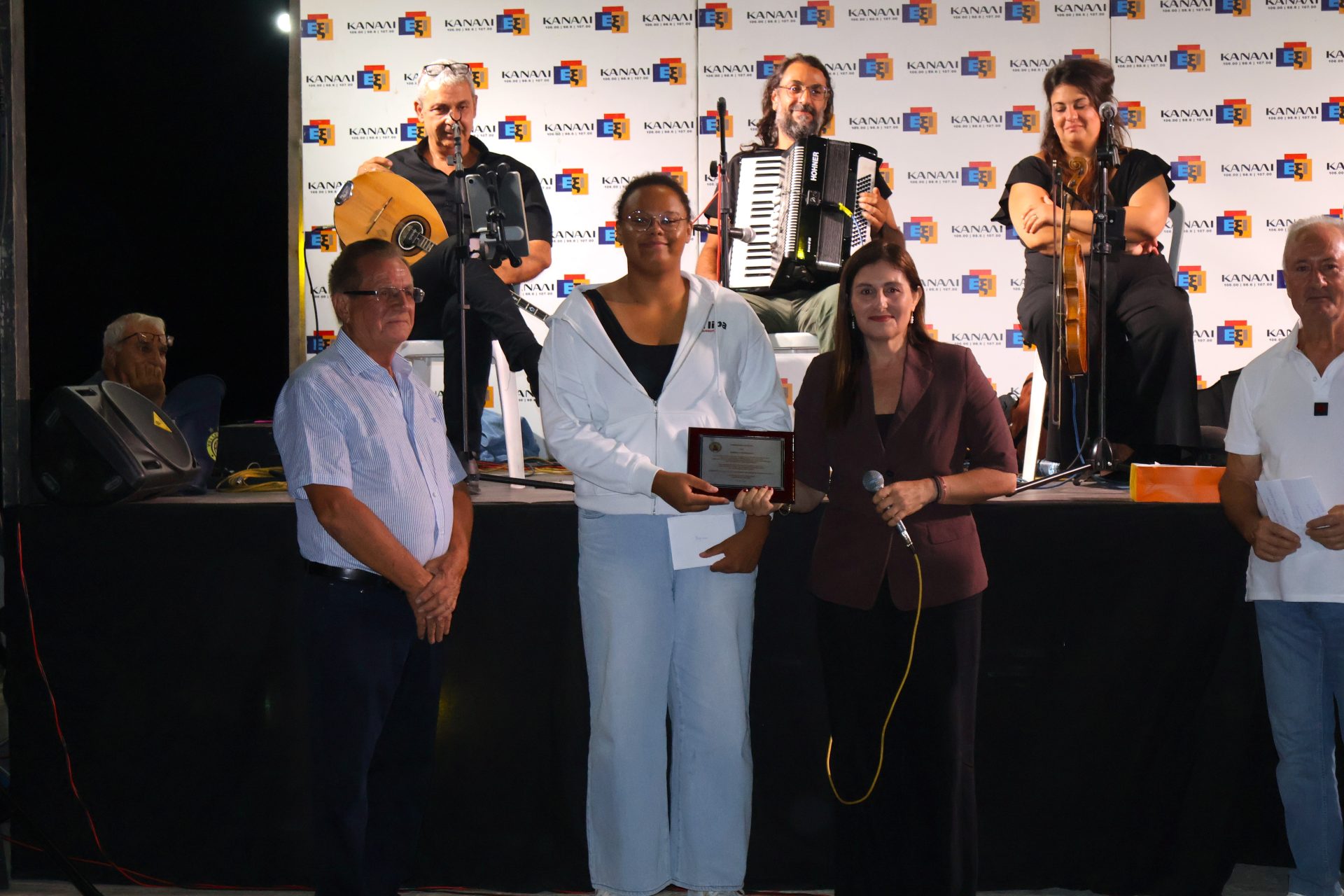
Reviving Cyprus’ villages requires more than new infrastructure, with investment in social life, culture and opportunities for young people equally important to their survival, Shipping Deputy Minister Marina Hadjimanolis said.
Speaking at Akapnou’s 36th annual community event over the weekend, Hadjimanolis said the government recognised the crucial role of rural communities in preserving the island’s cultural identity and strengthening social cohesion.
She said the Christodoulides administration would continue pursuing policies that support regional development, improve living standards and create prospects for younger generations.
The aim, she added, was to give young people genuine reasons to remain in their communities while encouraging those who had already left to return.
Her comments come as the government pushes ahead with a series of investments in rural Cyprus. In April, Interior Minister Constantinos Ioannou outlined a three-year €91m regeneration programme covering urban and rural communities across the island.
A month earlier, Ioannou announced a further €43m allocation for local projects, including urban planning and housing works alongside targeted subsidies for remote, mountainous and rural areas.
However, Hadjimanolis stressed that rural development “is not limited to infrastructure projects only”, but is closely tied to culture, volunteering, social life and the active participation of residents.
“A community that celebrates together, that collaborates and that keeps its history alive is a community with a future,” she said, pointing to Akapnou’s annual gathering as an example of how those connections can be preserved.
The event became an established part of the village’s social and cultural life, bringing permanent residents together with people from Akapnou living elsewhere in Cyprus and abroad.
Hadjimanolis praised the Akapnou community council, the association representing people from the village who now live elsewhere and the volunteers who have sustained the event over the years.
Beyond bringing people together for one evening, she said the gathering helped preserve the community’s collective memory and allowed those who had moved away to maintain strong ties with their place of origin.
“Communities are kept alive thanks to their people and their shared memories, to the traditions that unite them and to the willingness to continue walking together even if there is a distance between them,” she said.
That identity, Hadjimanolis added, is also preserved through local food. She emphasised Akapnitiki ttavas, the dish closely associated with the village and an integral part of its gastronomic tradition.
Preserving and promoting such customs, she said, protects the distinct identity of individual villages while strengthening Cyprus’ wider cultural heritage.
The evening also celebrated Akapnou’s younger generation, with Hadjimanolis inviting athlete Marina Hadjicosta, a student at the Lanitio sports lyceum, to the podium in recognition of her international success in the discus throw.
Hadjikosta was honoured after winning gold at the European Under-18 Championships in Rieti and bronze at the World Under-20 Games in Oregon.
Hadjimanolis described the achievements as a source of pride for Hadjicosta’s family, her coaches and the entire village. Her success, she said, showed that talented young people with determination and ambitious goals could emerge from even the smallest communities, compete internationally and bring distinction to Cyprus.




Click here to change your cookie preferences