
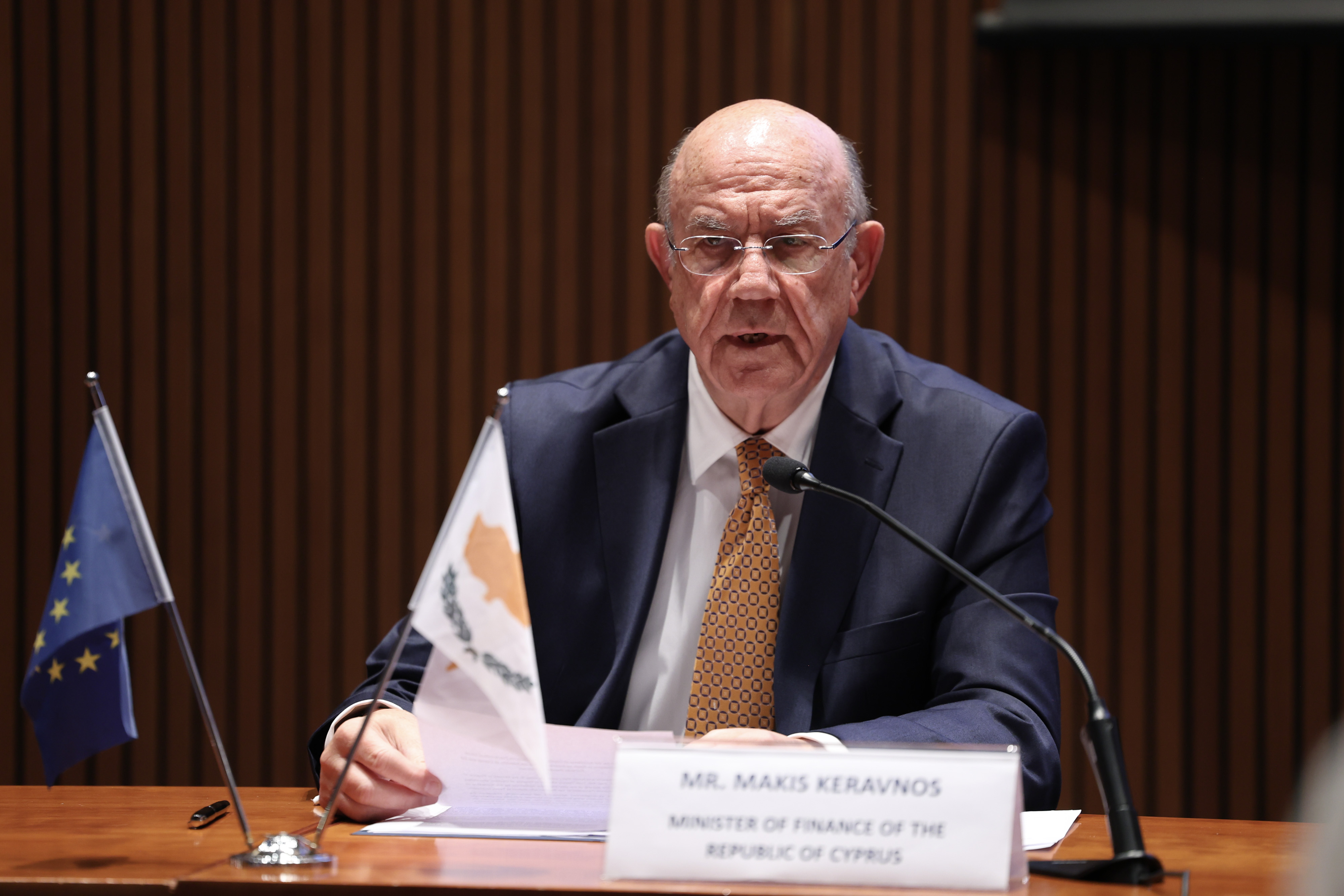
The Cyprus economy appears to be resilient to external shocks and continues to grow at a satisfactory rate, although inflationary trends persist, the finance minister said on Tuesday.
Makis Keravnos was speaking to journalists after attending a session of the cabinet, where he presented the semi-annual Fiscal Policy report.
“The Cypriot economy continues to grow at a satisfactory pace, despite heightened geopolitical uncertainty and the ongoing energy crisis with the rise in global fuel prices,” Keravnos said.
The economy grew 3.3 per cent during the first half of the year – three times above the EU average – he stressed.
The government aims to keep this performance going.
The labour market is likewise resilient – during the first half of the year the unemployment rate stood at 4 per cent.
Inflation meanwhile jumped from 0.5 per cent in January to 3.1 per cent in June.
The government forecasts that the inflation rate will settle at around 4 per cent by year’s end.
Keravnos said the administration is taking steps to counter the effects of inflation – with relief measures that are costed at €200 million.
Asked if the government will extend the reduced tax on fuel, the minister demurred, saying only that “measures are being assessed on an ongoing basis, and depending on developments any decisions will be taken at the given moment.”
Here, he recalled that the EU advises member-states that anti-inflationary must be targeted and of a short duration.
The reason the government can spend on relief is the fiscal surplus, which also helps bring down the national debt.
“We are not complacent, challenges persist, crises and wars are ongoing, with unforeseen developments,” said Keravnos.
“That is why we will continue to implement this prudent economic policy.”
During the first six months of the year, the budget reported a surplus of 1.1 per cent of GDP.
For 2026 as a whole, the government anticipates a surplus of around €900 million.
This, said the minister, “contributes decisively to continuing the government’s social policies, which amount to over €1 billion, or nearly 33 per cent of the budget.”
Asked whether he is concerned with the decline in the surplus, Keravnos said no.
“The goal is not to have surpluses for their own sake. Surpluses are there for our needs, and mostly to repay the approximately €1 billion in debt a year.”





Click here to change your cookie preferences