
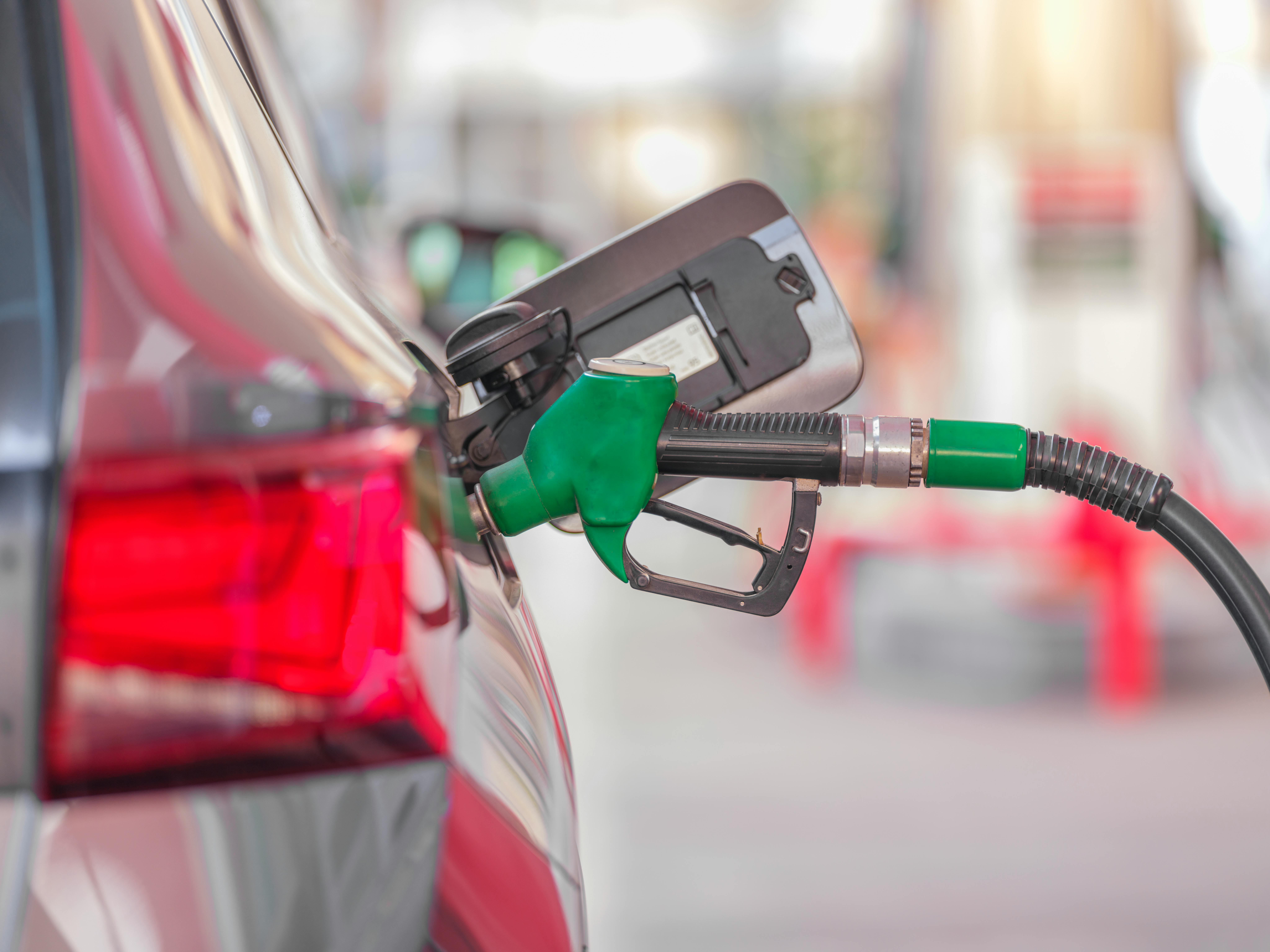
With petrol prices already at an average of €1.7 per litre and diesel over €2, there seems to be no room for optimism regarding the trend prices will follow in the near future, given the geopolitical situation in the region, head of the consumer protection service Constantinos Karayiorgis said on Wednesday.
As shipments of more expensive fuel continue to arrive, Karayiorgis told the Cyprus News Agency that “we cannot predict what will happen in the future, however we can also not say the forecast is optimistic, given the continuous increases of refinery prices.”
“We hope that there will be a prospect for a solution of disputes in the region, so that the situation stabilises,” he said.
Meanwhile, Finance Minister Makis Keravnos appears ready to take measures to the cabinet on September 30 to counterbalance the skyrocketing fuel prices.
Keravnos told Ant1 that the government was closely monitoring the situation and processing additional measures that will be announced “at the right time”.
That said, Keravnos pointed out that final decisions are yet to be taken.
According to Eurostat, Cyprus recorded one of the EU’s sharpest monthly increases in petrol prices in August, while fuel costs across the bloc continued to climb sharply on an annual basis.
Keravnos, however, cautioned against “alarmism” regarding rising fuel prices, while an energy expert predicted that high prices at the pump would persist until mid-2027.
Keravnos said that Cyprus “fares much better than any other country in the European Union” and that, despite the price hikes, which are global, Cyprus ranks as the fifth cheapest EU country in terms of petrol.
Energy expert Charles Ellinas said he anticipated that diesel would jump to beyond €2.20 a litre over the next couple of months. Other than prices, the expert also alluded to potential supply shortages creeping in.
Insisting that Cyprus’ prices were at a reasonable level, Keravnos wondered how high they would be if the government had not taken measures, which he said were still in place, namely a reduction in the special consumption tax by 8.33 cents per litre for petrol and diesel.
With fuel prices having an immediate impact on electricity bills, which subsequently pushed basic consumption prices up, Keravnos said its VAT could not be reduced below 5 per cent, citing European regulations. He also dismissed claims that electricity was subject to double taxation, explaining that this issue had repeatedly been discussed with the European Commission and no alternative handling could be proposed.
Keravnos also rejected opposition criticism, saying the country’s economy was doing well, despite the regional tension.
According to consumer protection service, prices on Wednesday for unleaded 95 petrol were an average of €1.7 per litre, ranging from the cheapest €1.59 to the most expensive €1.78.
Unleaded 98 petrol was an average of €1.76 per litre, ranging from €1.64 to €1.97.
Diesel for vehicles averaged at €1.97 per litre, ranging from €1.86 to €2.07.
Kerosene was an average of €1.48 per litre, ranging from €1.22 to €1.64.
Lastly, diesel for heating showed an average of €1.58 per litre, ranging from €1.48 to €1.69.





Click here to change your cookie preferences