
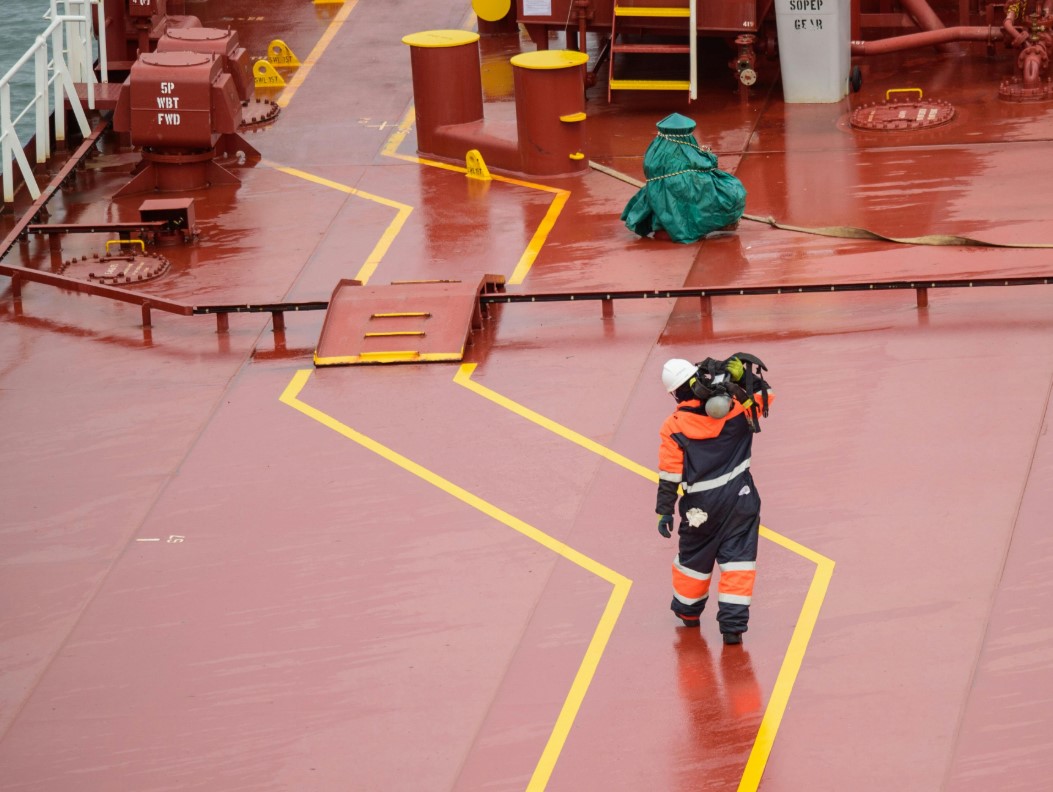
Columbia Group has called on the shipping industry to do more to retain and promote women at sea, warning that recruitment alone is not enough to address the sector’s gender imbalance, as its second She Beyond Conference took place in Manila.
Held as part of Crew Connect Global, the conference brought together female seafarers to share experiences, build connections and explore how the industry can create more opportunities for women throughout their maritime careers.
Building on its inaugural event, She Beyond forms part of Columbia Group’s wider commitment to supporting its people, from their first steps into maritime through to senior leadership positions.
The initiative comes as women remain significantly underrepresented in the maritime workforce, particularly in seagoing roles.
According to the latest IMO–WISTA Women in Maritime Survey, published in May 2025, women account for just one per cent of seafarers employed by the organisations surveyed, highlighting the need for greater recruitment, retention and career development opportunities.
However, Columbia Group believes attracting more women into the profession is only part of the challenge, with greater attention needed to ensure they can remain in the industry and progress into senior positions.
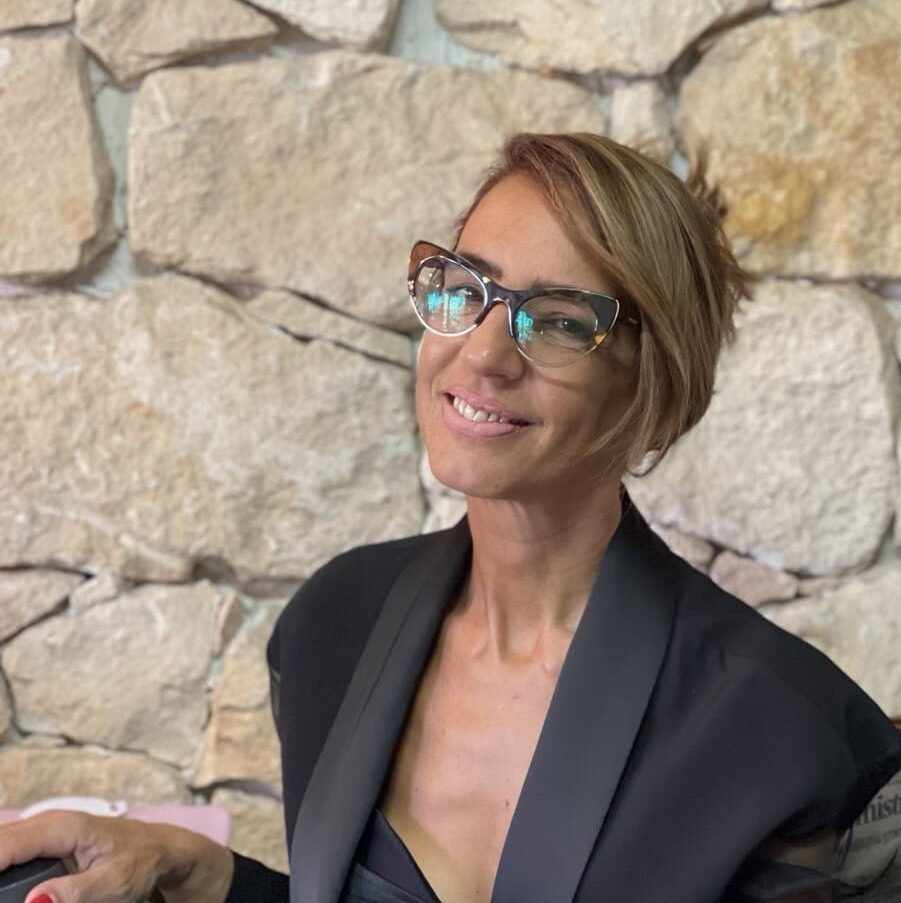
Claudia Paschkewitz, Director of Sustainability, Inclusion and Diversity at Columbia Group, said the industry needed to reconsider how it measured progress.
“We have spent years talking about attracting more women into maritime, but recruitment is only the beginning,” she said, adding that “The real measure of progress is whether women have equal opportunities to stay, progress and build sustainable careers.”
Beyond recruitment figures, Paschkewitz also stressed the importance of examining whether women were receiving the support and opportunities needed to advance professionally. “We need to look beyond how many women join the industry and examine whether they are being supported, promoted and given the opportunity to reach senior positions,” she said.
For this reason, she argued that retention and career development should be treated as priorities, rather than secondary considerations. “If we are serious about gender equality, retention and career progression must receive the same attention as recruitment,” Paschkewitz added.
To help address these challenges, Columbia Group has introduced several initiatives aimed at supporting women throughout their maritime careers.
Its Female Cadet Mentorship Programme pairs women entering the profession with experienced mentors who provide practical advice, encouragement and support as they adjust to life at sea.
Meanwhile, through She Beyond, the company aims to build a wider community of female seafarers who can share experiences, learn from one another and maintain professional connections throughout their careers.
These efforts form part of Columbia’s broader investment in seafarer welfare, training and professional development, including career progression programmes and conferences designed to encourage the exchange of knowledge and experience.
The group’s support also extends beyond the workplace, including assistance for crew members and their families affected by the war in Ukraine, recognising that sustainable maritime careers depend on the wellbeing of seafarers and their families.
Alongside professional development, Columbia has placed particular emphasis on the practical needs of women working onboard vessels.
Its iCare Packs for Women Seafarers, which provide medical readiness and personal care essentials, are intended to address some of the everyday challenges faced by female crew members.
Nevertheless, the company maintains that such measures must go hand in hand with respectful workplace cultures, clear career development opportunities and greater accountability for ensuring women are treated fairly throughout their careers.
This emphasis on longer-term support was also reflected in the comments of Simona Toma, Chief of Maritime HR at Columbia Group, who stressed the importance of hearing directly from women working at sea.
“She Beyond provides an important opportunity to listen to the experiences of our female seafarers and understand what more we can do to support them,” Toma said, while making clear that supporting women must extend well beyond their first appointment onboard a vessel.
Indeed, as she pointed out, “Our responsibility does not end when a female cadet joins her first vessel.”
Instead, Columbia’s focus is on helping women develop the experience and skills needed to advance professionally, with Toma adding “We must ensure she has the support, encouragement and opportunities to develop into an experienced officer and, ultimately, a maritime leader.”

Click here to change your cookie preferences