
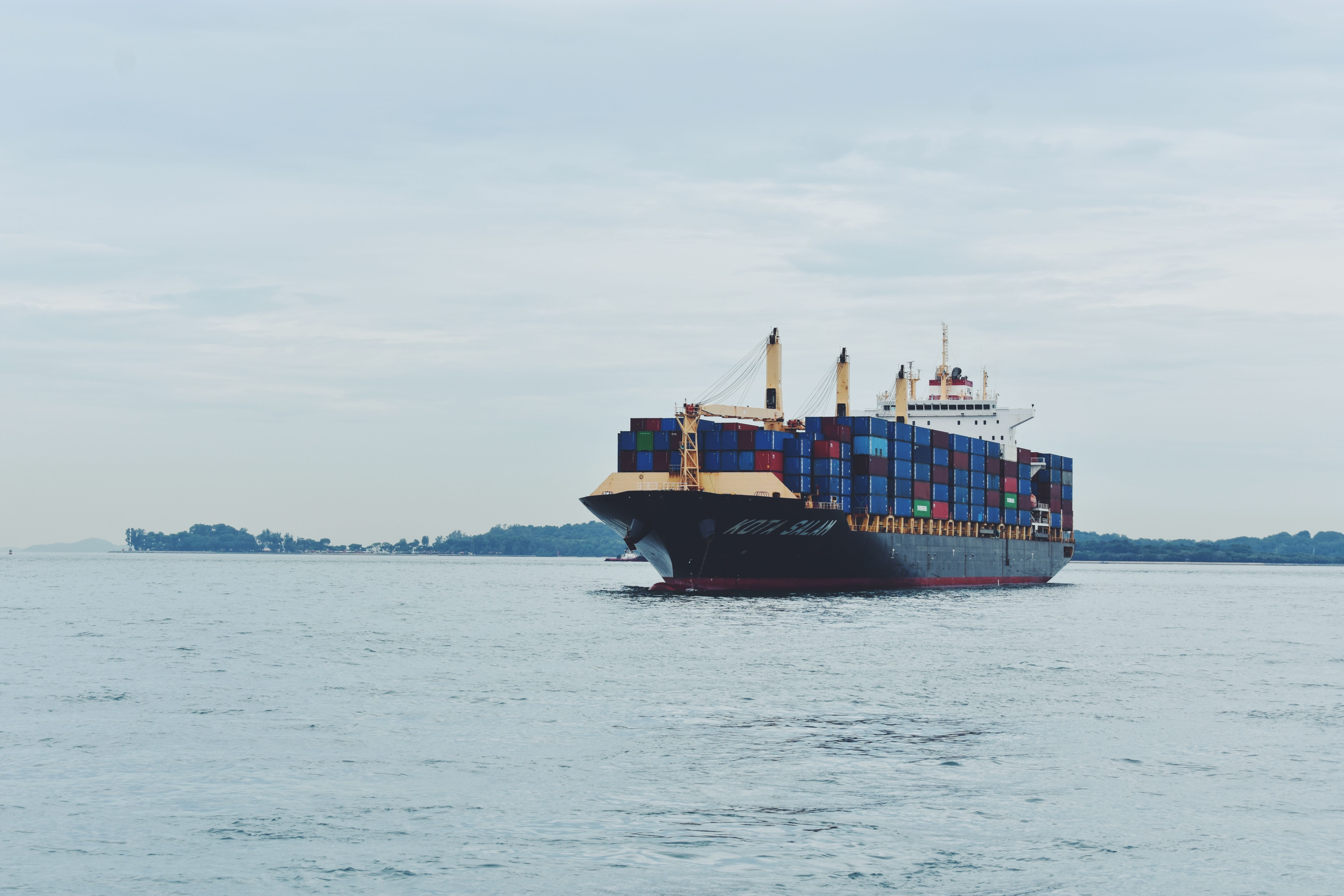
The Greek shipowners’ chief questions whether EU carbon revenues are getting in the way of a deal. In Cyprus, the shipping industry wants some of that money spent on cleaner ships.
Greece’s top shipowners’ representative has accused Brussels of putting a global deal on shipping emissions at risk, with negotiators due back in London on November 23 after an inconclusive round in September.
Melina Travlos, president of the Union of Greek Shipowners, said the EU was “effectively torpedoing the negotiations” by giving its delegates too little room to compromise.
She questioned whether Brussels cared more about keeping its own emissions rules and the revenue they generate than about reaching a global deal, according to Newmoney’s report. Travlos also argued that the EU’s stance would add to the burden on households already facing higher living costs.
Travlos said Greece and three unnamed EU countries, together accounting for 70 per cent of the EU-controlled fleet by her estimate, had repeatedly asked Brussels for more flexibility.
Cyprus had already agreed in September to coordinate with Greece, Italy and Malta on shipping emissions and competitiveness. All four later filed separate written comments on the draft EU position for London.
The EU’s negotiating position is provisionally listed for adoption on the day the London talks open. In September, European climate commissioner Wopke Hoekstra told Euractiv that a united EU position at the International Maritime Organisation (IMO) was “imperative”.
The row over revenues has a practical consequence for Cyprus. In an interview last week, Cyprus Shipping Chamber (CSC) president Andreas Neophytou said the Cypriot government should spend part of its carbon auction proceeds and penalties collected under FuelEU Maritime on helping shipping companies invest in cleaner technology. Cyprus raised €109.9 million from carbon auctions in 2025 across all sectors covered by the EU scheme, according to European Commission figures.
Cyprus had still to report how it used those proceeds when the Commission prepared its report. A separate July study by European Shipowners estimated that including shipping in the carbon market could generate about €73 million a year in additional auction revenue for Cyprus if carbon allowances cost €100 a tonne.
The chamber wants the EU to withdraw its regional measures once workable global rules are in place. Cyprus-based companies manage more than 3,000 vessels, in whole or in part, and Neophytou said uncertainty over the rules makes it harder to decide what ships to order and what fuels they should be able to use. A global agreement would also give suppliers a clearer idea of where to invest in producing and distributing those fuels.
Brussels has proposed reviewing its carbon market within 18 months of the IMO adopting a global carbon price. Under the July proposal, the Commission could then propose allowing shipping companies to surrender fewer EU carbon allowances for emissions already priced under the international rules.
The IMO draft would tighten a global marine fuel standard over time and require ships that fall short to make up the difference, including through payments into an international fund. The IMO approved the draft in April 2025, but governments postponed formal adoption that October. Travlos has previously backed a proposal from Panama and Liberia to link the pace of tightening to what cleaner fuels cost and how widely they can be supplied.
This week’s statement, Travlos said the rules had to be “pragmatic, proportionate and implementable”. She urged governments to consider whether cleaner fuels could be produced at scale, whether ports had the infrastructure to supply them and how much competition there would be from other industries. She also called for the rules to recognise emissions savings from making ships more efficient.
Travlos argued that the IMO’s climate strategy already gives countries room to decide how to meet its targets and that the measures should develop as technology and fuel supplies improve. She urged governments to draw on the strongest parts of the proposals before them to cut emissions without putting trade, food security or economic growth at risk.
The London talks begin with a working group from November 23 to 27, followed by the IMO’s Marine Environment Protection Committee from November 30 to December 3.
The committee will decide whether to resume the extraordinary session on December 4. The fuel debate will also be on the agenda in Limassol, where the CSC holds its first Global Shipping Minds Summit on November 27, the final day of the working group in London.




Click here to change your cookie preferences