
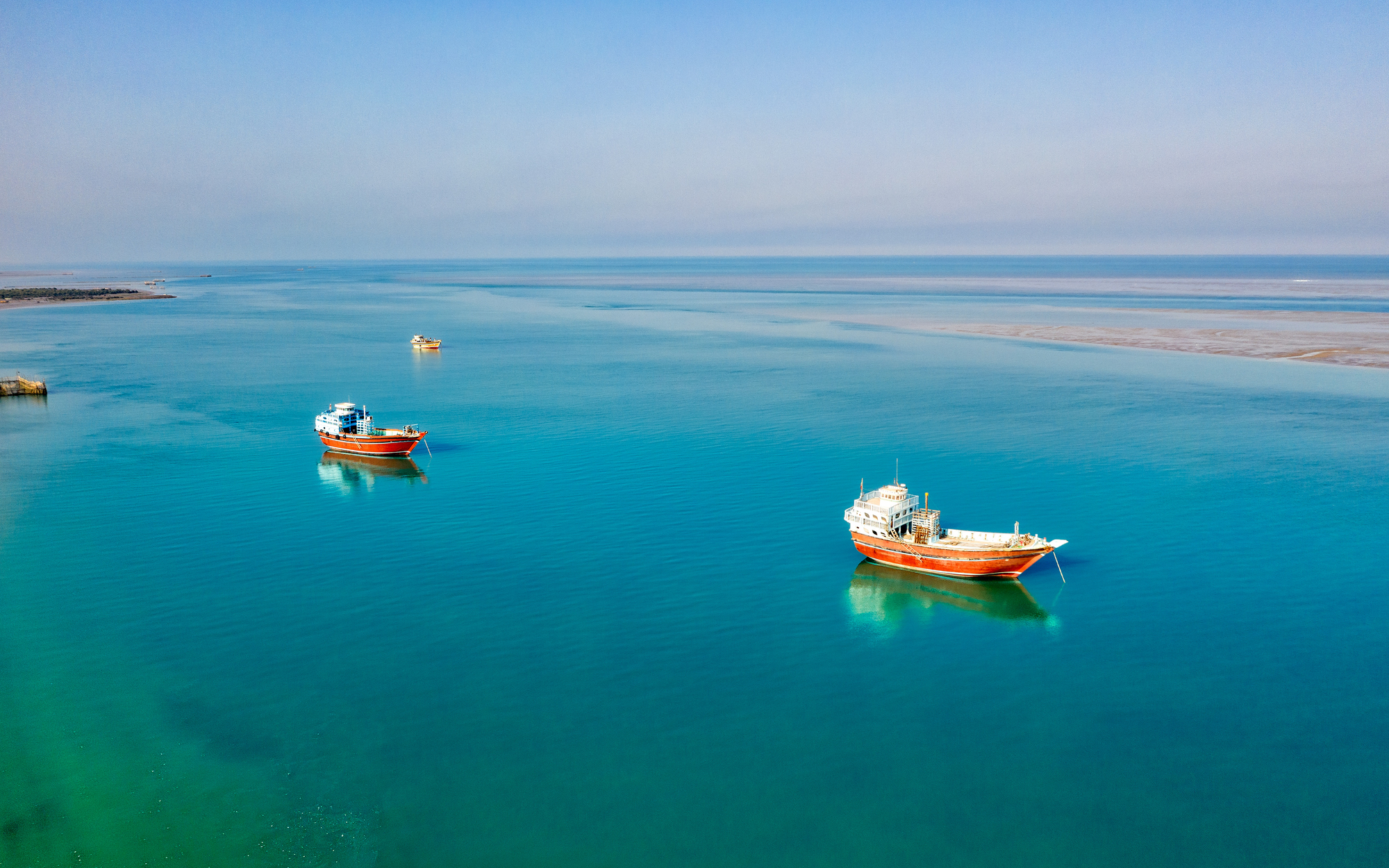
Gulf states intercepted Iranian and Houthi missiles and drones following a US strike on Qeshm Island, as diplomatic efforts to end the nine-month conflict continued.
Gulf countries said on Wednesday they intercepted missiles and drones from Iran and its Houthi allies in Yemen, after the United States had struck Qeshm Island in the Strait of Hormuz in an uptick of hostilities despite efforts to end the nine-month-old war.
The back-and-forth attacks were a reminder of the hurdles facing diplomatic efforts to end a war that has destabilised the Middle East, pushed up global energy prices and helped fuel the US voter anger that punished President Donald Trump’s Republican Party in the November elections.
Iranian and Houthi attacks target Gulf states
The Iranian army said it had targeted US drone and missile installations at Kuwait’s Ali Al Salem base, after the US ally said its air defences were countering hostile drone attacks. It was the first Iranian attack on the oil-rich country since September.
Neighbouring Bahrain said it intercepted Iranian aerial attacks for the third time this week. It accused Tehran of maintaining a “systematic hostile approach” of targeting the country, which hosts the US Navy’s Fifth Fleet.
The Saudi-led coalition fighting the Iran-aligned Houthis in Yemen said it destroyed a cruise missile launched by the militia towards the Saudi capital of Riyadh.
On Tuesday, on the opposite side of the Gulf, US fighter jets fired on a Revolutionary Guards missile launch site on Qeshm Island, said a US military official, who spoke on condition of anonymity.
The official said the strike was in response to Iran’s attacks on US personnel and assets.
Iranian media, citing an Iranian official, said the US attack did not damage infrastructure.
US plays down reported threat to Washington
Trump said on Tuesday the US was taking seriously the possibility that Iran could be planning an attack on Washington, when asked about a CNN report that cited US intelligence assessments on a potential Iranian plot involving a so-called dirty bomb.
On Wednesday, US Secretary of State Marco Rubio said he did not think there was any imminent threat to the US capital.
Iran’s Foreign Ministry had denied the allegations on Tuesday, calling them “baseless.”
A dirty bomb uses conventional explosives to disperse radioactive material. Unlike a nuclear weapon, it does not produce a nuclear explosion, but can spread radioactive contamination and cause significant disruption and public alarm.
Qatar and Oman pursue diplomatic solution
There are diplomatic efforts to resolve the conflict, which started when the US and Israel struck Iran on February 28 and has since widened to include Iranian strikes on Israel and US assets in the Middle East.
Qatari and Iranian officials met on Tuesday for talks aimed at “bridging perspectives and narrowing the gap between proposals presented on the ground,” Qatari spokesperson Majed Al Ansari said.
That followed a visit to Oman by Iranian Foreign Minister Abbas Araqchi, where he held talks on safeguarding maritime corridors and ensuring the smooth flow of global shipping and trade, Oman’s Foreign Ministry said.
Strait of Hormuz shipping faces further disruption
Oman and Iran lie on opposite sides of the Strait of Hormuz, a vital waterway that carried about one-fifth of global energy supplies before the war but which is now partly blocked by Iran.
Araqchi said in a post on Telegram that he met Oman’s Sultan Haitham bin Tariq and informed him about Iran’s diplomatic initiative to end the war.
Oman has previously held talks with Tehran about controlling traffic in the strait, which is a sticking point in negotiations.
A surge in tanker attacks since October threatens to further strain global oil supplies. On Tuesday, a crew abandoned a liquefied petroleum gas tanker off Oman’s Khasab.
Meanwhile, Iran has kept pressure on Washington through its Houthi allies, who have intensified attacks on Saudi Arabia — the world’s largest oil exporter — while tightening control over Yemen’s Bab el-Mandeb Strait, opposite Hormuz, in an effort to squeeze Gulf oil producers.



Click here to change your cookie preferences