
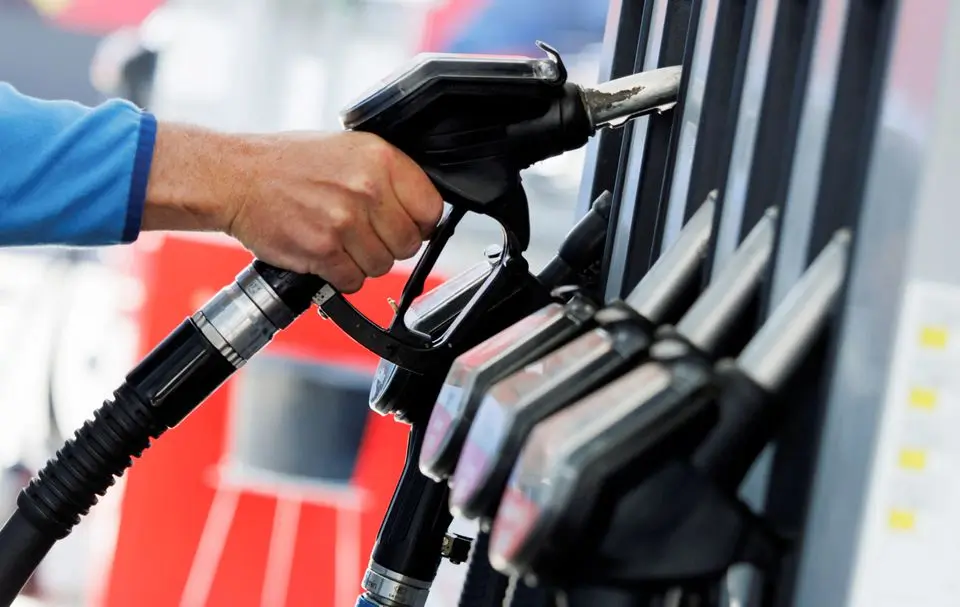
The House on Thursday passed a law requiring petrol stations to issue receipts showing a breakdown of the final sales price – the actual cost of fuel and the taxes.
The requirement kicks in as of February 1.
Tabled by Disy MP Nikos Georgiou, the bill received widespread praise at the plenum.
In remarks on the House floor, Georgiou said that at a time of high cost of living, consumers should know how much they’re paying for the fuel and how much for the taxes.
It would boost transparency, although he acknowledged that on its own it would not bring down prices.
Akel MP Andreas Pashiourtidis said the measure should be welcomed by the petrol station owners, as it would show that at times of higher prices, the government is earning more tax revenue.
Alma’s Irini Charalambidou recalled that, during a recent parliamentary discussion, government officials were not in a position to provide data on tax revenue from motor fuel sales.
The measure would also help consumers identify which petrol stations apply discounted tax rates, after reports that some outlets failed to lower their prices.
In other related business on Thursday, MPs passed a law extending to the end of March 2027 the discounted excise duty on motor fuel.
The bill had been fast-tracked to the plenum.
The discounted tax rates had been set to expire at the end of November.
For the government, the fiscal impact of the lower tax earnings for the period up until March is estimated at around €25 million.
The tax reduction cuts the excise duty on petrol from €0.429 to €0.359 per litre and on diesel from €0.40 to €0.33, with the figures including VAT.
During the discussion at the plenary, MPs recalled that the excise duty has been cut to the lowest level allowable by the EU.
However, the government is in talks with the European Commission for a possible further reduction, as an exemption.





Click here to change your cookie preferences