
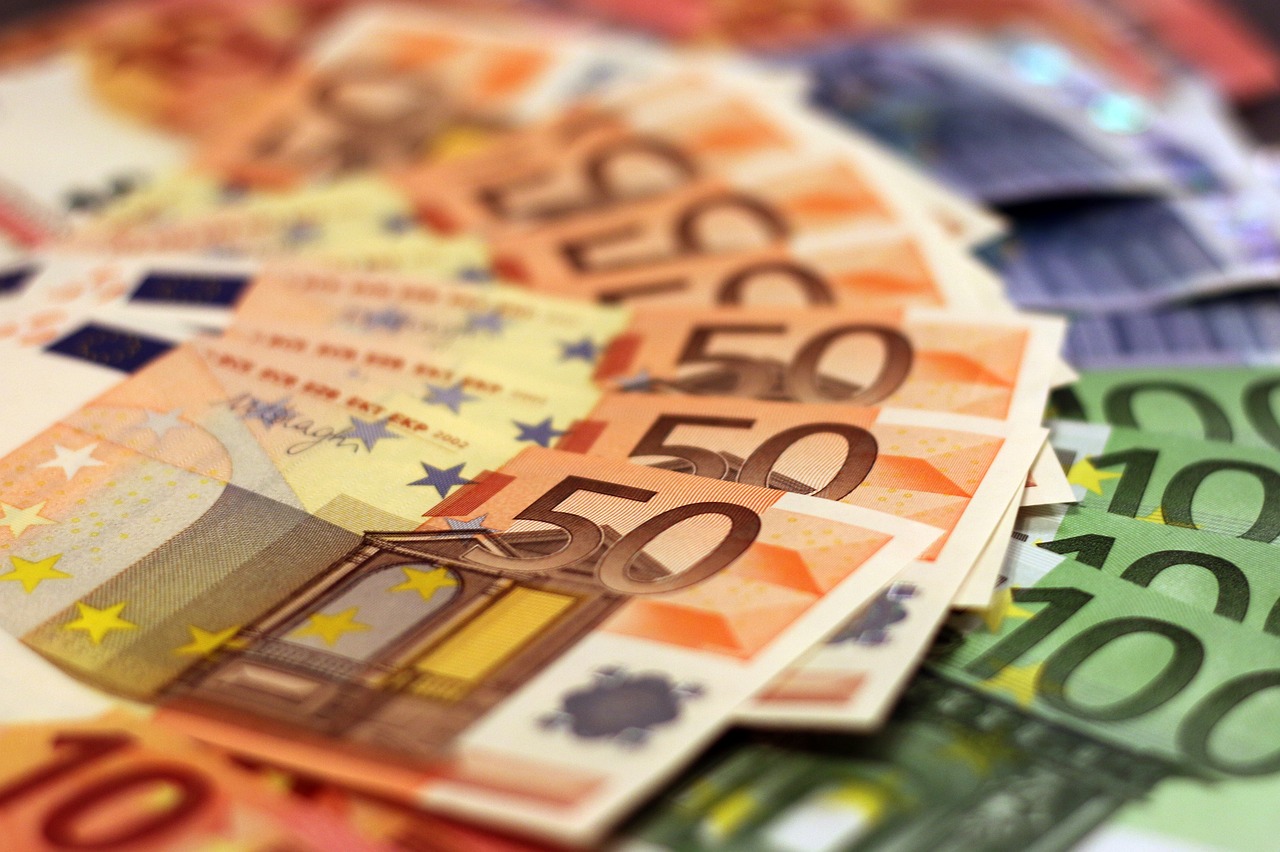
MPs on Thursday discussed proposals to tighten up checks on campaign spending for presidential elections, with the aim of enforcing the new rules ahead of the 2028 presidential ballot.
Two bills have been tabled, one by Akel, the other by Alma.
Akel’s proposal provides for expanding the official campaigning period to 12 months from six months currently.
This is to keep tabs on campaign spending caps for a longer period of time, given that under current practice candidates begin spending on ads well before the six months prior to an election.
As a result, as things stand now, any spending occurring prior to the six-months period does not count toward the €1 million cap.
In tandem, Akel proposes raising the €1 million spending ceiling to €1.7 million – over the mooted 12-month period.
For the two presidential candidates making it to the runoff, they would be allowed to spend an extra €300,000 between the first and second round of elections. That would bring the maximum allowable expenditures to €2 million for each of these two candidates.
Akel also proposes that political parties be permitted to make campaign expenses, but that these expenses would not count toward the spending cap.
However, there would be a limit to what the parties could spend – no more than 20 per cent of the annual state grant given to any given party.
For example, Disy currently gets approximately €2 million from the state grant. Under Akel’s proposal, Disy would therefore be allowed to spend on the election campaign up to 20 per cent of that – or €400,000.
As to Alma’s bill, it likewise proposes a 12-month official campaigning period for the purposes of checking campaign spending. Their proposal does not increase the €1 million cap.
Additionally, should a candidate exceed the €1 million maximum, he or she would be obliged to return any excess amount to the Central Elections Service – the interior ministry department in charge of organising and holding elections.
The excess amounts would have to be returned within 30 days of a request by the Chief Returns Officer. Once the moneys are returned, they would go into the government’s main account.
The changes are meant to rationalise the current system, under which actual electioneering starts well before the six months prior to the date of an election. In practice, that means that any expenses made before the six-months window slip under the radar.
MPs hope to get the legislation passed by February 2027 – exactly one year before the 2028 presidential elections. That’s because of a consensus that elections-related laws should not be altered after the one-year countdown to an election begins.
Moreover, Alma seeks to regulate the issue of maximum one-time donations to a presidential candidate.
Alma MP Odysseas Michaelides noted that, whereas a political party may receive a donation of up to €50,000, no such limit applies to presidential candidates.
He recalled that Nikos Christodoulides, running for president back in 2023, had received a donation of €200,000 from a shipping company.



Click here to change your cookie preferences