
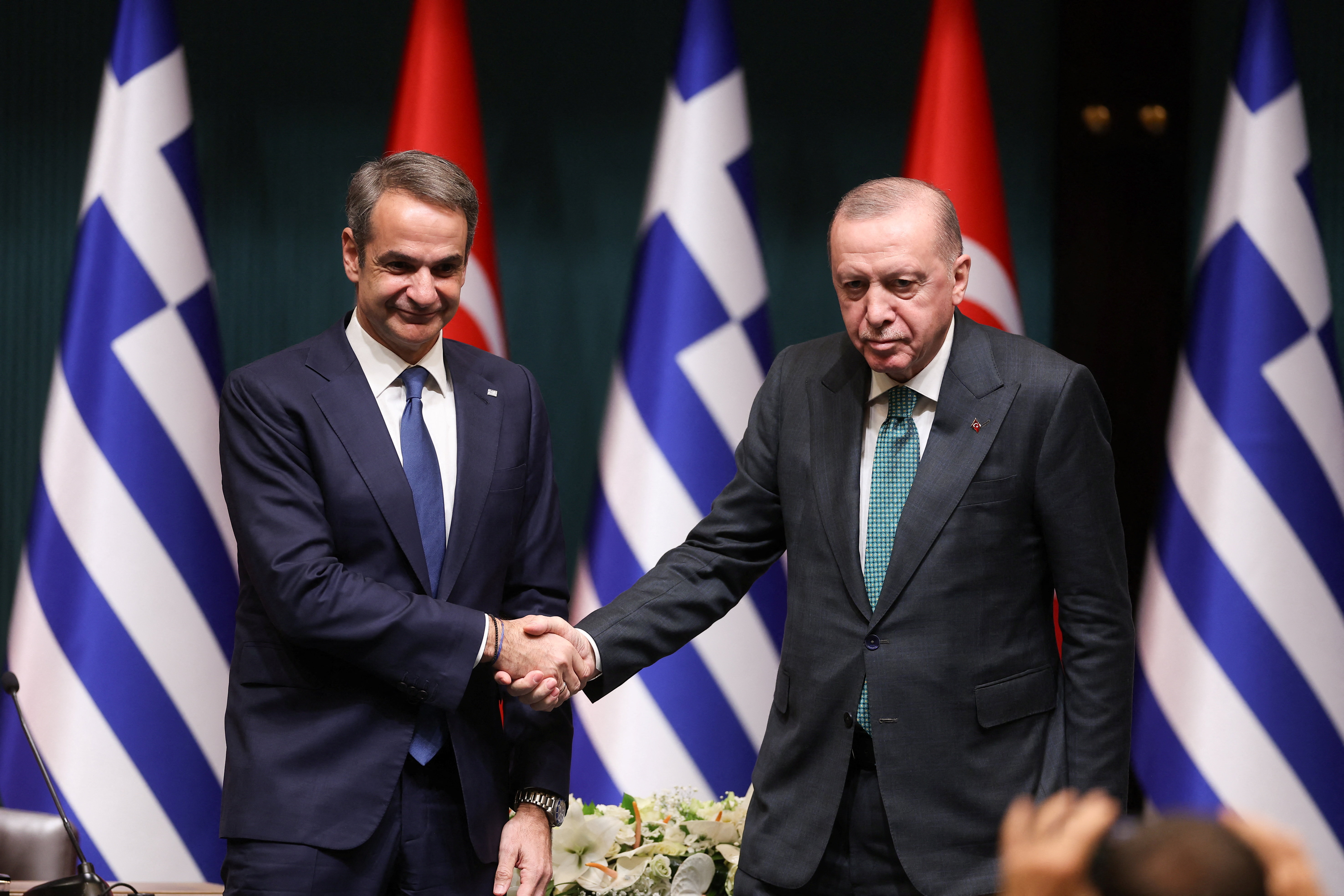
Turkey has challenged Cyprus, Greece and Egypt in a letter to the United Nations, reiterating its claims over maritime zones in the Eastern Mediterranean and defending its “Blue Homeland” doctrine.
Ankara accused its neighbours of violating Turkey’s “unilaterally” declared Exclusive Economic Zone (EEZ) and called into question Cyprus’ sovereign rights.
The letter, submitted on 16 February, dismissed the Republic of Cyprus as an illegitimate entity, insisting that “no single authority represents both Greek and Turkish Cypriots.”
Turkey further criticised joint energy projects between Cyprus, Greece, Egypt and Israel as “attempts to confine Turkey to its continental shelf.”
Turkish MP Ayse Bohurler warned on Friday that Ankara is monitoring developments closely and “will respond with action if deemed necessary.”
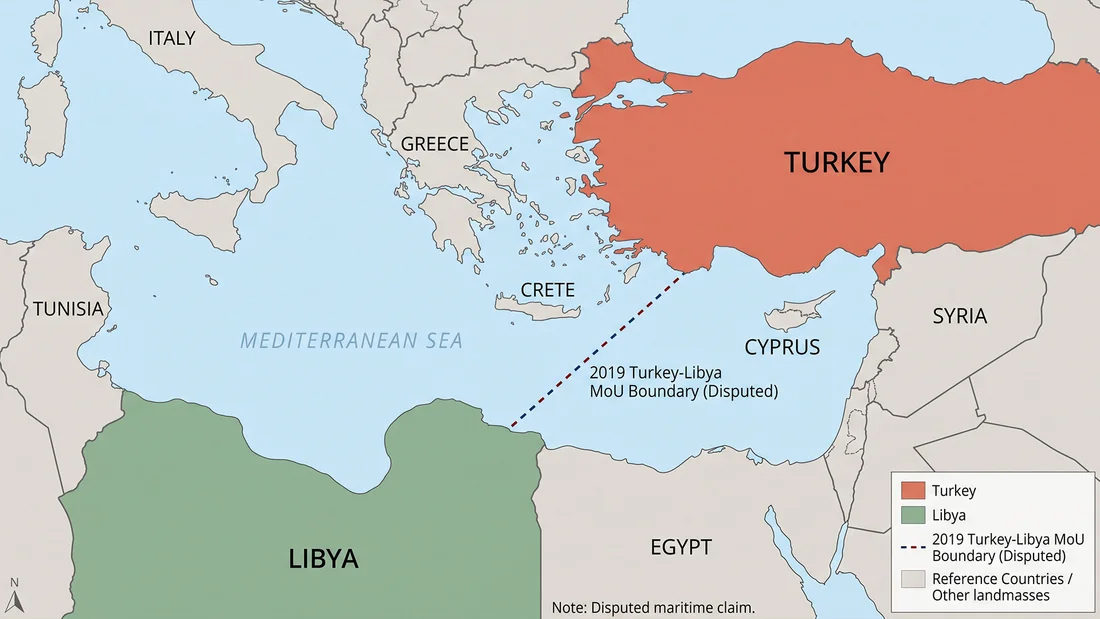
Greece was singled out in the dossier for defining maritime boundaries south of Crete under domestic law, following the entry of US energy firm Chevron into exploration blocks.
Ankara argued that “Greece’s efforts to defend its maximalist claims are ineffective, produce no legal consequences for Turkey, and cannot affect Turkey’s rights to the continental shelf.”
The letter reaffirmed Turkey’s support for the 2019 Turkish-Libyan Memorandum, which delineates maritime zones, yet has been widely rejected by regional states.
Turkey also targeted the 2020 Greece-Egypt maritime agreement as illegal, claiming it infringes on Turkish jurisdiction.
The letter dismissed Greece’s 2025 maritime spatial plan as unilateral and argued that islands should not automatically generate full maritime zones where their location disrupts equitable delimitation.
“Relevant international case law recognises limited influence for islands in certain circumstances, including coastline comparisons,” it stated.
In response Athens rejected the claims, describing them as “arbitrary interpretations of international law, questioning the legitimate rights of our country while refusing to recognise the Republic of Cyprus.”
Greek officials reaffirmed that islands hold full rights to maritime zones and called on Turkey to comply with international law for regional stability.
Chevron’s exploration south of Crete, part of a US-backed initiative to expand energy production, has heightened tensions.
Turkey’s defence ministry condemned the activity as unlawful under the Turkish-Libyan memorandum and pledged to “continue providing support to the Libyan authorities” to counter the operation, while acknowledging it does not directly affect its continental shelf.
Analysts say the letter signals Ankara’s intent to assert leverage over regional energy developments as US and EU strategies increasingly shift away from Russian supplies.
Turkey concluded its letter by reaffirming its apparent willingness to negotiate.
“Turkey remains committed to the spirit of the Athens Declaration (that being the 2023 memorandum that sought to ease rhetoric between Greece and Turkey) to resolve disputes through direct consultations or other means of mutual choice,”



Click here to change your cookie preferences