
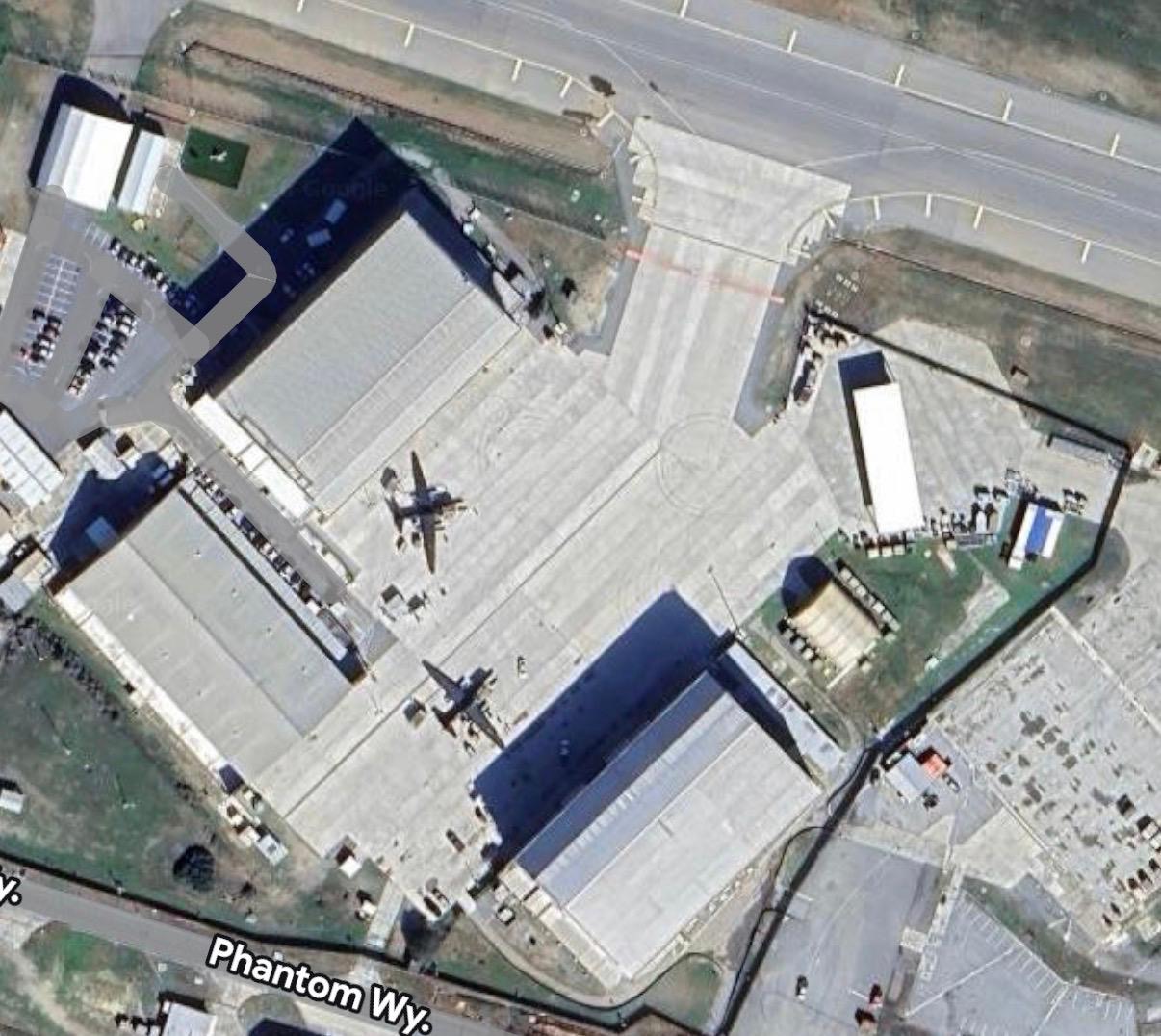
Insurgent group Hezbollah used Google Maps to plan the drone strike which it carried out on Cyprus’ British Akrotiri air force base, according to reports on Monday.
British newspaper The Times quoted a “military source” as having said that last week’s drone strike was concerning “because they were hitting what they were aiming at”, with Google Maps’ satellite imagery showing an American Lockheed U-2 reconnaissance aircraft parked outside the hangar which was reportedly hit by the drone.
As such, the source said that it was unlikely that last week’s attack had come about as the result of a “sophisticated intelligence gathering operation”, but that instead, the information available “suggests that they’ve got Google Maps and a GPS”.
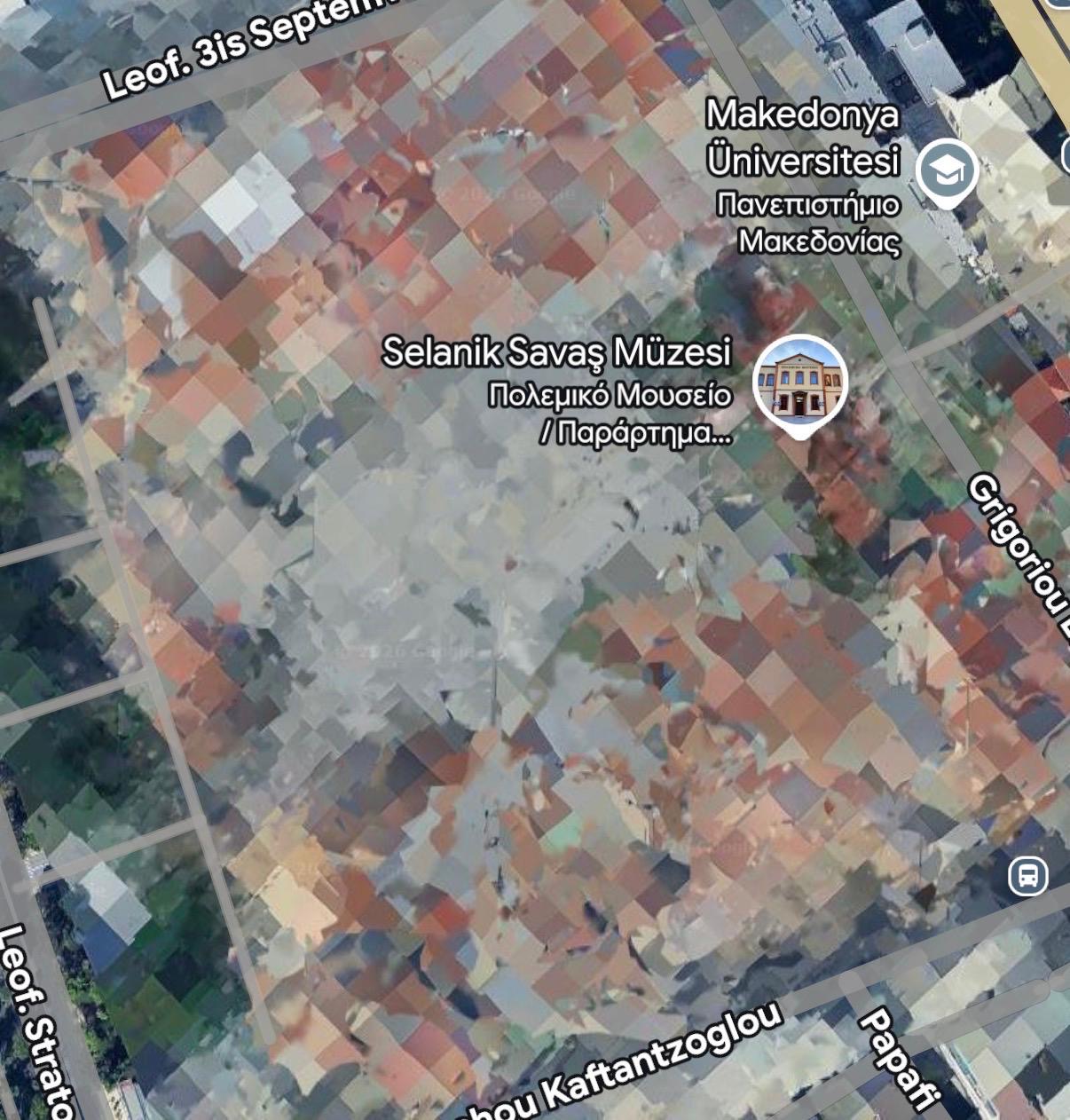
Governments are able to request that Google Maps blur or distort sensitive military areas, with a notable example of such blurring being that the army base and Thessaloniki war museum in central Thessaloniki, in Greece, are not visible on Google Maps.
Former British army officer and current chief executive of intelligence firm Sibylline Justin Crump told The Times that the fact that U-2 aircraft are stationed at Akrotiri is “the worst-kept secret in the Mediterranean”.
He added that the Google Maps imagery of the base and of the U-2 “made it rather more easy than it perhaps should have been” for the strike to be carried out.
Earlier, it had been reported that the drone which hit Cyprus contained a “Russian-made Kometa-B navigation system”, which had first been seen in Russian drones intercepted by Ukrainian air defences in December last year.
The Kometa-B system was developed with the aim of protecting Russian drones from jamming technology, effectively offering a safeguard against Ukrainian-built jamming systems and ensuring that the drones hit their intended targets.
Meanwhile, Russian ambassador in London Andrei Kelin said that his country is “not neutral” in the conflict, and that it is “supportive to Iran”.
Since last Monday’s drone strike, the UK has sought to bolster its defence of its bases on the island, and has to this end sent two AW159 Wildcat helicopters, armed with anti-drone missiles, to Cyprus, while the HMS Dragon Type 45 destroyer warship also expected to depart from Portsmouth within the coming days.
They are to be joined on Tuesday by a Merlin Mk2 utility helicopter.
Last Thursday night, British Prime Minister Sir Keir Starmer also confirmed that Cyprus, and more specifically Akrotiri, has been used as the launchpad for missions aimed at engaging and shooting down drones fired from Iran.
Those operations are being led by F-35 fighter jets, which have been stationed in Cyprus since last month.
With the amount of military hardware on the island and in its vicinity increasing, Starmer had also said that “I want to be really clear to everybody in Cyprus that we’re taking every measure that is needed to protect them, to protect the airbase, along with the other places in the region”.
In addition to military hardware, the UK also sent its Defence Secretary John Healey to the island. He held a meeting with his Cypriot counterpart Vasilis Palmas, before promising that “top experts” had arrived on the island “to help coordinate the air defences”.





Click here to change your cookie preferences