
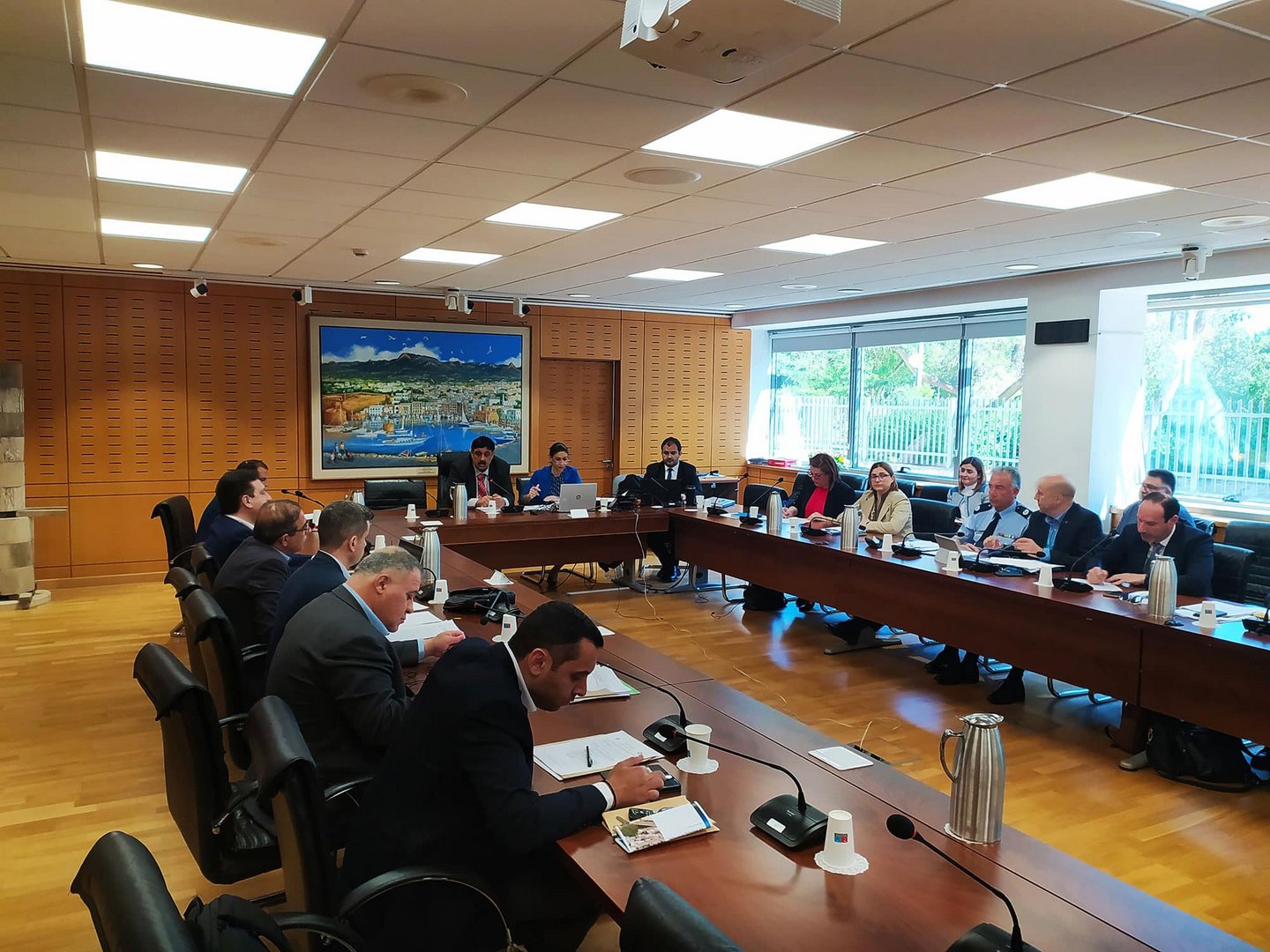
Members of the House education committee expressed strong reactions on Tuesday to a government bill revising student grants, with criticism focusing on the scale of financial support and whether commitments made by the president are being met.
The proposal, presented by finance ministry permanent secretary Andreas Zachariades is expected to cost €10.5 million and aims to expand eligibility by adjusting income criteria.
He said the measures “are what we can provide at this time”, pointing to fiscal constraints.
Despite acknowledging that the expansion of beneficiaries is a positive step, several MPs argued that the increases fall short of expectations.
Disy’s Prodromos Alampritis described the changes as “a step forward, but it is not enough”, stressing the need for support towards middle-income families and households with multiple children in higher education.
Akel MP Christos Christofides was more critical, warning that “we cannot announce specific things and then say ‘sorry, mistake’”, urging the government to deliver the €14 million increase in student support previously outlined by the president.
He added that the effective rise amounts to “three euros per week”, arguing that it does little to address the rising cost of living or the declining purchasing value of student aid.
Pavlos Kalosynatos, representing Peo, suggested linking the allowance to the consumer price index, saying that inflation has eroded support in recent years.
He also highlighted that the number of beneficiaries has fallen as incomes have risen, disproportionately affecting lower income groups.
Representatives of family organisations welcomed the removal of income criteria for households with five or more children but argued that the base allowance remains too low.
Dipa MP Alekos Tryfonidis cautioned that “the issue of families with many children remains a big thorn”, while committee chair Pavlos Mylonas raised the possibility of extending eligibility to families with four children.
Akel MP Andreas Kafkalias linked the current limitations to fiscal decisions, saying “now we are paying the consequences” of earlier policy choices, while calling for a compromise to expand support further.




Click here to change your cookie preferences