
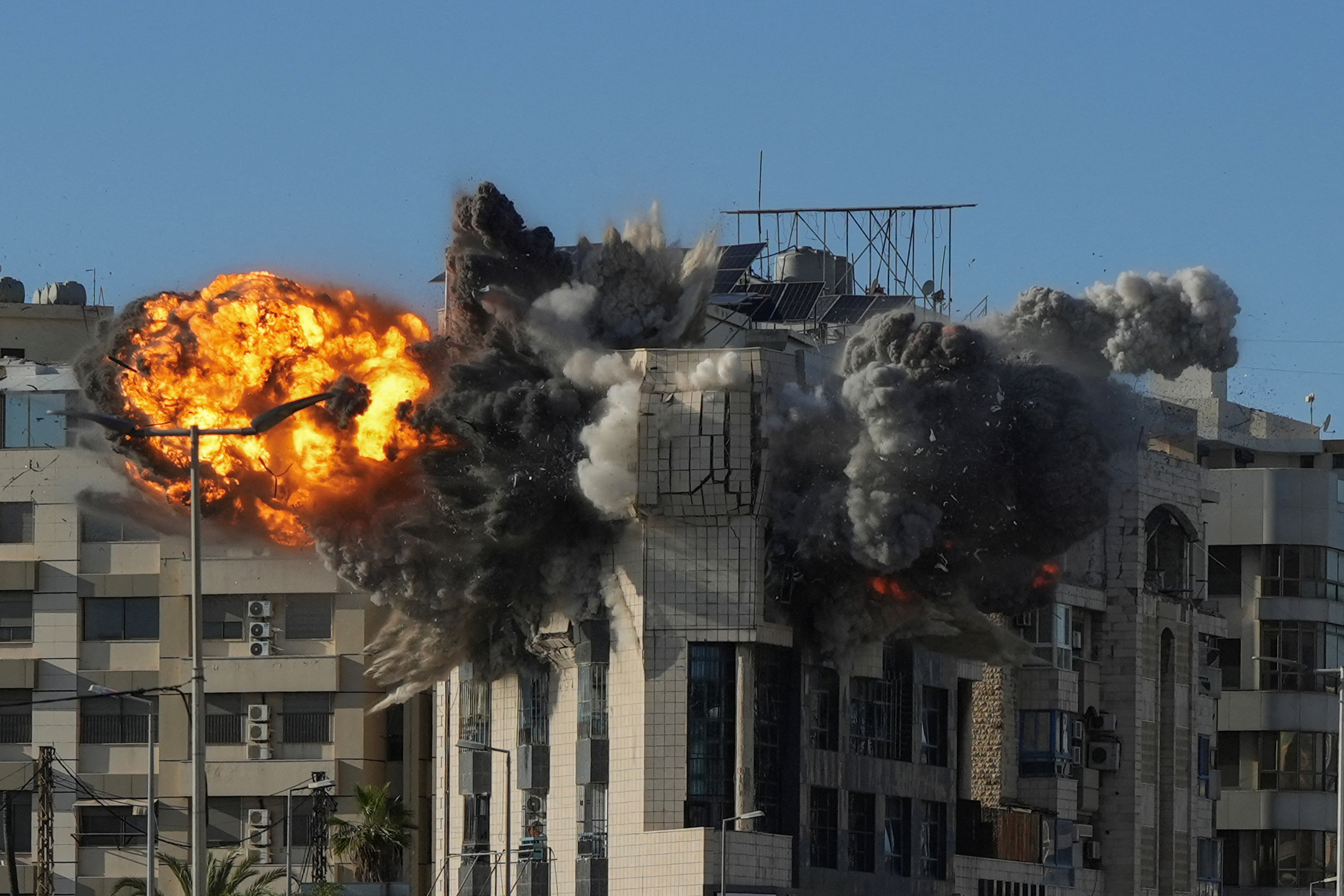
Cypriot Foreign Minister Constantinos Kombos on Tuesday signed a joint declaration of European foreign ministers declaring their “full support for the Lebanese government and people” as the conflict in the Middle East spills across Lebanon’s borders, with Israel advancing its invasion into the south of the country and a million people having been displaced so far.
The statement also called directly on Israel to “refrain from any further escalation of the conflict”.
Kombos signed the statement alongside Belgium’s Maxime Prevot, Croatia’s Gordan Grlic-Radman, France’s Jean-Noel Barrot, Greece’s Giorgos Gerapetritis, Italy’s Antonio Tajani, Malta’s Ian Borg, the Netherlands’ Tom Berendsen, Portugal’s Paulo Rangel, the United Kingdom’s Yvette Cooper, and the European Union’s foreign affairs chief Kaja Kallas.
The 11 signatories said that the people of Lebanon are “once again suffering the dramatic consequences of a war they did not choose” and offered “condolences to the families of the victims”, with more than 1,000 people in Lebanon estimated to have died already since the conflict began in earnest four weeks ago.
The statement also offered solidarity with “the civilian populations affected by this war in both Lebanon and Israel”, before pointing the finger at Lebanese insurgent group Hezbollah, labelling the group as “responsible for the situation”.
“We strongly condemn Hezbollah’s attacks against Israel in support of Iran; they must cease immediately. The priority is to avoid a further escalation of the regional conflict with Iran,” they said.
They then heaped praise on the Lebanese government, which has called for direct negotiations with the Israeli government with the aim of bringing about an end to the conflict, describing that offer as “historic and courageous”.
On this front, they said that “the only way to protect the country from foreign interference is to strengthen Lebanon’s state, institutions, and sovereignty”.
“In this regard, we call for direct political negotiations between Lebanon and Israel, which will help bring a lasting end to this conflict and create conditions for peaceful regional coexistence,” they said.
As such, they offered their “full support for the Lebanese government in its approach to the situation” and said they “encourage it to stay the course by implementing concrete and irreversible measures at all levels to restore its sovereignty over all Lebanese territory, particularly regarding the state monopoly on arms”.
“In this context, we are determined to support the Lebanese armed forces and security forces by actively participating in the international support conference which will be held as soon as condition permit,” they said.
They then called on the Lebanese authorities to “continue adopting the necessary financial and economic reforms” so as to “enable the Lebanese security forces to become, in the long term, the sole independent guarantors of Lebanon’s sovereignty”.
“We call on parties to de-escalate tensions and respect the cessation of hostilities agreement and United Nations security council resolution 1701,” they said.
Resolution 1701, adopted in 2006, stipulates that there be no armed forces in southern Lebanon south of the Litani river other than the UN Interim Force in Lebanon (Unifil) and the Lebanese military.
It calls for the withdrawal of all Israeli forces from Lebanon and the withdrawal of Hezbollah from all areas south of the Litani.
The 11 signatories said on this front that they “call for the protection of the civilian population, humanitarian personnel, peacekeeping personnel, and civilian infrastructure, including airports, ports, and bridges throughout the country, in accordance with international humanitarian law”.
The Israeli military had already destroyed a series of bridges in southern Lebanon last week as part of its offensive in the country.
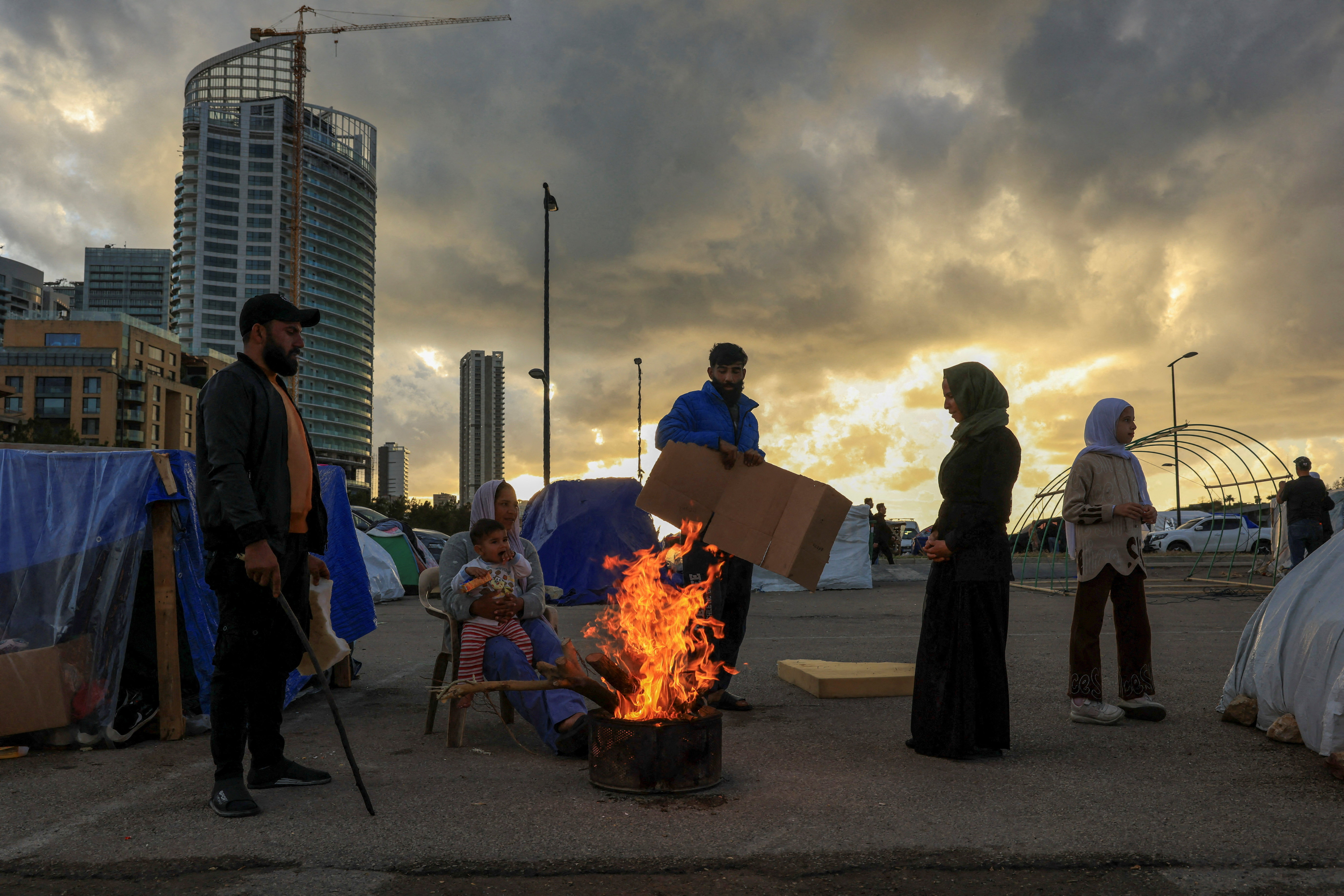
“We reiterate our concerns regarding the forced displacement of more than a million people in Lebanon. We call on Israel to refrain from any further escalation of the conflict, including through a ground operation on Lebanese territory. We firmly reaffirm that the territorial integrity of Lebanon must be respected,” they said.

They added that they “remain committed to continuing our support for the Lebanese government in providing humanitarian assistance to those affected by the conflict, including the more than one million displaced persons, and to preserving Lebanon’s internal cohesion”.
This, they said, will build “on the emergency measures already taken by our respective countries”.
To this end, they said that they “call on the entire international community to contribute to the essential humanitarian efforts to ensure dignified living conditions for the many victims of the conflict”.
Additionally, they said they “reaffirm our strong support for the mandate of [Unifil] in southern Lebanon and call for ensuring that deconfliction channels remain open”.
“We strongly condemn all recent attacks against Unifil units, which have resulted in unacceptable losses of life among peacekeeping personnel in recent days,” they said, with three Unifil peacekeepers having been killed so far this week.
They added, “we demand that all parties, under all circumstances, guarantee the safety and security of Unifil personnel and facilities, in accordance with international law”.
“We commend the remarkable work carried out by Unifil under these difficult conditions,” they said.
The statement comes after Israeli Foreign Minister Israel Katz had said earlier in the day that his country intends to invade as far as the Litani river and occupy the territory indefinitely, adding that all houses in Lebanese villages near the Israeli border will be “destroyed”.
Israel and Lebanon have not engaged in direct negotiations of this nature since Israel invaded southern Lebanon in 1982.



Click here to change your cookie preferences