
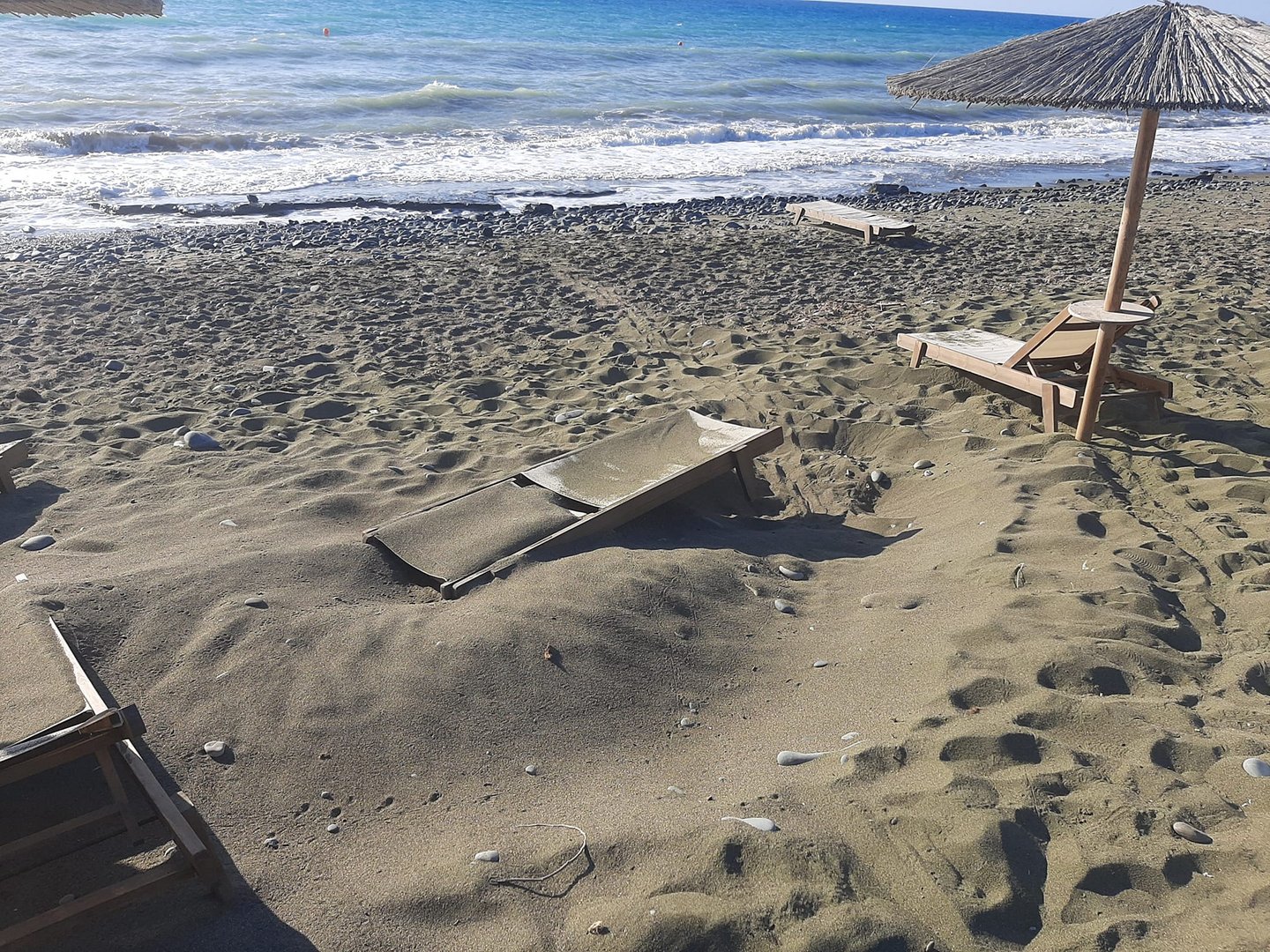
New regulations imposing fines of up to €20,000 and possible imprisonment of up to one year for offences involving protected marine species came into force on Tuesday, as authorities mov;’e to strengthen environmental protections.
The measures, introduced under the fisheries amendment regulations of 2026, were approved by parliament and published in the official gazette on March 20.
According to the fisheries department, violations of the regulations constitute a criminal offence, with penalties including financial sanctions and custodial sentences.
The framework aims to reinforce the protection of marine biodiversity by introducing clear restrictions on human activity affecting wildlife and sensitive coastal areas.
Central to the regulations is a prohibition on harassing or feeding protected species, as well as any action that disrupts their natural behaviour.
Particular emphasis is placed on dolphins, whales and the European eel, (Anguilla anguilla), all of which are explicitly listed under the strengthened protections.
Additional safeguards apply to sea turtles, with strict bans on the destruction, disturbance or relocation of nests and eggs.
Authorities have further barred the use of vehicles on nesting beaches and in designated protected zones, citing risks to vulnerable habitats.
Targeted seasonal and geographic restrictions have also been introduced.
At Limnis beach, the placement of beds, umbrellas, caravans, tents or similar structures is prohibited between May 15 and September 30.
Access to sea caves located within marine protected areas established for the conservation of the Mediterranean monk seal is now strictly regulated.
Entry is permitted only with a special licence issued by the departmental director.
The regulations also reinforce broader environmental protections, including a complete ban on the disposal of waste into the sea from either land or vessels.
Authorities have warned that such practices will be treated as violations under the new legal framework.
In its announcement, the department stated that protecting the marine environment is “a collective responsibility” and called on the public to comply fully with the new rules.





Click here to change your cookie preferences