
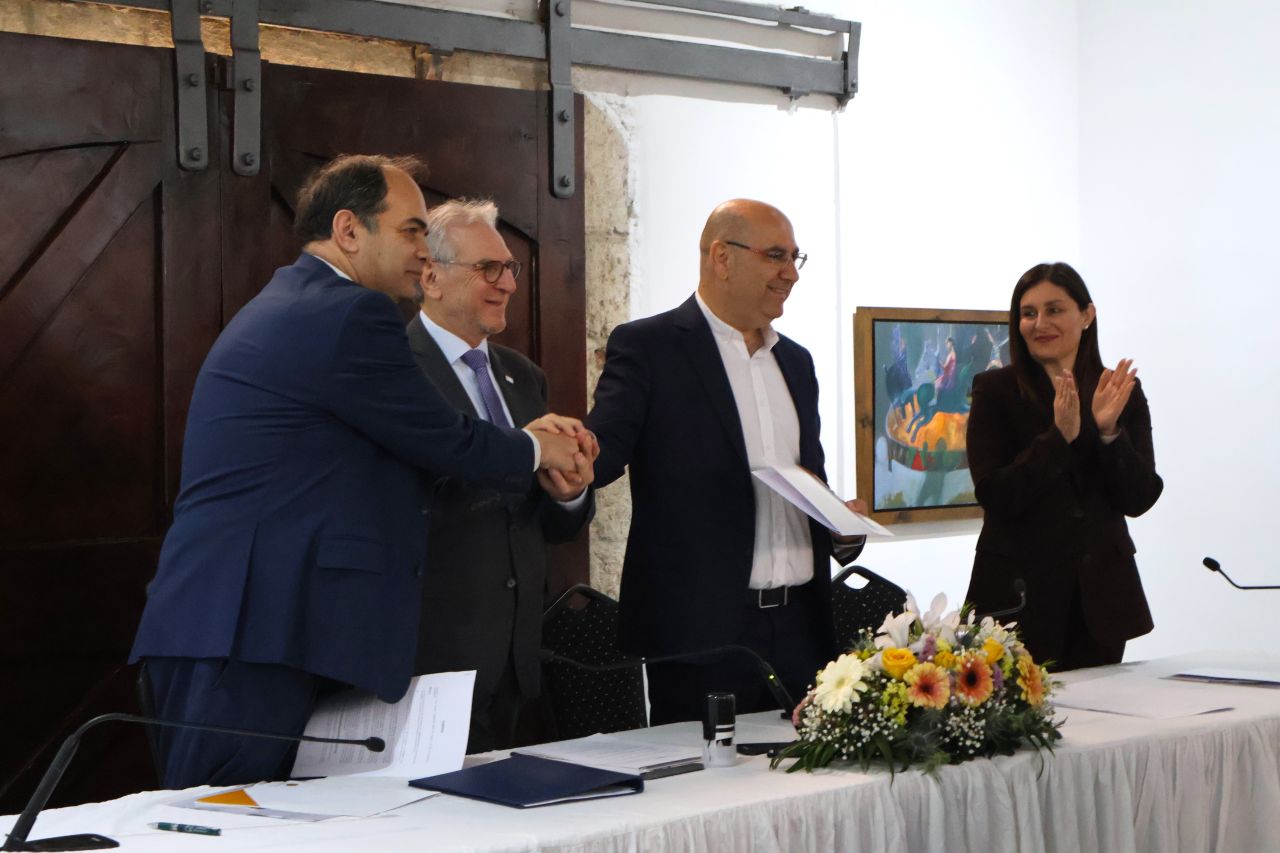
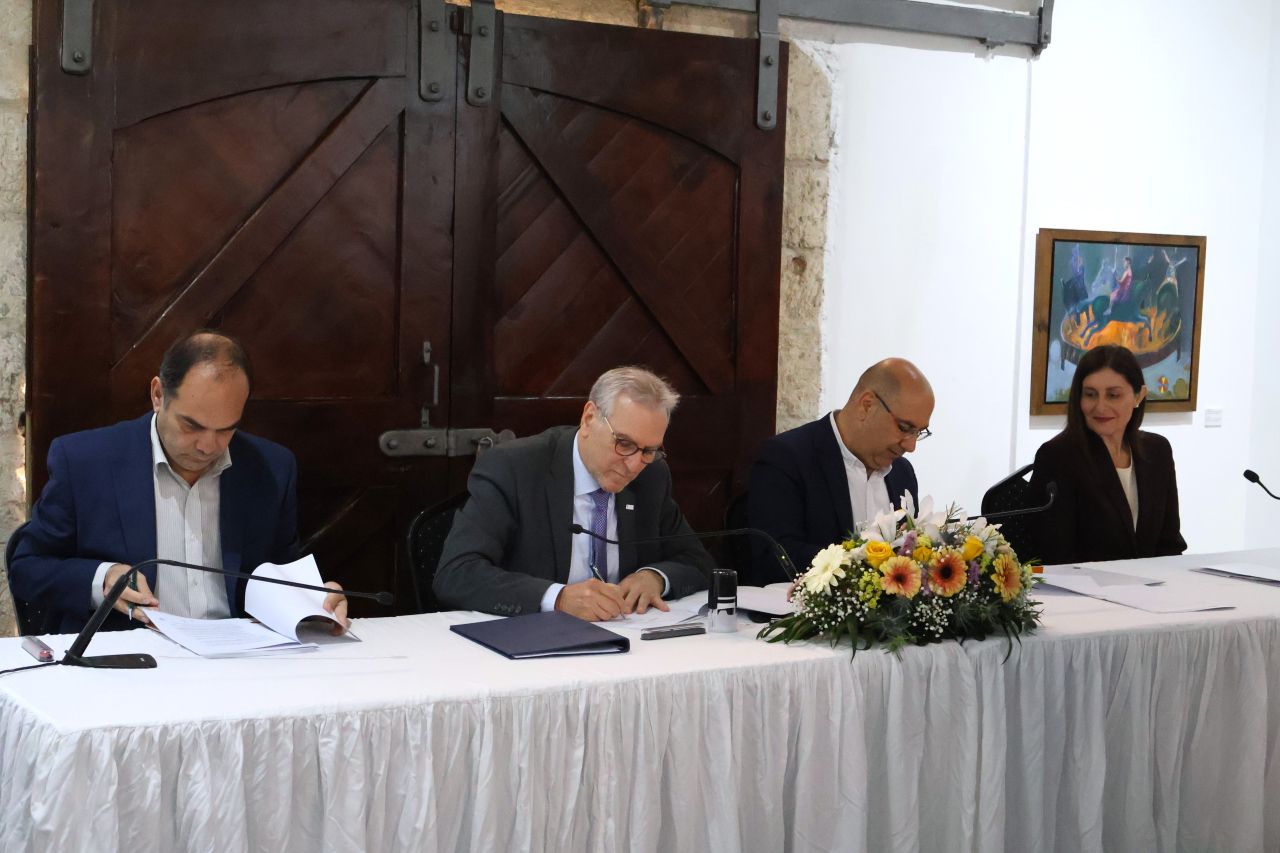
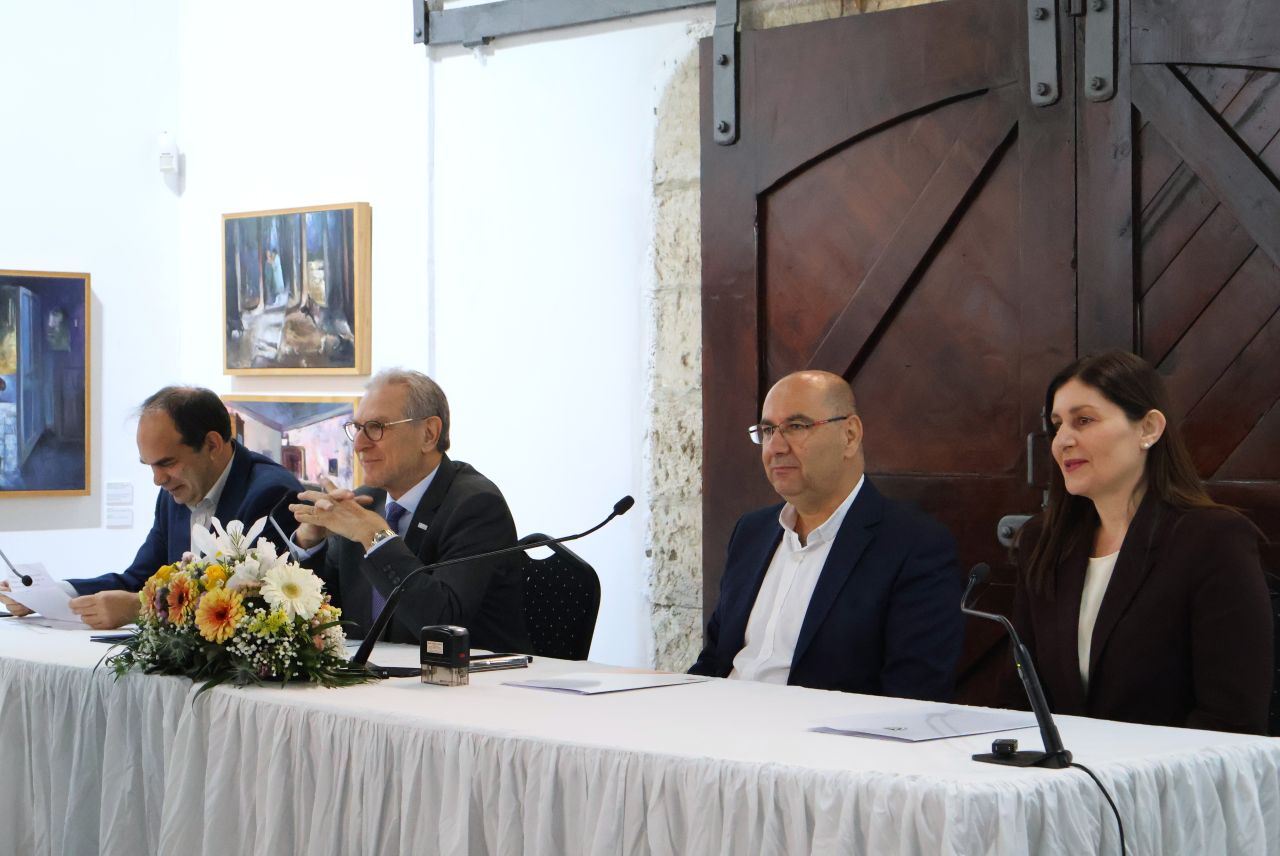
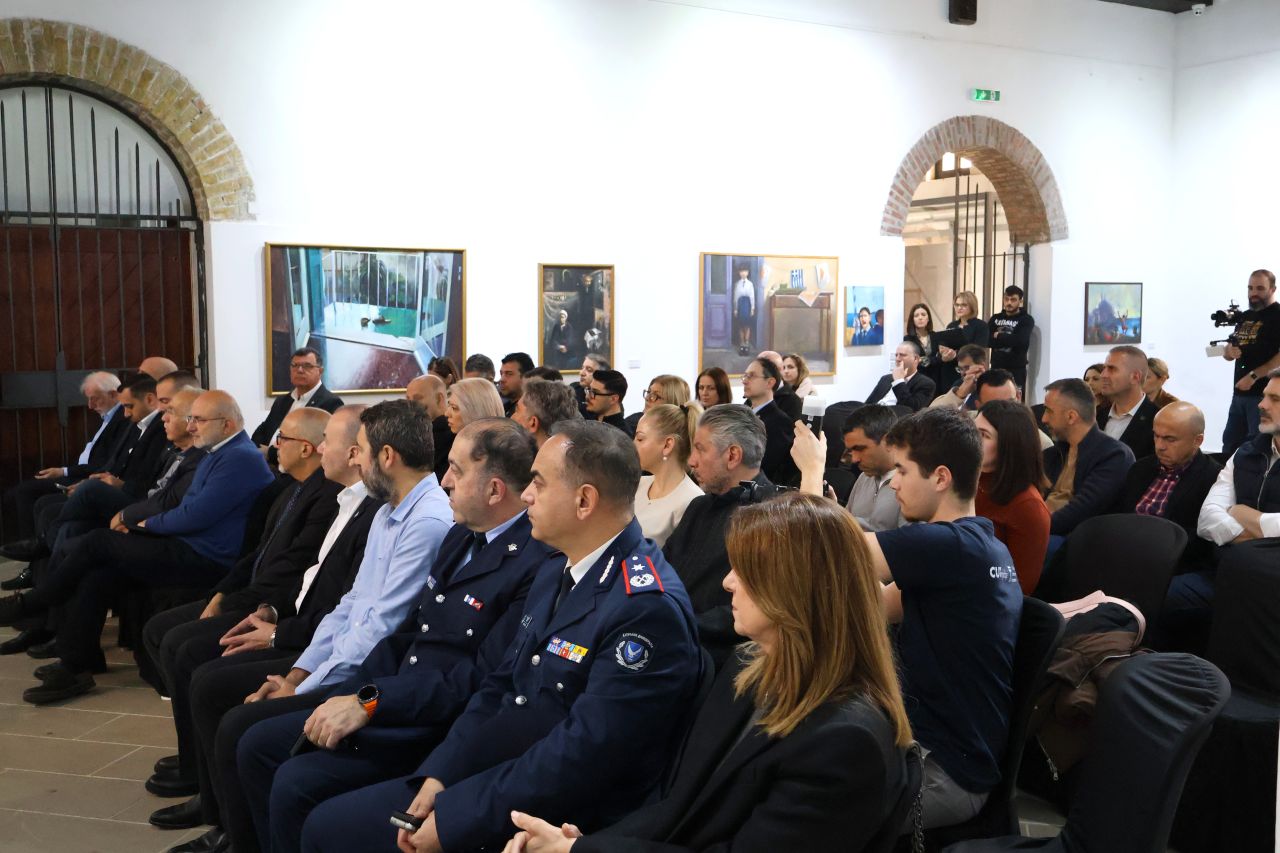
Officials signed an agreement on Thursday to construct a new building for the Cyprus University of Technology (Tepak) in Larnaca.
The project will house the School of Marine Sciences, Technology and Sustainable Development, with the campus set to open in autumn 2028 and accommodate approximately 500 students.
The project concerns the development of a 4,960-square-metre complex of closed and covered areas on a plot near the Mackenzie parking area, at an estimated cost of €11.9 million plus VAT.
The facilities will include amphitheatres, classrooms, conference and meeting rooms, staff and student offices, specialised laboratories, as well as advanced IT infrastructure and distance learning support.
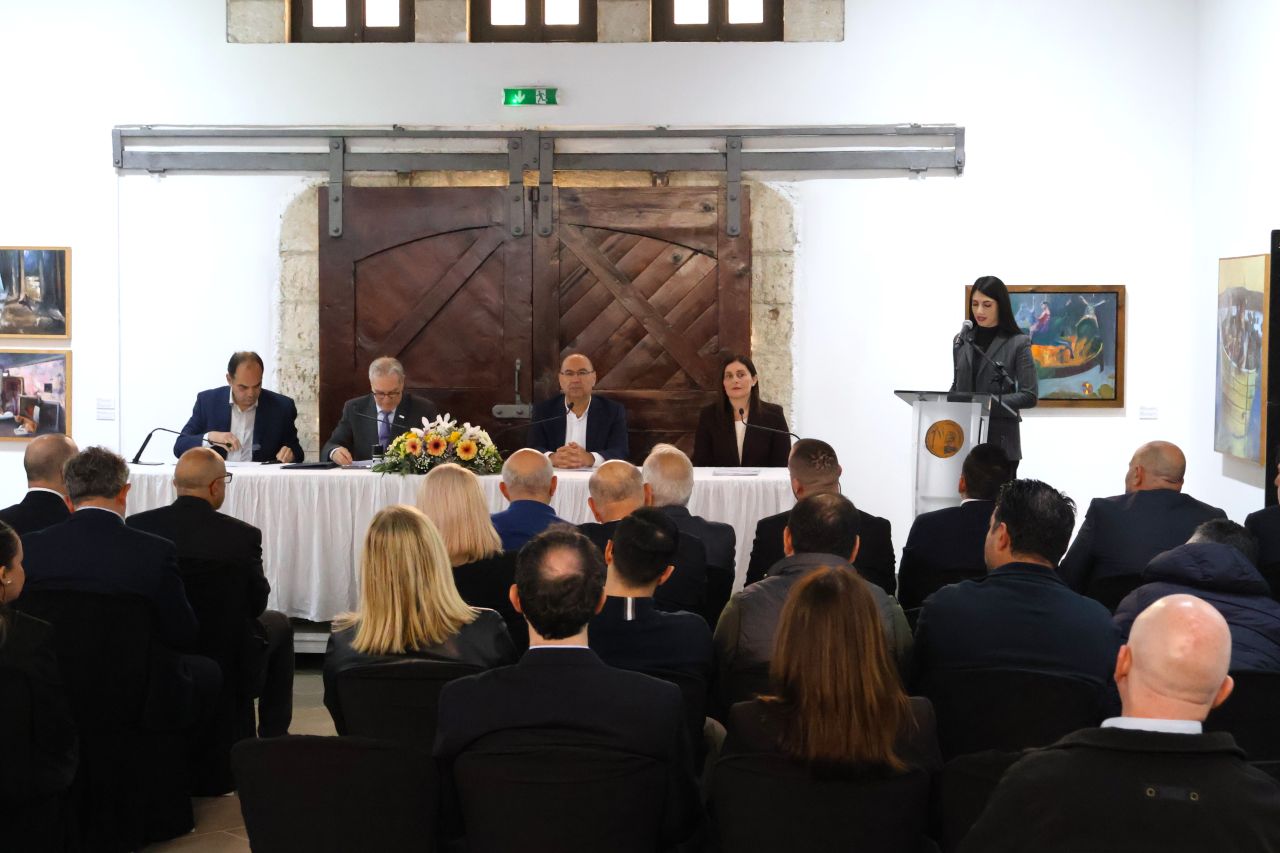
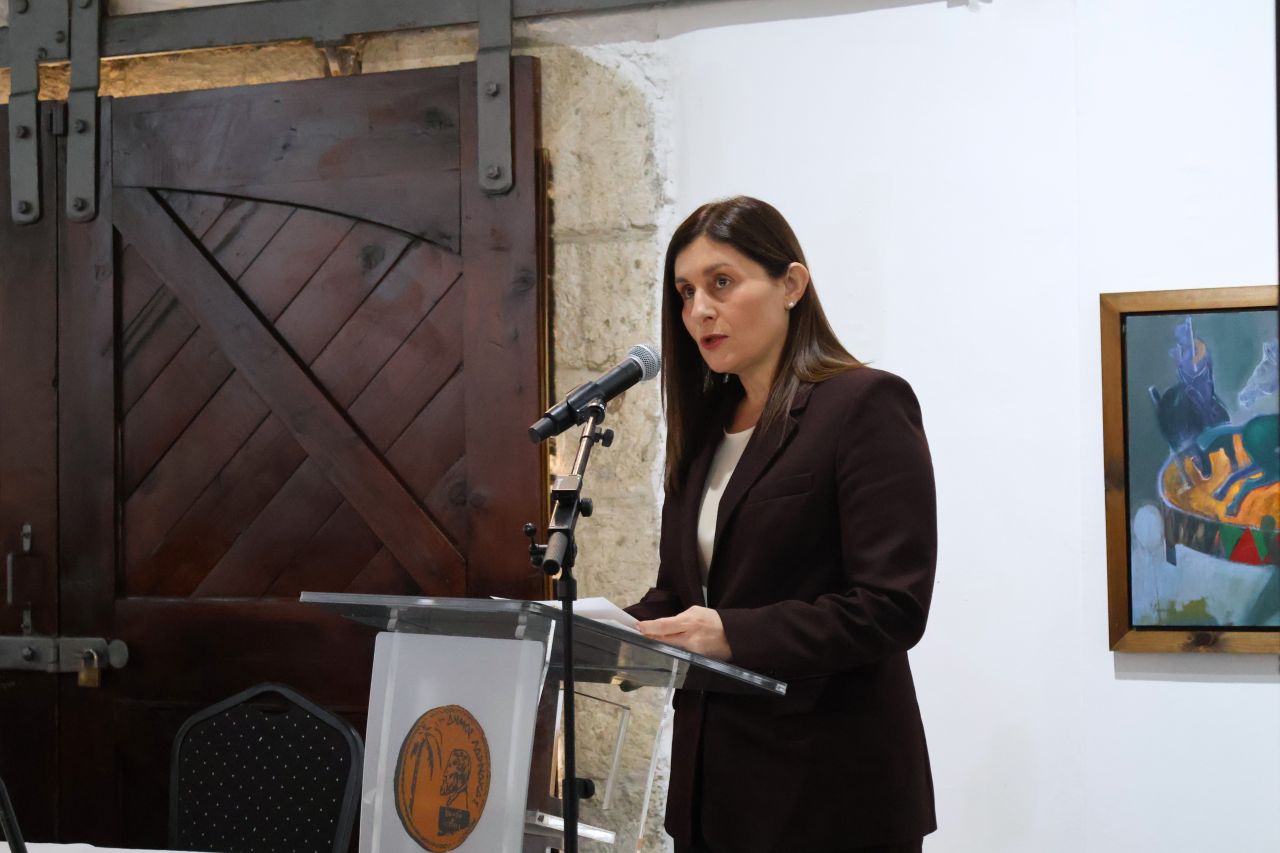
In a message read out during the signing ceremony by Deputy Shipping Minister Marina Hadjimanolis, President Nikos Christodoulides said the agreement marked the transition “from planning to implementation” of the government’s vision to strengthen and modernise higher education, while also promoting Cyprus as a regional and international centre for education and research.
He said the investment takes on added significance at a time when the wider Middle East is facing serious geopolitical turmoil, noting that “the need for stable pillars of knowledge, cooperation and peaceful coexistence becomes even more evident”.
Christodoulides added that Cyprus, because of its strategic position at the crossroads of three continents and its strong ties both with the European Union and countries in the region, has the potential to act as a bridge of stability, dialogue and scientific cooperation.
In that context, he said investment in higher education, particularly in areas such as marine sciences, technology and sustainable development, takes on even greater importance, as it is directly linked to energy security, the protection of marine resources and environmental management.
For Cyprus, a country whose history, economy and culture are closely tied to the sea, emphasis on maritime knowledge is “not simply a development choice, but a strategic necessity”, the president said.
He added that it “carries multiplier benefits and strengthens the island’s geopolitical role as a reliable partner and regional hub of stability and innovation”.
He also said the establishment of the school in Larnaca was the result of coordinated efforts by the government, the House of Representatives, Larnaca municipality and Tepak, while the approval of the relevant amending legislation and university regulations confirms “our common will to invest substantially in knowledge, research, innovation and sustainable development”.
Referring to Tepak, Christodoulides said the university “has proven its dynamism and extroversion over time”, offering quality education and contributing actively to the production and dissemination of knowledge.
He added that the university’s expansion into Larnaca would open new prospects for cooperation with international research centres and organisations.
At the same time, he said the new school is expected to act as a catalyst for the city’s economic, social and cultural revitalisation, attracting students, researchers and investment.
“In this way the local economy is strengthened, new jobs are created and the quality of life of citizens is upgraded,” he said.
Christodoulides added that the state, recognising the strategic importance of the project, has undertaken its full support and secured the necessary funding for the construction of the school, describing the investment as a practical demonstration of the priority attached to higher education, research and innovation as pillars of sustainable development and competitiveness.
Tepak rector Panayiotis Zafeiris said the university’s recent agreement with the state, approved at the end of last year, provides for the establishment in Larnaca of a new school with two academic departments, which are the Department of Marine Sciences and Technology and the Department of Sustainable Development.
“These sectors are not only topical, but constitute strategic pillars for the future of Cyprus,” he said, linking them directly to competitiveness, environmental protection and the shaping of a resilient and innovative production model.
He added that the establishment of the school in Larnaca is intended to contribute substantially to the scientific upgrading of these sectors, strengthen research and innovation, and connect education more closely with labour market needs.
Zafeiris added that “in their full development, all the programs of the new School of Marine Sciences, Technology and Sustainable Development are expected to create a dynamic student population in Larnaca of around 500 male and female students“.
Tepak council president Andreas Karakatsanis said the signing of the agreement was “tangible proof of our shared commitment” to creating a body of knowledge that will place the sea at the centre of innovation, development and sustainability.
He added that Larnaca, given its close ties to the sea and the salt lakes, is the ideal location for the school. He said the project is not just about new infrastructure, but part of a broader vision to turn Cyprus into an international reference point in marine sciences, smart shipping, advanced technology and sustainable development.
“The new school will constitute a hub of interdisciplinary research and education,” he said, combining academic excellence with the modern needs of society and the economy.
“Our goal is to attract top scientists, create pioneering study programs and act as a catalyst for new investments, innovative businesses and highly specialized jobs in the local community,” Karakatsanis added.
Larnaca mayor Andreas Vyras described the day as “significant and a historic moment” for the city, saying it seals years of effort, demands and perseverance and proves that, when there is vision, cooperation and faith, even the most ambitious goals can become reality.
He said the agreement marks a decisive step for the city’s future, describing the project as Larnaca’s first public university school and “a strategic investment in knowledge, innovation and, above all, in our young people”.
Larnaca, he added, is changing and, with a clear plan and direction, is evolving into a modern student city and a dynamic centre for education, research and development.
“The new school will become a pillar of excellence and innovation,” Vyras said.
He added that it is “expected to leave a direct imprint on the economy, society and sustainable development of the wider area, while also strengthening Cyprus as a regional and international centre of maritime knowledge and expertise”.




Click here to change your cookie preferences